




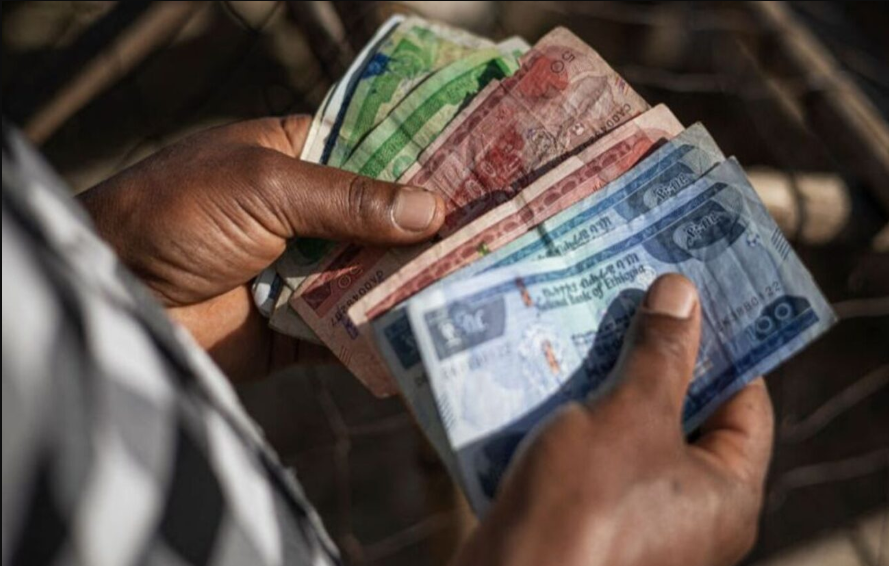
Ethiopia to Print Its Own Birr by 2030 – A Bold Step Toward Economic Sovereignty
Published: June 20 2026
Focus Keyword
Ethiopia domestic currency printing
Why Ethiopia Is Shifting Currency Production Home
Addis Ababa – After years of outsourcing banknote production to foreign printers, Ethiopia has announced an ambitious plan to manufacture the Ethiopian Birr entirely within its borders by the end of the decade. The move is designed to cut the roughly US $100 million a year spent on overseas printing, preserve foreign‑exchange reserves, and build a new high‑tech industrial sector.
The Current Situation
- Outsourced printing: For decades Ethiopia’s banknotes have been printed by a UK‑based security‑printing firm, a practice that guarantees sophisticated anti‑counterfeit features but creates a hefty recurring expense.
- Financial strain: Government estimates place the annual cost of foreign printing at about $100 million, a sum that has become harder to justify as the nation seeks to protect its dwindling foreign‑exchange buffers.
The Government’s Response
Through Ethiopian Investment Holdings (EIH), the government will launch a dedicated project to build a state‑of‑the‑art printing complex. The goal is clear: full domestic production of the Birr by 2030. Prime Minister Abiy Ahmed has framed the initiative as a cornerstone of Ethiopia’s broader push for economic self‑reliance and tighter control over critical financial infrastructure.
Benefits of Local Banknote Production
| Benefit | How It Helps Ethiopia |
|---|---|
| Cost savings | Eliminates the $100 million annual outsourcing fee, freeing up foreign exchange for other priorities. |
| Supply‑chain control | Enables faster response to monetary‑policy changes and emergency cash needs. |
| Job creation | Generates skilled positions in printing technology, security features, and facility management. |
| Technology transfer | Encourages partnerships with global security‑printer firms for knowledge sharing and local expertise. |
| National pride | Positions the Birr as a true symbol of state authority and independence. |
The Regional Context: Africa’s Move Toward Self‑Sufficiency
Ethiopia is not alone. More than 40 African nations still rely on European printers—mainly in the United Kingdom, Germany and France—for their banknotes. However, a growing chorus of policymakers is championing localisation of strategic services.
- Nigeria announced a pilot plant for polymer notes in 2023.
- Kenya has begun a feasibility study on indigenous note printing.
- Ghana recently signed a memorandum of understanding with a regional tech hub to explore secure printing capabilities.
These trends signal a continent‑wide push for economic autonomy and reduced exposure to external supply‑chain shocks.
Challenges and Investment Requirements
Launching a secure printing facility is capital‑intensive. Ethiopia will need to:
- Secure advanced printing equipment capable of embedding holograms, watermarks, and other anti‑counterfeit features.
- Develop a skilled workforce through training programs and partnerships with established security printers.
- Build robust security protocols to protect the plant from sabotage and cyber threats.
The government has pledged a multi‑year investment package, supplemented by private‑sector participation through EIH. Early feasibility studies suggest that, despite the upfront cost, the long‑term savings and strategic benefits outweigh the expenditure.
What This Means for the Ethiopian Economy
- Stronger monetary policy tools: With domestic production, the Central Bank can adjust cash supplies more swiftly, aiding inflation control.
- Improved foreign‑exchange position: Savings on printing fees will bolster reserves, supporting import financing and debt servicing.
- Industrial diversification: The printing complex will act as a catalyst for related sectors such as electronics, materials science, and cybersecurity.
Frequently Asked Questions
Q1: When will the first domestically printed Birr notes enter circulation?
A: Pilot runs are expected to begin in 2027, with full commercial production slated for 2030.
Q2: Will Ethiopia still use foreign security expertise?
A: Yes. The plan includes technology transfer agreements with leading global printers to ensure the Birr meets international security standards.
Q3: How will this affect the price of banknotes for the public?
A: Costs are expected to remain stable; the primary benefit will be the reduction of the government’s out‑of‑pocket expenses.
Conclusion
Ethiopia’s decision to bring currency printing home marks a pivotal step toward financial independence and industrial modernization. By the end of the decade, the nation hopes to join a select group of African countries capable of producing their own banknotes, setting a benchmark for others seeking to reclaim control over vital economic assets.
Related Articles
- How Africa Is Redefining Economic Sovereignty
- The Future of Security Printing: Trends and Technologies
- Understanding Ethiopia’s Recent Economic Reforms
Keywords: Ethiopia domestic currency printing, Ethiopian Birr, local banknote production, economic sovereignty, foreign exchange savings, security printing Africa
