




Egyptian Airstrike on Sudanese Gold‑Mining Sites: What It Means for the Nile Basin Power Balance
Published: 18 June 2026
Overview
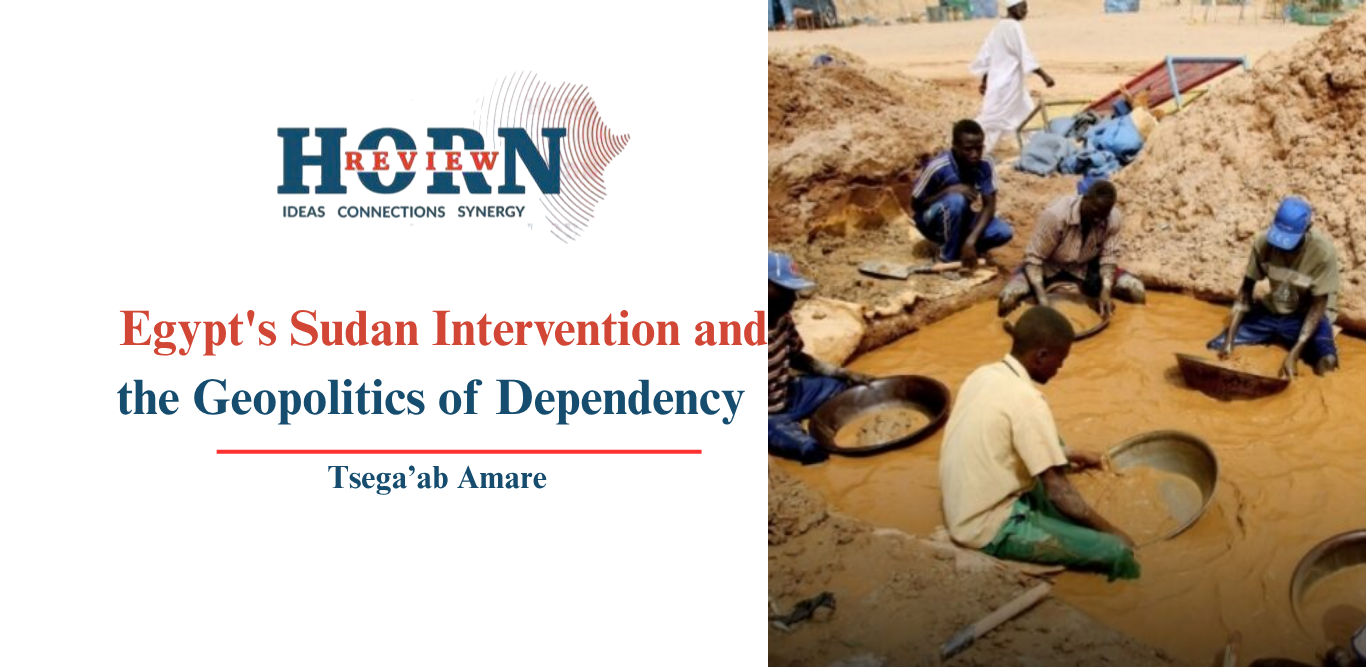
On 16 June 2026, aircraft attributed to the Egyptian Air Force bombed artisanal gold‑mining camps in the Jabal al‑Uqaydat region of Sudan’s River Nile State, close to the Egyptian border. The attack left at least 30 dead and over 80 injured. Survivors were rushed by truck to Al‑Ansari market in Abu Hamad and later transferred to hospitals in Atbara, according to eyewitness Ahmed Mustafa (Darfur24).
The strike sparked a mass flight from nearby mining locations such as Jabal al‑Ahmar and Jabal al‑Abyad. No group claimed responsibility and the Egyptian government has not issued a statement. While the perpetrator remains officially unconfirmed, the incident fits a growing pattern of Egyptian military activity along Sudan’s northern frontier and reflects deeper strategic calculations tied to the Nile Basin.
H2: Recent Egyptian Military Actions in Sudan
- 2025‑2026 aerial operations – Egyptian jets and drones have been reported in strike missions in June, October and November 2025, and on 9 January 2026 against weapons convoys moving between Kufrah airbase and Darfur (New York Times).
- Stated goal – Cairo frames these missions as efforts to block UAE‑supplied arms to the Rapid Support Forces (RSF) and to prevent external interference in Sudan’s civil war.
- Broader implication – The recurring flights demonstrate an expanding Egyptian footprint inside Sudanese territory, extending beyond conventional border‑security concerns.
H2: Historical Context – Egypt’s Long‑Standing Presence on the Sudanese Border
H3: Earlier Clashes Over Artisanal Mining
Artisanal miners near the El‑Uwaynat tripoint have previously accused Egyptian troops of attacking them on Sudanese soil, allegedly protecting an Egyptian mining company (Dar Banga Sudan). Those miners paid fees to the Sudanese Mineral Resources Company and appealed for state protection, highlighting a pattern of military‑backed resource extraction.
H3: The Halaib Triangle Dispute
The Halaib Triangle (Wikipedia) sits at the heart of Egypt’s border policy. The 1899 Anglo‑Egyptian Condominium set the political line at the 22nd parallel, placing Halaib within Sudan, while the 1902 administrative arrangement gave Egypt authority over local affairs. In 2012, Egypt created the Shalatin Company for Mineral Resources, a joint‑stock firm 34 % owned by the military’s National Service Projects Organization (NSPO). The company is tasked with mining between latitudes 22° N and 24° N – an area that includes the contested triangle and its resource‑rich maritime zone.
H2: Why Sudan Is Central to Egypt’s Regional Strategy
H3: The Nile‑Basin Power Equation
For most of the 20th century, Egypt enjoyed hydro‑political dominance thanks to colonial‑era treaties:
- 1929 Anglo‑Egyptian Treaty – gave Egypt a veto over upstream projects.
- 1959 Nile Waters Agreement – allocated 55.5 billion m³ of water per year to Egypt and 18.5 billion m³ to Sudan, ignoring the rights of upstream states that contribute >85 % of the river’s flow.
Ethiopia, never a party to those accords, rejected them as illegitimate colonial impositions, a stance backed by international law that forbids binding third parties to agreements they did not sign.
H3: The Grand Ethiopian Renaissance Dam (GERD)
The GERD was inaugurated in September 2025 (Ethiopia Ministry of Foreign Affairs). Its operation transformed the dispute from “can the dam be stopped?” to “how can Egypt retain influence in a Nile basin now shaped by Ethiopian water‑power?”.
Beyond hydropower, the dam enables Ethiopia to export electricity, forge regional economic ties, and wield soft‑power influence. For Egypt, the stakes now extend beyond water to the re‑distribution of geopolitical leverage across East Africa.
H3: Egypt’s Alliance with the Sudanese Armed Forces (SAF)
Since the outbreak of Sudan’s civil war, Cairo has become one of the SAF’s main military and diplomatic backers. This partnership curtails Khartoum’s freedom to pursue independent policies—particularly those affecting Egypt’s Nile interests.
- Sudan has publicly echoed Egypt’s stance on the GERD, but internal reports reveal a hostage‑like dependence rather than genuine policy alignment.
- The SAF‑aligned Sudanese government offers Egypt a stable foothold on the Nile’s southern flank, essential as Cairo’s traditional leverage erodes.
H2: Economic Gains – Gold, Agriculture, and Trade
Investigations by Sudan Peace Tracker suggest that gold extracted from Sudanese territory—including contested border zones—has been funneled into Egypt’s Central Bank reserves throughout the conflict.
- Sudanese agricultural and livestock exports are also channeled through Egyptian‑linked companies at depressed prices, creating a one‑way flow of resources from a war‑torn Sudan to a relatively stable Egypt.
These economic streams do not require Egypt to have orchestrated the war; a weakened, fragmented Sudan is simply more willing to accept asymmetric trade terms and resource‑extraction agreements that benefit Cairo.
H2: Humanitarian Impact of Border Strikes
Artisanal gold mining has become a survival strategy for displaced Sudanese, especially after the war uprooted millions. Military actions—such as the Jabal al‑Uqaydat airstrike—compound existing socioeconomic instability:
- Casualties and mass displacement from mining sites erode livelihoods.
- The attacks underscore how security operations and resource extraction are increasingly interwoven in Egypt’s border policy.
H2: Conclusions – Is Egypt Managing a Crisis or Shaping One?
Egypt’s involvement in northern Sudan is driven by three intertwined motives:
- Border security – preventing spill‑over of armed groups.
- Geopolitical leverage – keeping a SAF‑friendly Sudan as a strategic ally in the Nile‑Basin power balance.
- Economic advantage – accessing gold, agricultural products, and labor from a destabilized neighbor.
The Jabal al‑Uqaydat airstrike illustrates how these objectives overlap, producing humanitarian costs while reinforcing Egypt’s dependence on a weakened Sudan. As the GERD reshapes regional water politics, Cairo’s calculation appears to be that a politically constrained, economically dependent Sudan best serves Egypt’s long‑term strategic interests.
Key Takeaways
- The 16 June 2026 airstrike is part of a broader Egyptian military pattern in Sudan’s northern border zone.
- Historical disputes over the Halaib Triangle and the creation of the Shalatin mining company reveal a long‑standing link between security and resource extraction.
- Egypt’s partnership with the SAF secures a strategic foothold in the Nile Basin as the GERD shifts regional power toward Ethiopia.
- Economic flows of gold and agricultural goods from Sudan to Egypt illustrate how the conflict creates mutual dependencies that favor Cairo.
For further reading on the Nile‑Basin dynamics, see the New York Times coverage of Egyptian drones in Sudan (February 2025) and the Ethiopia Ministry of Foreign Affairs announcement of the GERD inauguration (August 2025).
