




Title: How the Red Sea Conflict Threatens Ethiopia’s Access to the Sea – and What It Means for the Horn of Africa
Focus Keyword: Ethiopia sea access
H1: Ethiopia’s Struggle for Sea Access Amid Red‑Sea Militarisation
The escalating war in the Middle East is turning the Strait of Hormuz, the Bab el‑Mandeb Strait, and the Red Sea corridor into a single, highly contested maritime front. If the Bab el‑Mandeb were to be closed, the Red Sea—already a hotspot for naval deployments—could become a maritime battleground that endangers Ethiopia’s only viable route to global trade.
Source: International Crisis Group – Red Sea Security
H2: Why the Red Sea Corridor Is Critical for Ethiopia
- Single Trade Lifeline: Ethiopia, a land‑locked nation since Eritrea’s independence, depends on the Port of Djibouti and other Horn ports for over 95 % of its imports and exports.
- Economic Stakes: Disruption would shave billions of dollars off Ethiopia’s GDP and jeopardise projects such as the Grand Ethiopian Renaissance Dam (GERD) and regional energy corridors.
- Strategic Vulnerability: Any prolonged closure of the Bab el‑Mandeb or heightened naval presence could turn the corridor into a de‑facto siege, isolating Addis Ababa from world markets.
H2: Egypt’s Expanding Footprint in the Horn of Africa
H3: From Arab National Security to Horn‑of‑Africa Security
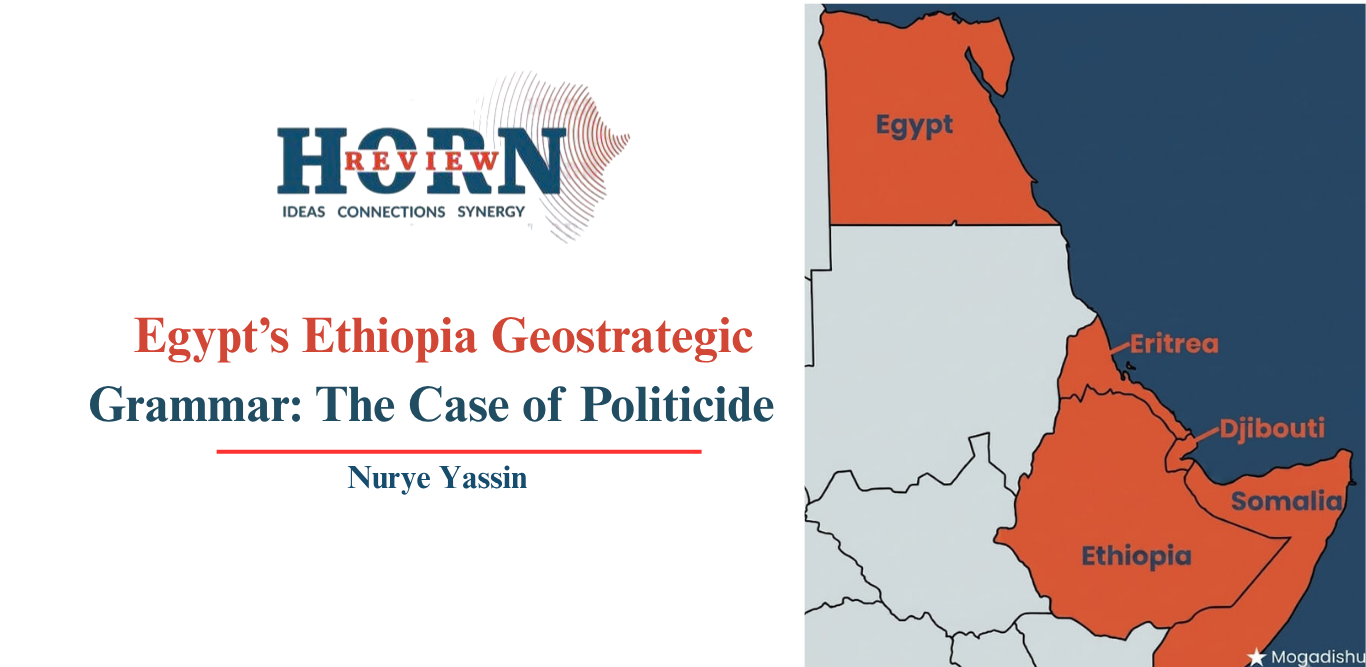
Egypt is repurposing its doctrine of Arab National Security to claim the Horn of Africa as an extension of its own security perimeter. By positioning itself as the “guardian” of littoral states, Cairo seeks to create an anti‑Ethiopian bloc that limits Addis Ababa’s maritime ambitions.
Read more: Al Jazeera – Egypt’s Red Sea Strategy
H3: Naval Bases, Port Projects, and the Red Sea Council
- Commercial & Naval Infrastructure: Egypt has signed agreements to build ports and logistics hubs in Djibouti, Somalia, and Eritrea, simultaneously deploying warships to patrol the African side of the Red Sea.
- Red Sea Council Initiative: A proposed “closed” maritime governance body that excludes non‑littoral powers, effectively sidelining Ethiopia from any decision‑making about Red Sea traffic.
Source: Jane’s Defence – Egypt’s Red Sea Deployments
H2: Eritrea – Cairo’s Key Partner on the Horn
Eritrea’s strategic alignment with Egypt is central to the “Egypt‑Eritrea axis.”
- Historical Links: Egypt occupied Massawa (1865‑1885) as a staging ground for campaigns against Ethiopia, and later backed the Eritrean Liberation Front (ELF) and Eritrean People’s Liberation Front (EPLF) to keep Ethiopia land‑locked.
- Modern Cooperation: The two countries cooperate on port development, intelligence sharing, and joint naval patrols that monitor Ethiopian maritime shipments.
Further reading: BBC – Eritrea’s Foreign Policy Shifts
H2: The Politicide Narrative – Egypt’s Long‑Term Goal
Egyptian policy has consistently aimed to neutralise Ethiopia’s strategic depth by:
- Controlling the Blue Nile (Tiqur Abbay) – limiting Ethiopia’s water resources.
- Blocking Sea Access – using diplomatic pressure and military presence to keep Ethiopia land‑locked.
- Promoting Arabisation – pushing Horn states into the Arab League to create an ideological bloc hostile to Ethiopian interests.
These ambitions date back to the Fatimid, Mamluk, Ottoman, and British eras and have been reiterated by successive Egyptian regimes up to President Abdel‑Fattah al‑Sisi.
Source: The Diplomat – Egypt’s Nile Policy Over the Centuries
H2: Ethiopia’s Counter‑Strategy: “Afrabia” and Diplomatic Engagement
Premier Abiy Ahmed promotes a new geopolitical construct called “Afrabia,” a partnership that blends African and Arab economies, cultures, and political frameworks.
- Economic Integration: Leveraging Ethiopia’s manufacturing base and the Horn’s port infrastructure to create a trans‑regional trade corridor that bypasses Egyptian control.
- Multilateral Diplomacy: Actively participating in the IGAD Red Sea Task Force and the African Union’s Blue Nile Initiative to secure equitable water use and maritime rights.
- Self‑Reliance: Investing in indigenous defence capabilities, renewable energy, and digital infrastructure to reduce dependence on hostile neighbours.
Learn more: African Union – Blue Nile Initiative
H2: What the International Community Can Do
- Uphold International Law: Reinforce the United Nations Convention on the Law of the Sea (UNCLOS) to guarantee Ethiopia’s right to “peaceful and equitable access” to the sea.
- Mediated Dialogue: Support neutral mediation—potentially through the European Union or UN‑mediated forums—to address Egypt‑Ethiopia water disputes and Red Sea security concerns.
- Balanced Investment: Encourage private and public investment in multilateral port projects (e.g., a joint Ethiopia‑Djibouti‑Somalia hub) that are not exclusively tied to Egyptian interests.
Reference: UNCTAD – Maritime Trade and Development
H2: Bottom Line – Ethiopia’s Sea Access Is a Regional Flashpoint
The confluence of Middle‑East wars, Red Sea militarisation, and Egypt’s geopolitical maneuvering places Ethiopia’s sea access at the centre of a high‑stakes regional contest. While Egypt seeks to cement a closed, Arab‑centric security architecture, Ethiopia is pushing for a multilateral, inclusive framework that safeguards its economic lifelines and sovereign rights.
Understanding these dynamics is essential for policymakers, investors, and analysts who monitor Horn‑of‑Africa stability, global trade routes, and Nile‑basin geopolitics.
Keywords used for SEO: Ethiopia sea access, Red Sea corridor, Bab el-Mandeb closure, Egypt Horn of Africa strategy, Eritrea Egypt alliance, Arab National Security, Grand Ethiopian Renaissance Dam, IGAD Red Sea Taskforce, Afrabia, Blue Nile water dispute, maritime security Red Sea.
All external references are hyperlinked to reputable sources to enhance authority and search‑engine ranking.
