




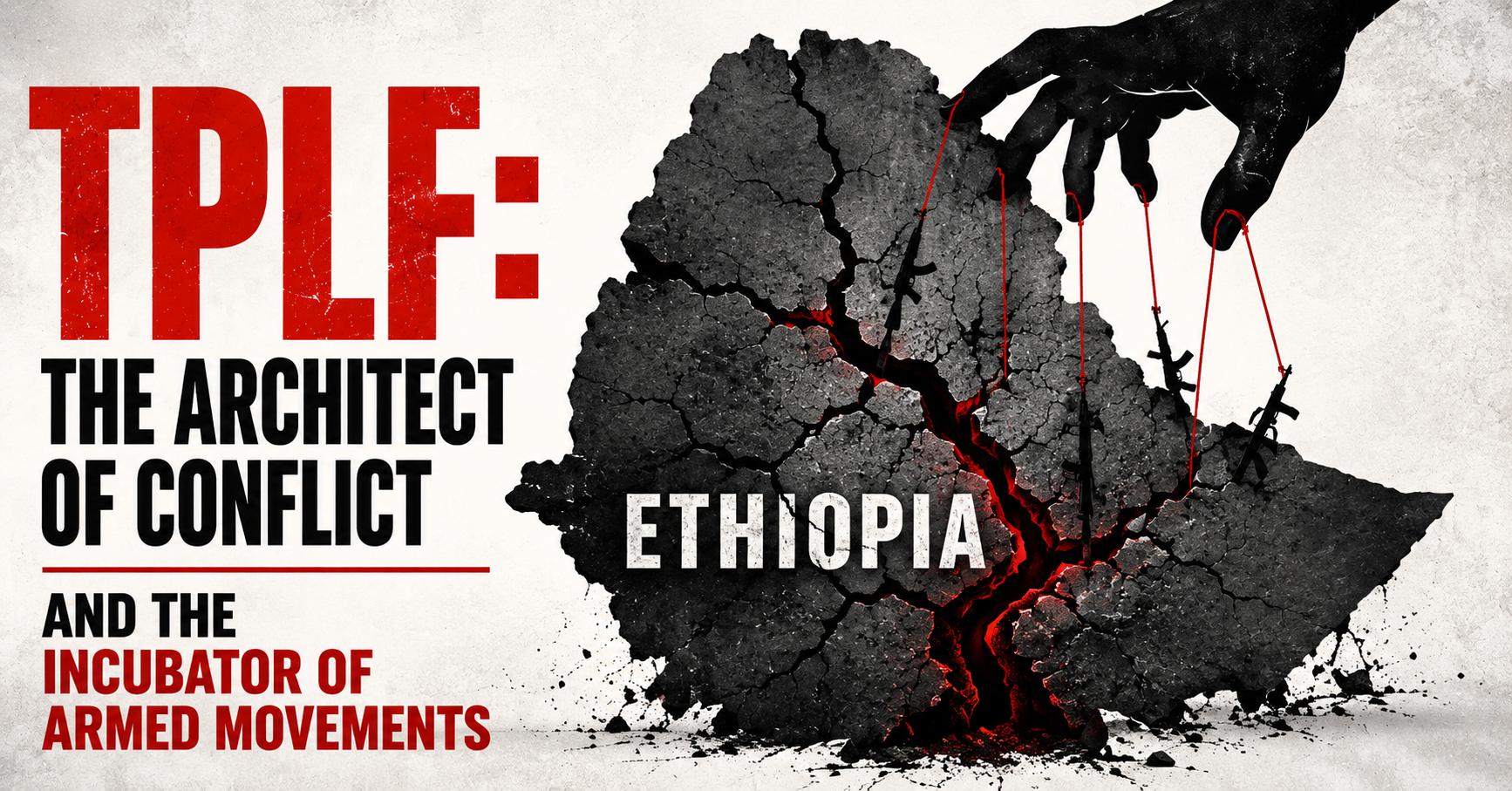
The modern cycle of conflict in Ethiopia did not begin by accident. It began in November 2020 when the Tigray People’s Liberation Front (TPLF) attacked the Ethiopian National Defense Force’s Northern Command. That decision transformed a political crisis into a devastating war that claimed countless lives, displaced millions of people, destroyed infrastructure, and inflicted enormous economic and humanitarian damage across northern Ethiopia.
After two years of intense fighting, the TPLF signed the Pretoria Peace Agreement in November 2022. Many analysts and supporters of the Ethiopian federal government view the agreement as evidence of a military defeat for the TPLF. They point to the organization’s acceptance of a permanent cessation of hostilities, disarmament, the restoration of federal authority, and the reestablishment of constitutional order in Tigray. From this perspective, Pretoria marked the failure of the TPLF’s military campaign and the recognition that its objectives could not be achieved through war. Others characterize Pretoria as a negotiated settlement, but the agreement nevertheless ended large scale fighting and established a framework for peace.
For many Ethiopians, Pretoria was expected to mark the beginning of a new chapter. Instead, concerns have persisted that hardline TPLF leaders preserved military structures and rebuilt their influence after the agreement. According to the Critical Threats Project, hardline TPLF factions reasserted military control inside Tigray and became part of what the organization describes as an emerging anti federal coalition.
The same analysis discusses an emerging network involving Amhara Fano militias, the Oromo Liberation Army (OLA), Eritrean actors commonly known as She’abia, and Sudanese Armed Forces linked contacts. It argues that cooperation among these actors could broaden instability and increase the risk of renewed conflict in Ethiopia.
The report also examines assessments surrounding the reported Tsimdo alliance, describing concerns that hardline TPLF elements have sought relationships with other armed actors opposed to the Ethiopian federal government. According to the analysis, if these relationships continue to develop, they could further undermine implementation of the Pretoria Agreement and increase regional security risks stretching across the Horn of Africa.
Human rights concerns have also resurfaced. Human Rights Watch has documented allegations that Tigrayan authorities forcibly recruited civilians through street arrests, house searches, and raids at gold mining sites. The organization states that these reported recruitment campaigns created widespread fear among civilians and called for the practice to end.
Another issue attracting growing attention is illegal gold mining and gold smuggling. Conflict affected regions have seen increasing reports that mineral resources are being exploited to finance armed groups. A separate Critical Threats Project report discusses public accusations by former Tigray Interim Administration President Getachew Reda that hardline TPLF leaders and military commanders were involved in illegal gold extraction, weapons trafficking, and corruption. Those allegations have been denied by the individuals accused.
The United States has imposed sanctions on individuals and entities connected to the conflict, citing concerns about human rights abuses and actions that undermined peace and regional stability. These measures reflected broader international concern over the conduct of multiple parties during the conflict and the challenges facing implementation of the Pretoria Agreement.
From the perspective of this article, Ethiopia must be clear eyed about the forces that have repeatedly contributed to cycles of violence. Armed organizations that continue to pursue political objectives through violent means should not be viewed as indispensable partners in determining Ethiopia’s future. Their role should be assessed according to their actions, their commitment to peace, and their willingness to operate within the country’s constitutional framework.
This perspective further argues that organizations responsible for initiating or sustaining armed conflict should not gain political influence because they possess military power. A meaningful national dialogue depends on strengthening democratic institutions and the rule of law rather than creating incentives for armed confrontation.
For decades, Ethiopia has paid a tremendous human and economic price for recurring political violence. Generations of young Ethiopians have seen opportunities lost to war, displacement, and instability. Lasting peace will require ending the cycle in which armed conflict becomes a path to political influence. It also requires accountability for abuses, stronger institutions, and a commitment to resolving disputes through peaceful and constitutional means.
The future of Ethiopia should be determined by its citizens through democratic institutions, not by armed movements. A stable and prosperous Ethiopia depends on replacing the politics of violence with the politics of peace, accountability, and national development. Another war does not serve Ethiopia’s interests.
