




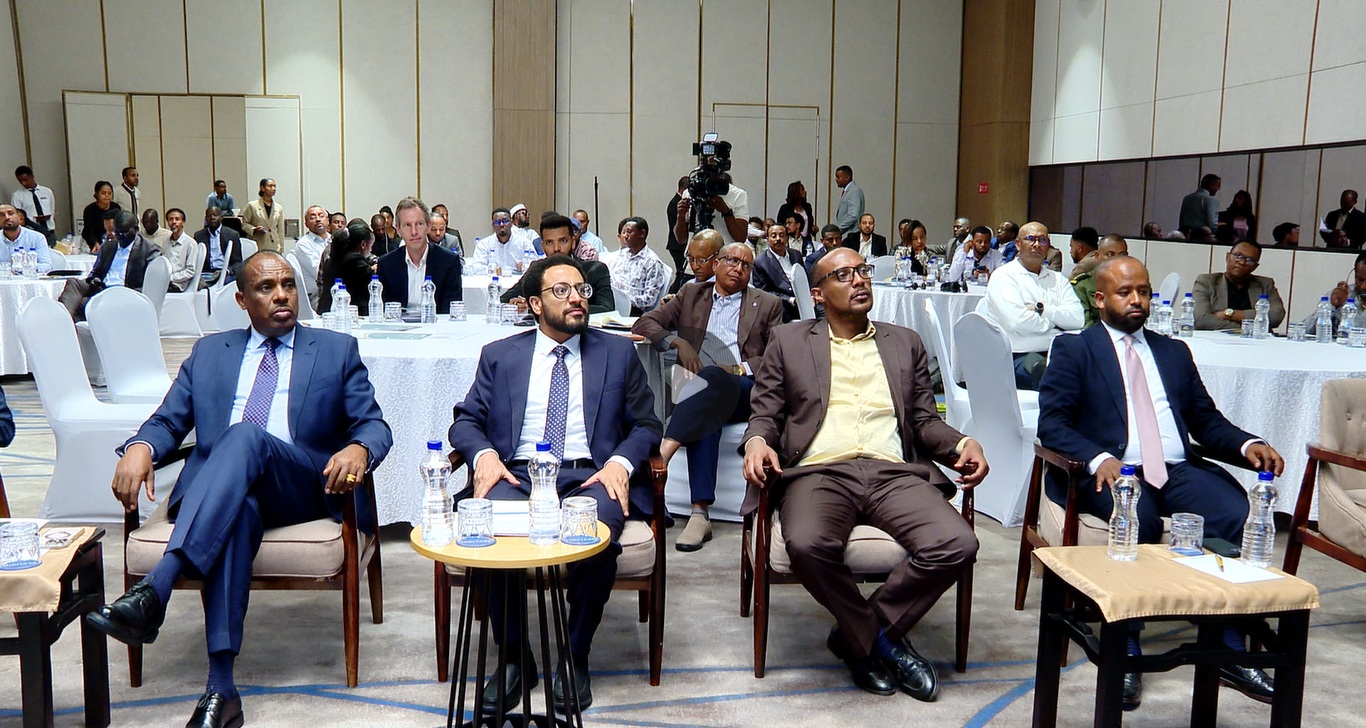
Ethiopia Unveils Integrated Border‑Management Roadmap at High‑Level Policy Dialogue
Addis Ababa, 13 June 2026 – The Institute of Foreign Affairs, together with the GIZ‑African Union Border Programme (GIZ‑AUBP), hosted a two‑day High‑Level Policy Dialogue that concluded with the adoption of Ethiopia’s first comprehensive roadmap for integrated border management.
Why Ethiopia’s Border Governance Needs a New Roadmap
Border zones are far more than lines on a map. They are dynamic spaces where security, development, governance, and mobility intersect. As Security Adviser to the Prime Minister, State Minister Kenea Yadeta explained, “Effective policies cannot be crafted without reliable knowledge and informed analysis.” The new roadmap is designed to turn evidence‑based research into concrete actions that improve border administration, curb illicit trade, and foster cross‑border cooperation.
Key point: A data‑driven approach is essential for evidence‑based policy making in border governance.
(External reference: World Bank – Evidence‑Based Policy Making)
H2 – Core Objectives of the Integrated Border‑Management Roadmap
| Objective | Description |
|---|---|
| Strengthen security | Build early‑warning systems and strengthen coordination among security agencies to address evolving threats. |
| Promote socio‑economic development | Enable legal trade, support cross‑border markets, and improve infrastructure for communities living in frontier zones. |
| Enhance governance & accountability | Establish clear institutional roles, data‑sharing protocols, and transparent decision‑making processes. |
| Facilitate people‑to‑people mobility | Harmonise customs procedures and visa regimes while safeguarding the rights of legitimate travelers. |
These pillars reflect the “border as a bridge” philosophy advocated by both Ethiopian officials and international partners.
H2 – Voices from the Dialogue
H3 Kenea Yadeta – Security Adviser to the Prime Minister
- “The roadmap is a paradigm shift: it provides the evidence base required for sound policy.”
- Highlights the need for balanced, innovative responses that reconcile security imperatives with development goals.
H3 Jafar Bedru – Executive Officer, Institute of Foreign Affairs
- Stressed that the roadmap must be rooted in the realities of border communities, not just top‑down directives.
- Emphasised that locals should be active partners, not merely beneficiaries, to ensure sustainable security and development.
H3 David Gudisch – Deputy Permanent Observer of Germany to the African Union
- Described the roadmap as a strategic framework for national implementation.
- Praised Ethiopia’s evidence‑based leadership and reiterated Germany’s long‑standing support (since 2008) for border governance initiatives across the Horn of Africa.
“Frontiers should be seen as bridges for human security, economic cooperation, and regional prosperity.” – David Gudisch
(External reference: German Federal Ministry for Economic Cooperation and Development – Africa Partnership)
H2 – From Theory to Practice: How the Roadmap Will Be Implemented
- Stakeholder Consultations – Continuous dialogue with local authorities, community leaders, customs officials, and civil‑society groups to validate findings and adapt actions.
- Capacity Building – Training for border personnel, investment in modern surveillance equipment, and strengthening of institutional coordination (e.g., joint border commissions).
- Human‑Capital Development – Focus on water‑management bodies and cross‑border conflict‑prevention programmes, areas where Germany has pledged technical assistance.
- Monitoring & Evaluation – Establish a robust framework of indicators to track progress, allowing timely adjustments and transparent reporting.
(External reference: UNODC – Border Management Best Practices)
H2 – Regional Impact: Stabilising the Horn of Africa from the Peripheries
The dialogue underscored a crucial insight: security cannot be achieved solely from capitals. Effective border governance must empower peripheral regions where early‑warning mechanisms and grassroots peace‑building operate. By turning borders into gateways for cooperation, Ethiopia aims to:
- Reduce illicit trafficking and smuggling.
- Boost legal trade volumes with neighboring countries.
- Foster cultural exchange and people‑to‑people ties.
- Contribute to broader regional stability in the Horn of Africa.
H2 – What’s Next?
The adoption of the integrated border‑management roadmap marks the start of a new phase for Ethiopia’s frontier policy. Germany has reiterated its readiness to support the implementation through:
- Enhanced operational capacity on the ground.
- Funding for institutional coordination mechanisms.
- Programs targeting water‑resource management and conflict prevention.
Stakeholders are now called upon to translate the strategic blueprint into tangible results that promote peace, security, and prosperity across African borderlands.
H3 – Quick Take‑aways
- Ethiopia’s roadmap is evidence‑driven, community‑focused, and aligned with regional development goals.
- Key partners—including the Institute of Foreign Affairs, GIZ‑AUBP, and Germany—will provide technical and financial support.
- Successful implementation hinges on continuous dialogue, capacity building, and rigorous monitoring.
For further reading on integrated border management frameworks, visit the International Organization for Migration (IOM) Border Management Portal.
