




2026 Ethiopia General Election: Results, Regional Exclusions and Economic Outlook
The seventh national poll held on 1 June 2026 was billed as a milestone of modernisation and civic resilience. The reality, however, revealed a mixed picture of technological innovation, persistent regional exclusion and mounting economic pressures.
Why the 2026 Ethiopia General Election Matters
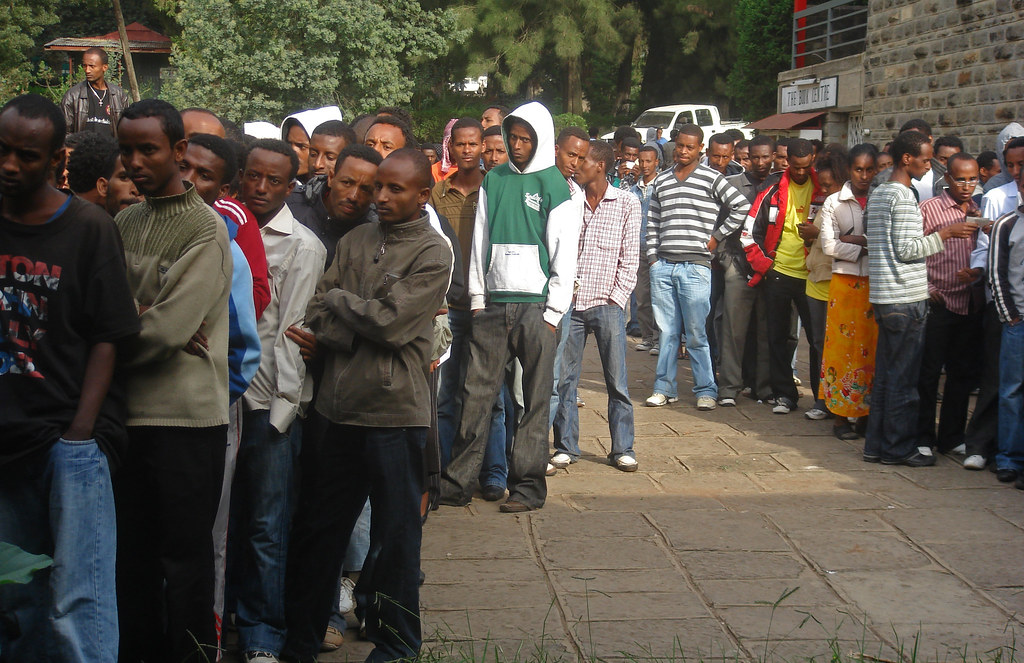
The federal government promoted the election as a yardstick of Ethiopia’s economic modernisation and political stability. More than 50 million citizens registered – a 34 % surge from the 37.4 million registered in 2021 – with women and youth forming a substantial part of the electorate【Al Jazeera】.
Despite a respectable 70 % voter turnout【The Reporter Ethiopia】, participation fell sharply from the 99.6 % recorded in 2021 and the 93 % in 2015【ElectionGuide】, reflecting insecurity, inflation‑driven hardship and growing voter disengagement.
H2: Predictable Pattern of Regional Exclusion
H3: Conflict‑Driven Suspension of Voting
- Tigray – For the second consecutive election, polling was suspended across the entire region because of unresolved post‑war political tensions and territorial disputes【Ethiopia Observer】.
- Amhara – The Fano insurgency forced the cancellation of voting in 8 constituencies, while security incidents kept 143 polling stations closed on election day in both Amhara and Oromia【Ethiopia Observer】.
Combined, these disruptions likely disenfranchised 5–6 million registered voters, undermining the claim of a truly national poll.
H3: Implications for the Prosperity Party
Prime Minister Abiy Ahmed’s Prosperity Party is poised for a landslide, yet its renewed mandate will be unevenly distributed. Excluding Ethiopia’s second‑ and third‑largest population centres (Amhara and Tigray) risks deepening historic grievances. The ongoing National Dialogue initiative has struggled to earn the trust of key opposition and armed groups, raising doubts about its capacity to resolve the root causes of conflict【The Reporter Ethiopia】.
H2: Innovation Meets Exclusion
H3: Digital Voter Registration – A First for Ethiopia
The Intergovernmental Authority on Development (IGAD) highlighted the election as an “election of many firsts,” primarily because of the home‑grown Mirchaye digital voter registration system【IGAD Report】. Over 5.5 million citizens used the platform【ENA】, marking a clear step toward electoral modernisation.
H3: Digital Divide in Conflict Zones
Nevertheless, the digital advance clashed with on‑ground realities: damaged infrastructure and communication blackouts in war‑torn regions limited access. Only 29 000 internally displaced persons (IDPs) could vote through special arrangements on 9 June in camps and shelters【The Reporter Ethiopia】, a fraction of Ethiopia’s >2 million displaced population【UNHCR】.
H2: Economic Context – Reform Promises vs. Reality
H3: Persistent Inflation and Rising Living Costs
The government’s Homegrown Economic Reform Agenda promised relief, yet inflation stayed above 13.4 %【Ethiopian Statistics Agency】, with food prices climbing for a third straight month. Youth unemployment hovered around 20 %【UNFPA Ethiopia】, and exchange‑rate liberalisation continued to erode purchasing power【Addis Fortune】.
H3: FY 2026/27 Budget – Nominal Growth, Real Stagnation
The draft ETB 2.3 trillion (US$ 14.5 billion) budget appears larger in local currency, but the Birr’s depreciation renders it virtually flat in dollar terms. Parliamentary critics have already flagged the executive’s overly optimistic fiscal outlook【The Reporter Ethiopia】, signalling growing unease over the scale of promised reforms.
H2: Outlook – What the Election Means for Ethiopia’s Future
- Political Continuity – With the Prosperity Party likely to dominate the House of Peoples’ Representatives, Ethiopia’s policy trajectory will stay largely unchanged. Market liberalisation, financial‑sector reform and privatisation are expected to accelerate to keep international lenders and investors satisfied.
- Conflict‑Prone Legislature – As after the 2021 vote, the parliament will probably operate with unfilled seats in the conflict‑affected constituencies, limiting full representation. Targeted cabinet reshuffles are anticipated to reinforce the economic agenda and manage rising political pressure.
- Regional Diplomacy – The government will keep pursuing sea‑access projects, Horn‑of‑Africa economic integration and the repair of ties with key partners. However, Eritrean tensions, Sudanese instability and lingering Somalia disputes remain potential flashpoints that could divert attention and resources from domestic reforms.
Key Takeaways
| Aspect | What Happened | Impact |
|---|---|---|
| Voter Registration | 50 M+ registered (34 % rise) | Expanded electorate, but uneven participation |
| Turnout | ~70 % vs 99.6 % (2021) | Sign of disengagement amid insecurity |
| Regional Exclusion | No voting in Tigray; 8 Amhara constituencies canceled; 143 stations closed | 5–6 M voters disenfranchised |
| Tech Innovation | Mirchaye system used by 5.5 M | Modernisation offset by digital divide |
| Economic Pressure | Inflation >13.4 %; youth unemployment ~20 % | Weakens reform credibility |
| Budget | ETB 2.3 trillion (US$ 14.5 bn) | Nominal growth, real‑term stagnation |
Bottom line: The 2026 Ethiopia general election delivered a predictable win for the ruling Prosperity Party while exposing deep‑seated geographic exclusions and economic strains. Whether the government can translate its modernisation rhetoric into tangible improvements for all Ethiopians remains the crucial question for the months ahead.
For more in‑depth coverage of Ethiopia’s political landscape, explore our related articles on the 2021 election aftermath, National Dialogue progress, and regional security dynamics.
