




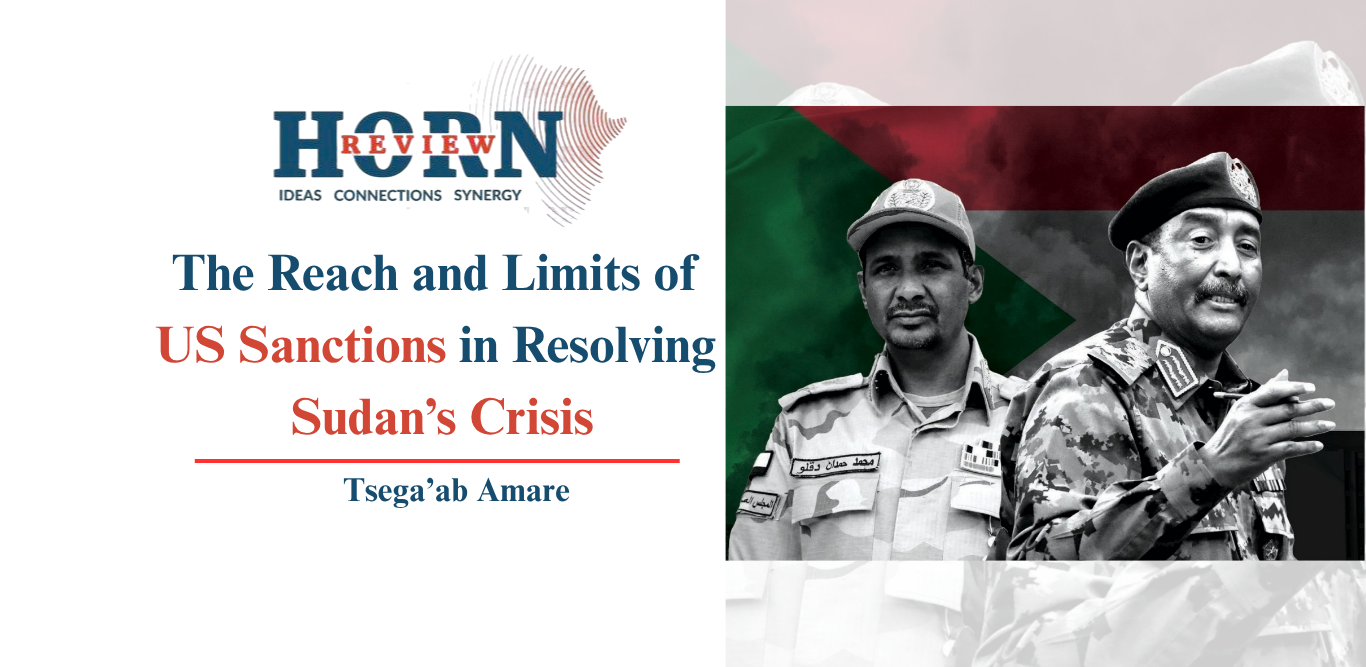
U.S. Sanctions on Sudan: A Deep‑Dive into the New CBW‑Based Package and Its Limits
Focus Keyword: U.S. sanctions Sudan
Introduction: Why the Latest Sanctions Matter
In June 2026 the United States unveiled its most expansive U.S. sanctions Sudan package since the war began in 2023. For the first time the sanctions are anchored in the Chemical and Biological Weapons Control and Warfare Elimination Act (CBW Act), target procurement and recruitment networks that serve both the Sudanese Armed Forces (SAF) and the Rapid Support Forces (RSF), and threaten to block Sudan’s access to multilateral development banks. The move signals a clear shift from targeting individual commanders to confronting the economic arteries that keep the conflict alive.
1. The CBW Act Framework – A New Lever for Washington
1.1 What the CBW Act Adds
- Financial Gatekeeping – The United States will lobby the World Bank, the International Monetary Fund (IMF) and the African Development Bank to deny or condition any post‑war reconstruction loans unless Sudan proves compliance with the CBW Act.
- Export Controls – Tighter restrictions on dual‑use technologies, such as drone components and chemical‑precursor chemicals, are now enforced under the act’s export‑control provisions.
- Aviation Restrictions – Sudanese state‑run airlines are barred from operating in U.S. airspace, further limiting logistical options for the warring parties.
1.2 How It Could Shape the Post‑Conflict Economy
If the World Bank, IMF and AfDB treat U.S. opposition as decisive, Sudan’s ability to secure concessional financing for reconstruction will hinge on its CBW‑accountability record. This creates a political‑economic hook: any future governing entity will need to address alleged chemical or biological weapons violations to unlock vital capital flows.
2. Immediate Targets: Disrupting Procurement Networks
2.1 Treasury’s Designations
The Treasury Department’s recent Sanctions Designations focus on entities embedded in the supply chain, not just political or military leaders. Notable names include:
| Entity | Role in the War Economy | Connection |
|---|---|---|
| SBL Energy Limited (India) | Routes explosives‑related materiel to SAF factories | Treasury Press Release |
| Target Multiactivities Company (Sudan) | Linked to the Defense Industries System | Same source |
| Front companies recruiting Colombian veterans | Provide tactical expertise to RSF units | Same source |
These designations aim to raise transactional costs for the logistical “middle‑men” that keep weapons flowing to both sides.
2.2 Why Targeting the Supply Chain Is Different
Previous sanction rounds focused on high‑ranking commanders or senior officials. By moving downstream to commercial firms and recruitment outfits, Washington demonstrates a finer‑grained understanding of Sudan’s “war economy.” However, the real test will be whether cutting off these nodes can meaningfully weaken the overall network.
3. The Architecture of Sudan’s War Economy
3.1 Funding the RSF
- Gold Mining: RSF extracts gold in Darfur and Kordofan, then ships it via private charter flights and overland routes to Gulf trading hubs.
- Cash‑and‑Barter Networks: Proceeds are laundered through informal channels that evade SWIFT and traditional banking oversight.
Read more about RSF gold financing: GIS Reports – Sudan War Fueled by Gold
3.2 Funding the SAF
- State‑Backed Procurement: The SAF utilizes formal military‑industrial contracts, state‑to‑state arms deals (including Turkish and Iranian drones), and maritime imports through Port Sudan.
- Gold‑Backed Reserves: Approximately 60 % of SAF‑linked gold moves through Egypt into formal currency markets, insulating Khartoum from typical sanctions pressure.
Details on SAF gold flows: GIS Reports – Sudan War Fueled by Gold
3.3 Why the New Sanctions May Not Be Disruptive Enough
The identified procurement facilitators represent visible nodes that can be black‑listed. Yet the broader financing engines—gold‑for‑weapons conversions, shadow banking routes, and the Gulf‑linked logistics chain—remain largely untouched. Historically, when a node is sanctioned, the network re‑routes through alternative front companies, uses cash transactions, or shifts to other transit countries.
4. Dual‑Sided Targeting: A Break from Past U.S. Policy
Historically, Washington treated the SAF‑aligned government as the sovereign entity worthy of protection, even while condemning its actions. The latest package explicitly sanctions networks that supply both SAF and RSF, signalling that neither side’s claim to legitimacy is strong enough to merit immunity from procurement‑related sanctions.
5. What the Sanctions Leave Out
5.1 The Emirati Connection
Investigations by the UN Panel of Experts and journalists have linked UAE‑connected actors to RSF supply chains via regional transit hubs. Despite this, the State Department’s statement calls for “an end to all external support” without naming any state. The omission underscores a political constraint: direct pressure on powerful regional partners could jeopardize broader U.S. strategic interests.
Read the investigation: Lighthouse Reports – Secret Network Fueling Sudan’s War
5.2 The Humanitarian Truce Language
The humanitarian truce appeal at the end of the State Department’s release replicates wording used for over two years. While useful as a diplomatic signal, it has yet to alter the belligerents’ incentives in any substantive way.
6. Regional Ripple Effects
If multilateral lenders heed the CBW Act conditions, a precedent will be set: reconstruction financing could become contingent on weapons‑accountability in other conflict‑affected states. This template would give Washington a powerful bargaining chip in future negotiations across the Horn of Africa and the Sahel.
7. Bottom Line: How Effective Are These Sanctions?
- Short‑Term Impact: Increased compliance costs for identified procurement facilitators; heightened scrutiny of dual‑use exports and airline operations.
- Long‑Term Impact: Limited unless the United States escalates to pressuring the core financial ecosystems—the gold‑for‑weapons conversions, shadow banking networks, and state sponsors such as the United Arab Emirates.
In other words, the quantity of designations matters less than the willingness to target the structural nodes that keep Sudan’s war economy humming. Until Washington moves beyond “mid‑level” facilitators, the sanctions will likely remain a costly inconvenience for the warring parties rather than a decisive lever for peace.
Related Reading
- “Sanctioning the Networks Fueling Sudan’s War” – Full State Department release (June 2026)
- “Treasury’s New Sudan Sanctions” – Official Treasury announcement (SB‑0544)
- “How the Rapid Support Forces Smuggle Gold to the UAE” – BL News investigation (Feb 2026)
For the latest updates on U.S. sanctions policy and its impact on Sudan, stay tuned to reputable sources such as the U.S. Department of State, the Treasury’s Office of Terrorism and Financial Intelligence, and leading investigative journalism outlets.
