




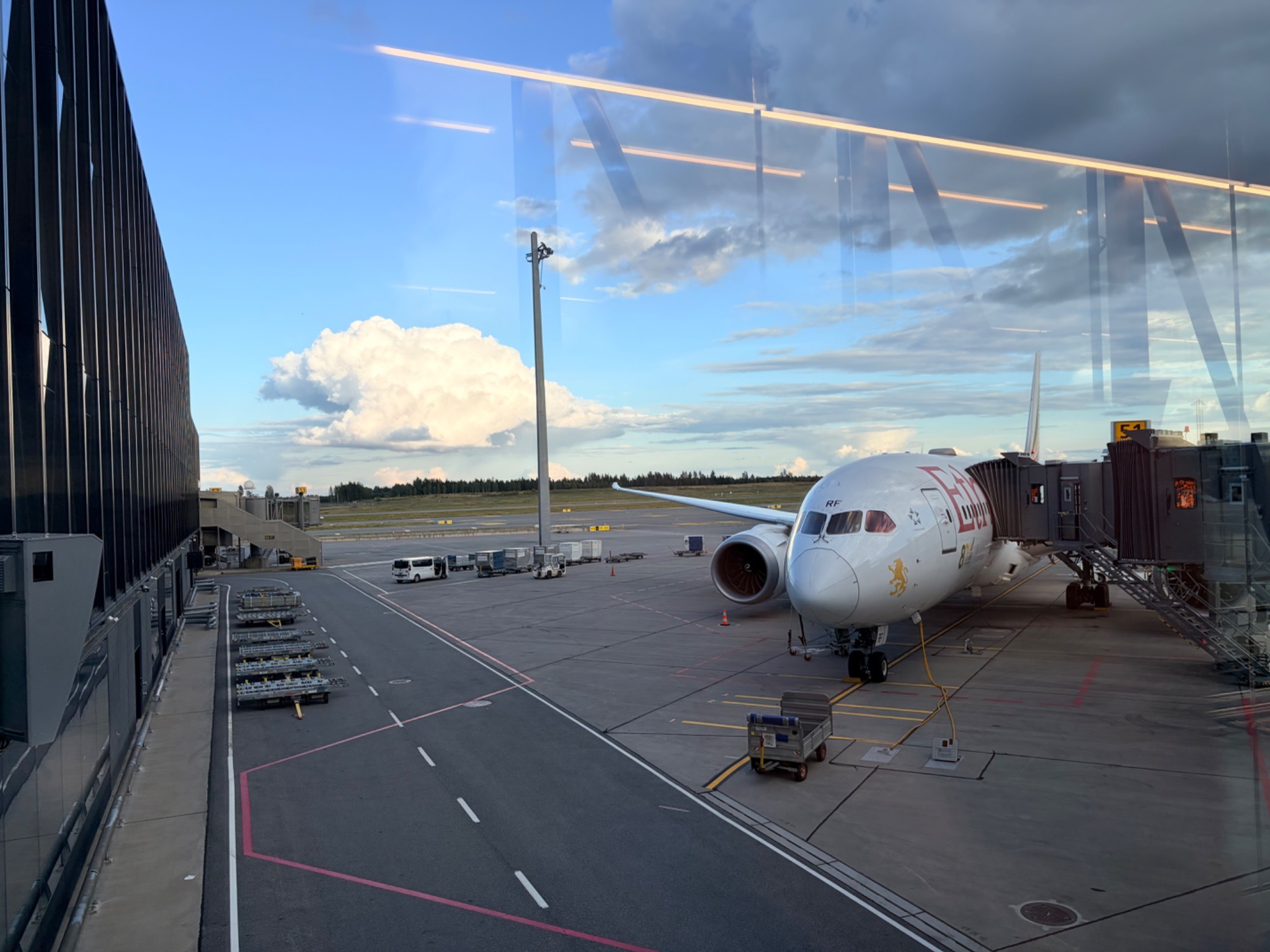
Ethiopian Airlines ET715 Review: Oslo to Stockholm Fifth-Freedom Flight on the Boeing 787-8
Focus Keyphrase: Ethiopian Airlines ET715 Oslo Stockholm review
Ethiopian Airlines flight ET715 offers a rare fifth-freedom connection between Oslo (OSL) and Stockholm (ARN) as part of its long-haul service to Addis Ababa (ADD). Operated by a Boeing 787-8 Dreamliner, this 45-minute sector provides a widebody experience on a short Scandinavian hop. However, operational quirks at Oslo Airport, significant cabin wear on the aircraft, and evolving Entry/Exit System (EES) border complications define the experience more than the flight itself.
Understanding the Fifth-Freedom Operation
Unlike standard intra-Schengen flights, ET715 operates under ICAO fifth-freedom rights. This allows the carrier to sell tickets exclusively for the Oslo–Stockholm leg while the aircraft continues to its hub in Addis Ababa Bole International Airport (ADD). For passengers traveling only between the two Scandinavian capitals, this creates a unique product: a long-haul widebody aircraft on a short domestic-style sector.
Ground Experience at Oslo Airport (OSL): The Non-Schengen Trap
The most immediate surprise for passengers booking this route is the gate location. Despite both Norway and Sweden being Schengen Area members, ET715 departs from Gate F31 in the Non-Schengen (F-Pier).
Why Passport Control is Required for a Schengen Flight
Because the aircraft arrives from and departs to a non-Schengen destination (Ethiopia), the aircraft stands at a gate designated for extra-Schengen traffic. Avinor (Oslo Airport operator) mandates that all passengers accessing the F-Pier clear exit passport control, regardless of their final destination.
- Critical Timing: Travelers holding only an Oslo–Stockholm ticket must budget significant extra time for border formalities.
- Biometric Failure Risk: During the reviewed operation, the automated e-gates were inoperative, forcing manual processing by the Norwegian Police Immigration Unit. This created a bottleneck where boarding concluded before all cleared passengers reached the gate.
Onboard Product: Boeing 787-8 (ET-ARF) Cabin Condition
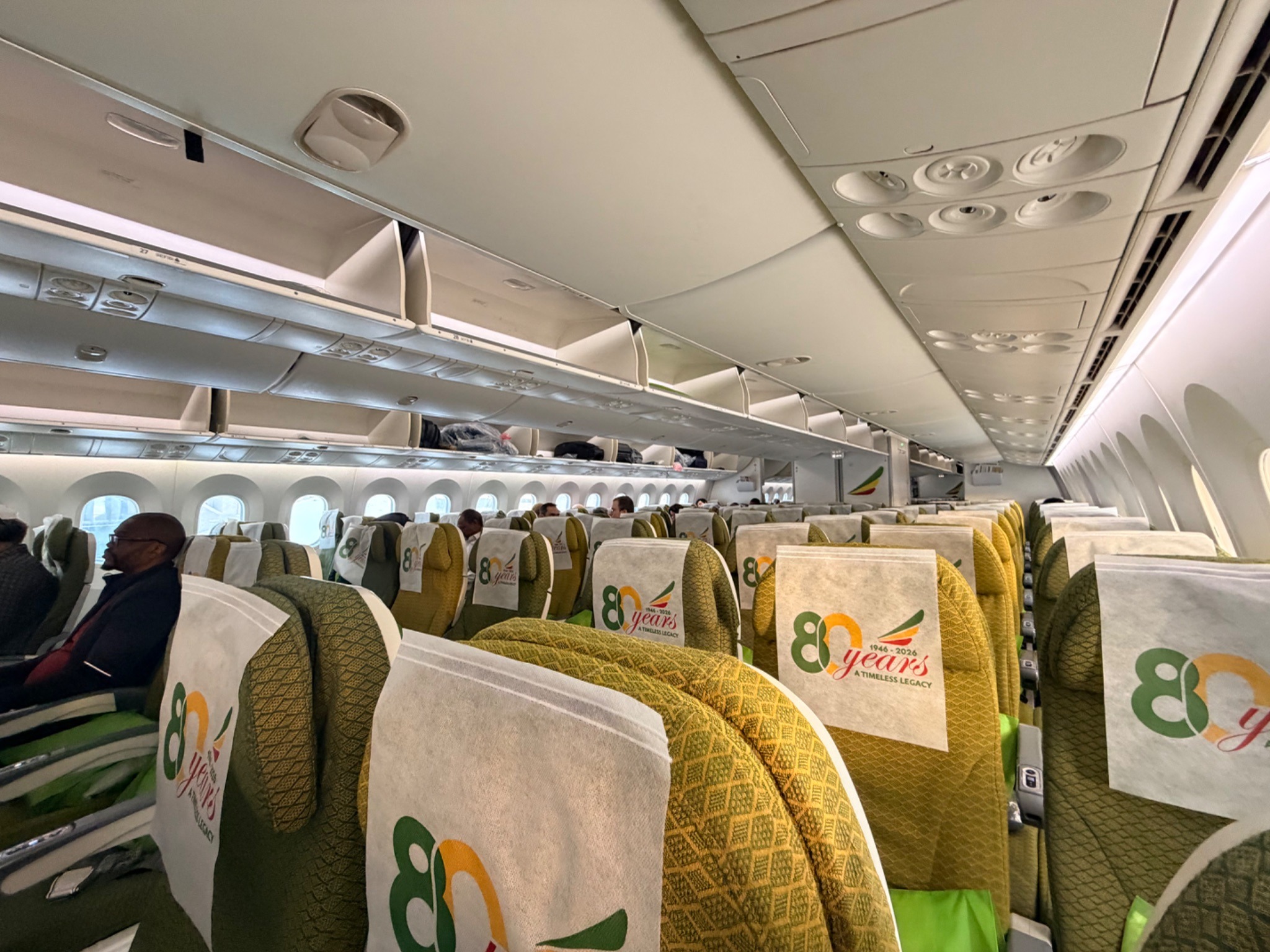
The flight was operated by ET-ARF, a Boeing 787-8 Dreamliner. While the airframe offers advanced environmental controls, the specific cabin interior showed heavy degradation.
Seat & Inflight Entertainment (IFE) Defects
- IFE Hardware Failure: At seat 27A (and reportedly adjacent seats), the panoramic IFE screen was partially detached from the seatback housing, hanging at an unusable angle.
- Seat Mechanism Failure: The seatback in front (Row 26) was stuck in a fully reclined position and could not be raised by the crew or the passenger. On a 45-minute flight, this is a nuisance; on the continuing 7-hour sector to Addis Ababa, it represents a significant comfort and safety compliance issue.
- General Presentation: The cabin exhibited visible dirt and wear—stained carpets, scuffed sidewalls, and grubby tray tables—falling well below the standard expected of a 787 Dreamliner flagship product.
Dreamliner Advantages Retained
Despite the cosmetic and mechanical neglect, the inherent 787 design benefits were perceptible:
- Higher cabin humidity and lower equivalent cabin altitude (6,000 ft vs 8,000 ft standard).
- Large electronically dimmable windows.
- Generous personal space due to low load factor on the short sector.
Flight Operations: OSL to ARN
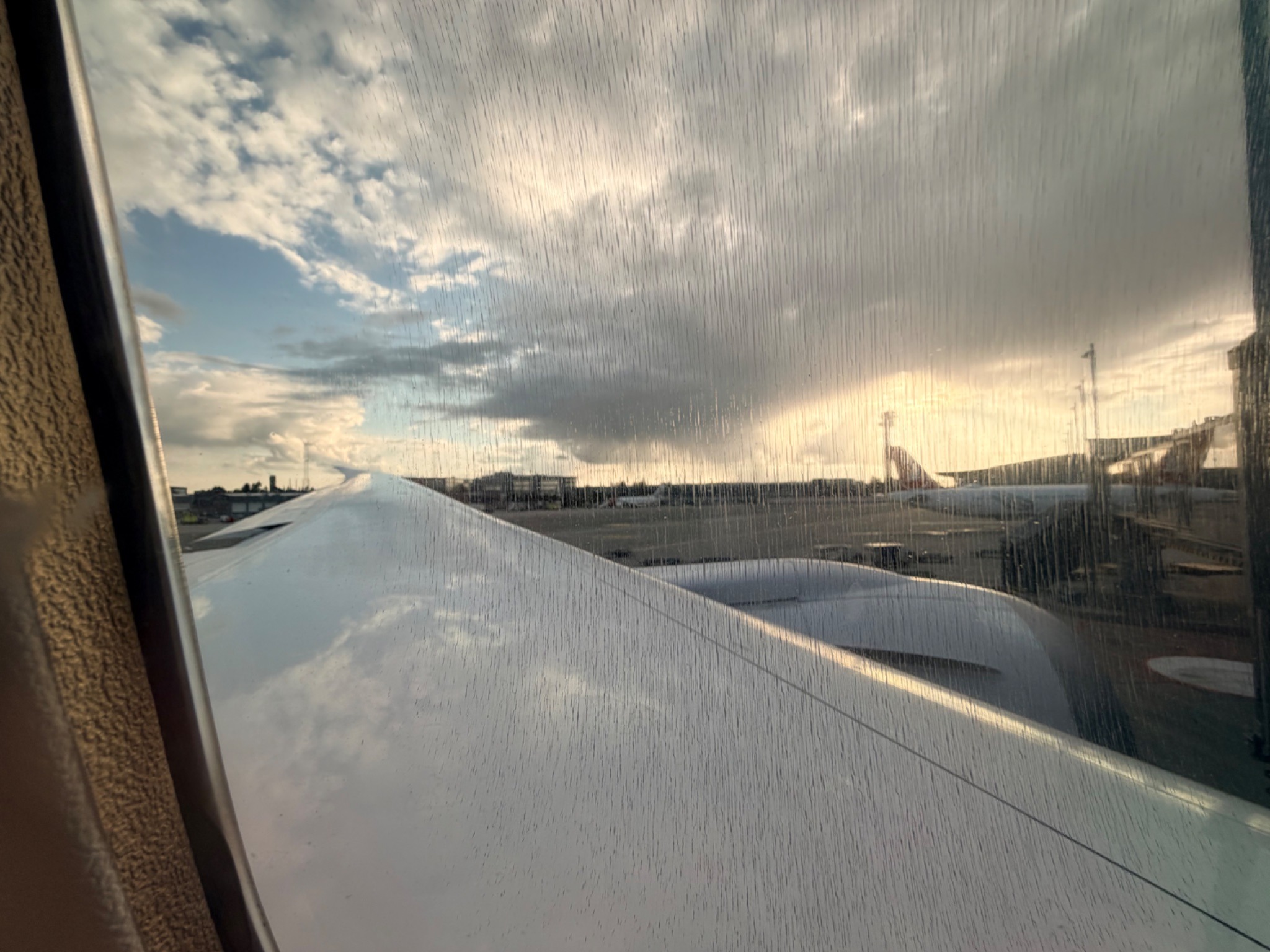
The block time for the sector is approximately 45 minutes. Given the short duration, no cabin service (meal, beverage, or duty-free) was offered, which aligns with standard industry practice for sub-one-hour sectors.
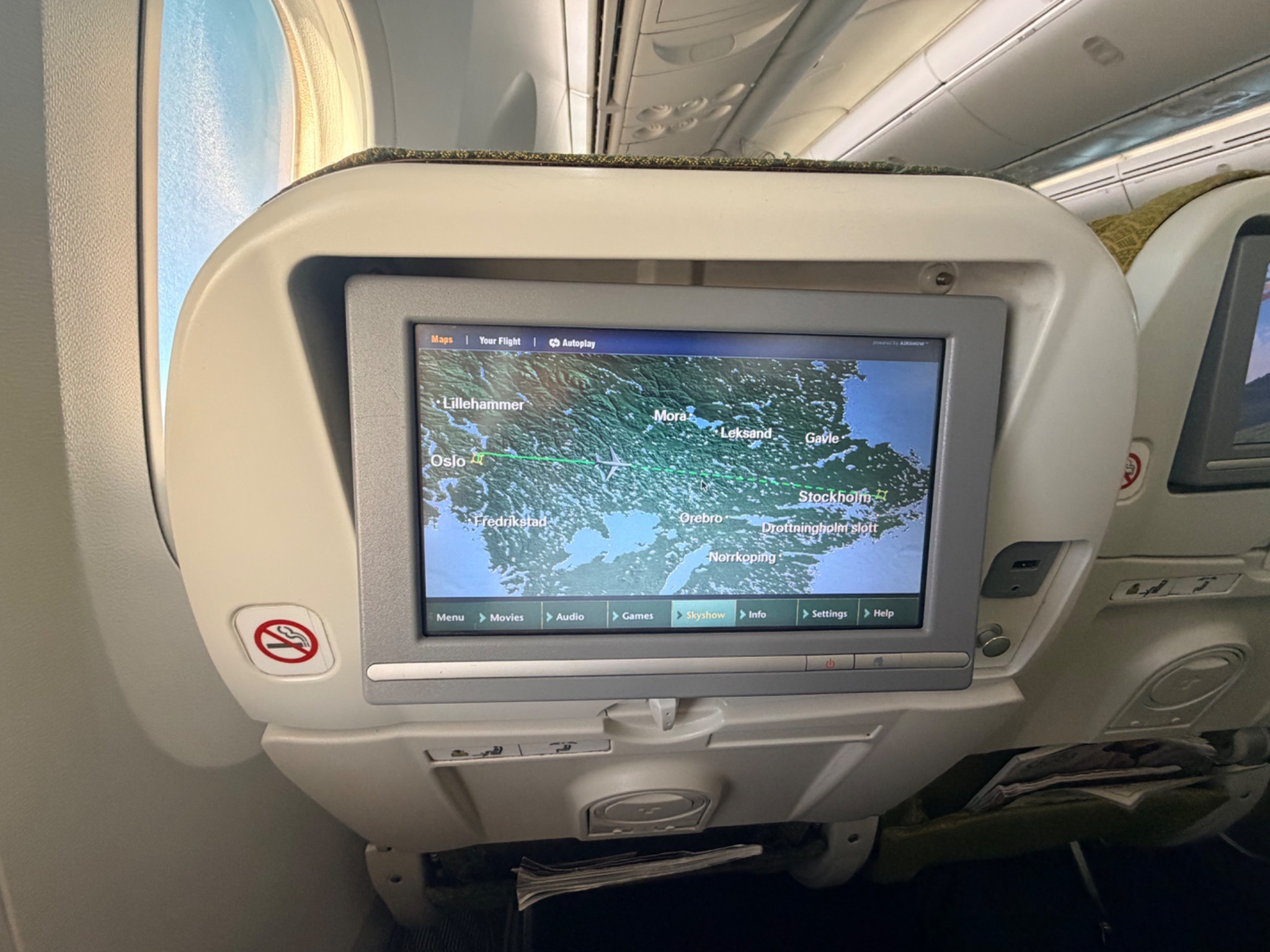
- Routing: Standard departure OSL Runway 01L/19R, routing south over the Oslofjord and across the Swedish border.
- Arrival: Landing at Stockholm Arlanda (ARN) Terminal 5, Gate F59 after an extended taxi.
- Weather: Night arrival with light rain.
The Border Complication: Navigating the Entry/Exit System (EES)
The arrival process at Arlanda highlighted a systemic issue affecting non-EU nationals: the rollout of the European Entry/Exit System (EES). Fully operational since April 2026, EES replaces manual passport stamping with biometric registration (facial image, fingerprints, timestamp) for short-stay visitors.
Case Study: The “Ghost Exit” Problem
The reviewer experienced a cascading border failure originating weeks prior at Paris Charles de Gaulle (CDG):
- Missing Exit Record: Upon departing Schengen for the UK at CDG, passport was visually checked but no biometric exit capture occurred.
- False Overstay Flag: Subsequent entry at Frankfurt (FRA) triggered an alert: the central system showed no exit record, implying an overstay.
- Recurring Friction: Arrival at ARN on ET715 required a third manual intervention to explain the missing digital footprint.
Key Takeaway: A single missed biometric capture at an external border (e.g., CDG, FRA, ARN) creates a “ghost presence” in the eu-LISA central database. This follows the traveler across all subsequent Schengen crossings, turning automated gates into manual interviews until the record is adjudicated. Swedavia confirms the biometric capture requirement at Arlanda, but the system relies on the *previous* exit having been recorded correctly.
Arrival at Stockholm Arlanda (ARN)
Because the flight arrives from a Non-Schengen gate environment (OSL F-Pier), passengers are channeled through **entry passport control at Arlanda Terminal 5** upon arrival—effectively treating a Stockholm-bound passenger as an international arrival.
- This negates the usual “domestic” walk-through experience for intra-Schengen travel.
- Non-EU nationals must complete EES biometric enrollment (if not already enrolled) or verification here.
- Baggage claim (if checked through to ARN) is located post-border in the domestic arrivals hall.
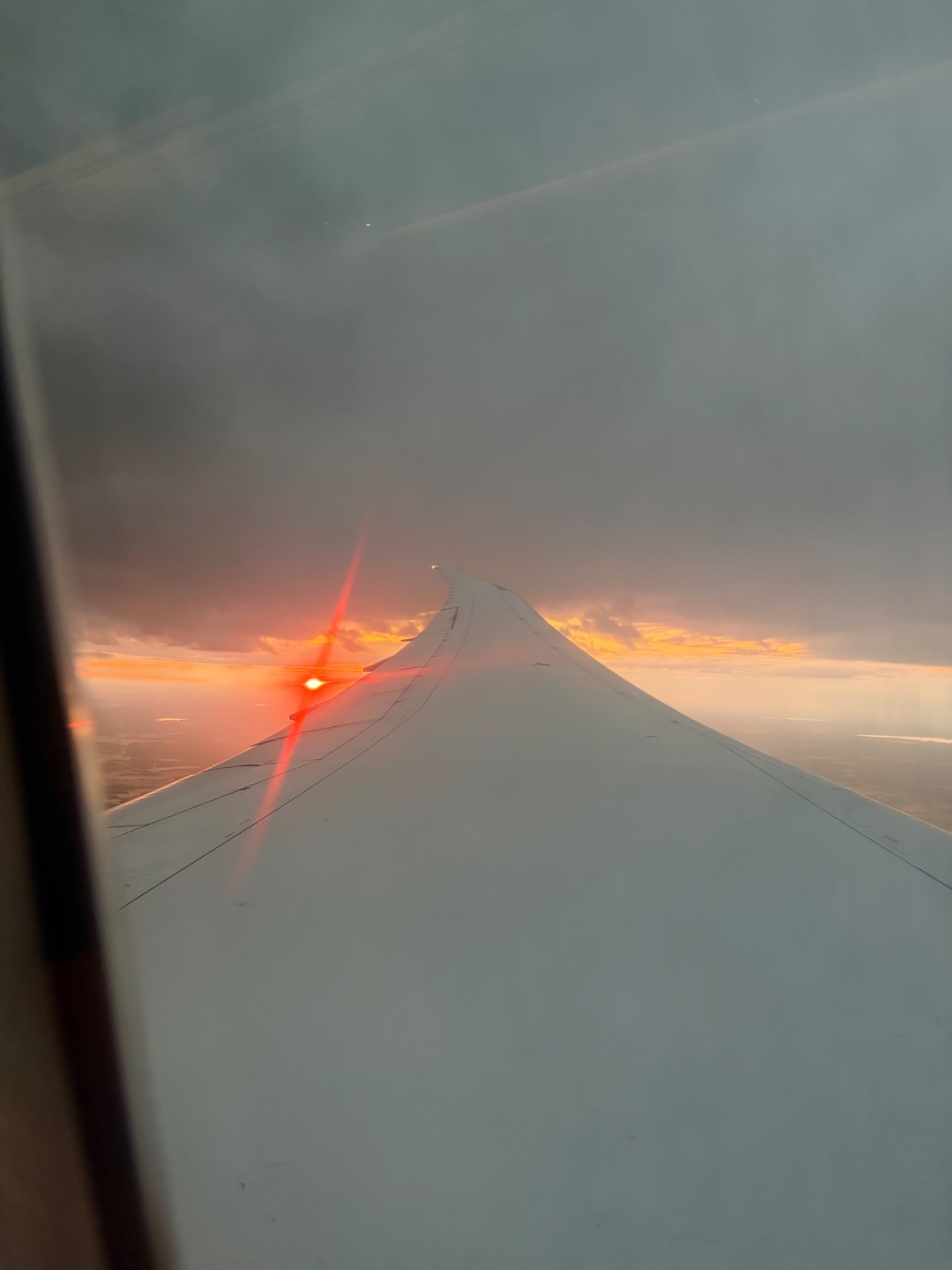
Verdict: Is Ethiopian Airlines ET715 Worth Booking?
Pros
- Aviation Novelty: Only widebody fifth-freedom link between Oslo and Stockholm.
- Aircraft Physics: 787 cabin altitude/humidity benefits, even on short hops.
- Space: Frequently low load factors on the tag sector guarantee empty adjacent seats.
Cons
- Cabin Degradation: The specific frame (ET-ARF) displayed unsafe seat mechanics and broken IFE unsuitable for a carrier charging long-haul premium fares.
- Ground Friction: Mandatory double passport control (Exit OSL / Entry ARN) adds 45–60 mins minimum to the airport process vs. SAS/Norwegian domestic shuttles.
- EES Vulnerability: The double border interaction doubles the exposure points for EES biometric failures.
- No Service: Zero soft product on the sector.
Bottom Line
For the Oslo–Stockholm city pair, ET715 is **difficult to recommend** over SAS or Norwegian 737/A320 shuttles operating from the main Schengen piers with high frequency, zero border friction, and reliable cabins. The only justification is aviation enthusiasm for the 787 type or a connecting itinerary to Addis Ababa where the sector is included in a through-fare. Travelers should verify the operating aircraft registration (avoiding ET-ARF until refurbishment) and add a **minimum 90-minute buffer at OSL** for the mandatory Non-Schengen pier transit.
Frequently Asked Questions (FAQ)
Does Ethiopian Airlines ET715 require passport control in Oslo for a flight to Stockholm?
Yes. ET715 departs from the Non-Schengen F-Pier (Gate F31). All passengers, including those terminating in Stockholm, must clear Norwegian exit passport control to access the gate. Allow extra time for this, especially if automated e-gates are down.
What aircraft does Ethiopian Airlines use for ET715?
The route is typically operated by a Boeing 787-8 Dreamliner (e.g., ET-ARF, ET-ARH) configured with Cloud Nine (Business) and Economy classes, continuing onwards to Addis Ababa (ADD).
Is there meal service on the Oslo to Stockholm flight?
No. The flight time is approx. 45 minutes. No meal, snack, or beverage service is offered in any cabin class on this specific sector.
How does the Entry/Exit System (EES) affect this flight?
Non-EU nationals face biometric checks at both Oslo (Exit) and Stockholm (Entry). If a previous Schengen exit (e.g., at CDG or FRA) failed to register in the central eu-LISA database, you will be pulled for manual interview at both OSL and ARN, significantly delaying transit.
Which terminal does ET715 arrive at in Stockholm?
ET715 arrives at Stockholm Arlanda Terminal 5, Gate F59. Passengers disembark into the Non-Schengen arrival flow and must clear Swedish entry passport control (EES biometrics) before reaching baggage claim or the arrivals hall.
