




Ethiopia Champions LDC Priorities as it Prepares to Host COP32 in Addis Ababa
Key Takeaways
- Host Nation Commitment: Ethiopia pledges an inclusive, transparent, and collaborative presidency for COP32 in Addis Ababa (November 2027).
- LDC Focus: Foreign Minister Gedion Timothewos met with LDC Group Chair Ambassador Adão Soares Barbosa at COP31 in Antalya to center vulnerable nations’ priorities.
- Strategic Preparation: Ethiopia is leveraging COP31 for partnership building, logistical learning, and ensuring a seamless transition from the Turkish/Australian presidencies.
- Momentum Building: Success at COP31 is viewed as the critical foundation for actionable outcomes at the Addis Ababa summit.
ANTALYA, Türkiye — Ethiopia has formally reaffirmed its dedication to advancing the climate agenda of the Least Developed Countries (LDCs) as it gears up to host the 32nd United Nations Climate Change Conference (COP32) in Addis Ababa in November 2027.
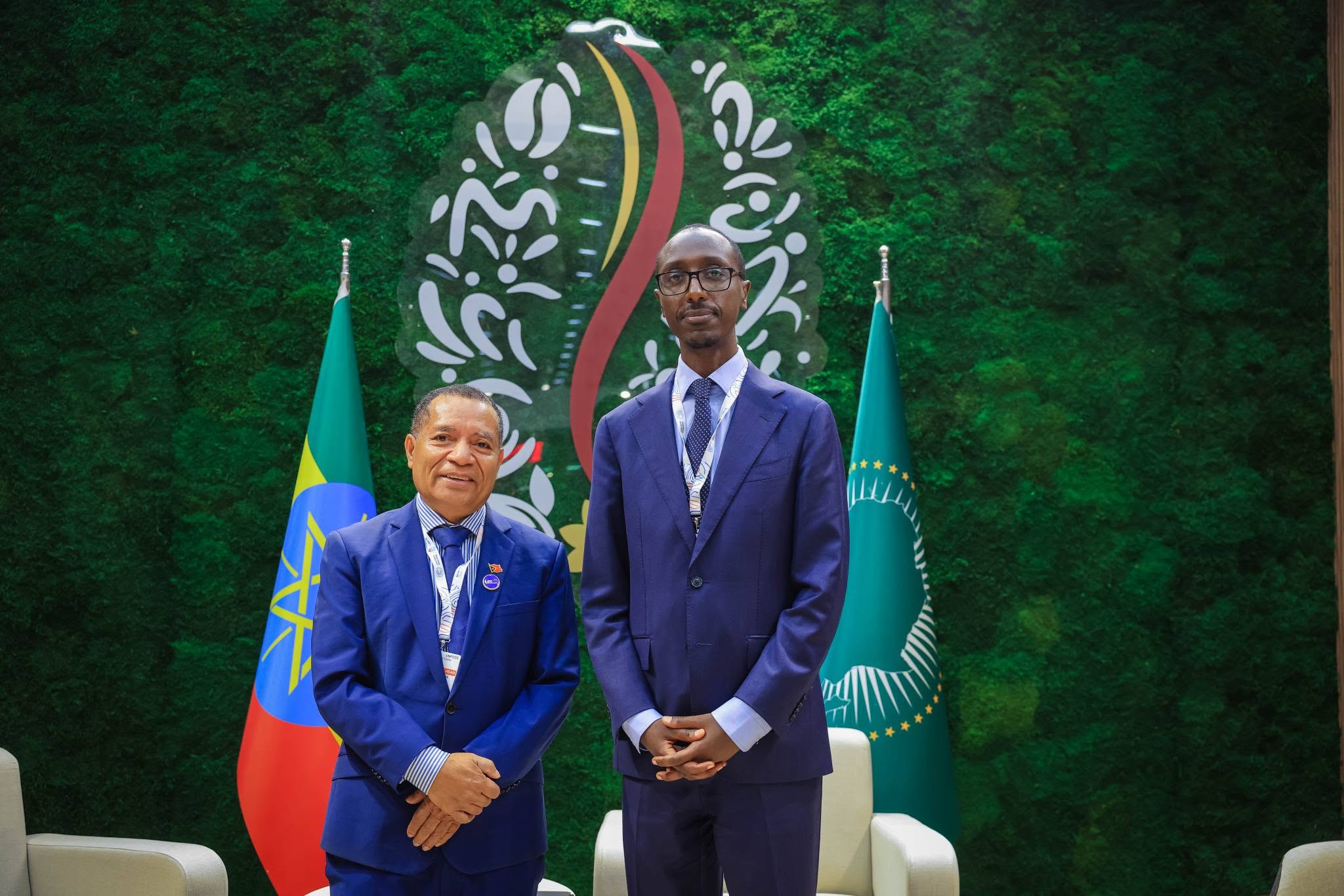
The commitment was underscored by Foreign Affairs Minister and COP32 President-Designate Gedion Timothewos during high-level talks with Ambassador Adão Soares Barbosa, Chair of the LDC Group from Timor-Leste. The meeting took place at the Ethiopia Pavilion on the sidelines of COP31 in Antalya, Türkiye.
Centering the Voices of the Most Vulnerable
During the bilateral engagement, Minister Gedion emphasized that the priorities, interests, and perspectives of LDCs will remain central to the preparatory process and final deliberations of COP32. He stressed the necessity of close consultation and strong partnerships to build consensus around climate outcomes that reflect the shared aspirations of vulnerable nations.
“Ethiopia intends to work closely with the LDC Group and other international partners to build consensus and advance climate outcomes that reflect the shared aspirations of vulnerable countries,”
Gedion Timothewos, Foreign Affairs Minister & COP32 President-Designate
Why the LDC Group Matters for COP32
The Least Developed Countries Group represents 46 nations highly vulnerable to climate change yet least responsible for global emissions. Their negotiating bloc is pivotal in UNFCCC processes, often pushing for ambitious mitigation, enhanced adaptation finance, and operationalization of the Loss and Damage Fund. Ethiopia’s presidency signals a potential shift toward “Implementation COPs” focused on delivery for the Global South.
COP31 Antalya: Laying the Foundation for Addis Ababa
Minister Gedion highlighted that a successful COP31 serves as the critical bedrock for the upcoming summit. Ethiopia’s strategy in Antalya focuses on three pillars to sustain momentum in global climate negotiations:
1. Supporting Constructive Negotiations
Ethiopia’s foremost priority at COP31 is contributing to a successful negotiation process. The delegation is working in close coordination with the Turkish COP31 Presidency and the incoming Australian COP31 Presidency to facilitate a smooth, constructive transition toward COP32.
2. Mobilizing International Partnerships
Building a shared understanding of Ethiopia’s COP32 vision is central to the current engagement. The government is actively exchanging perspectives, identifying common interests, and establishing concrete areas of cooperation with potential partners to ensure broad participation in the Addis Ababa summit.
3. Showcasing Readiness via the Ethiopia Pavilion
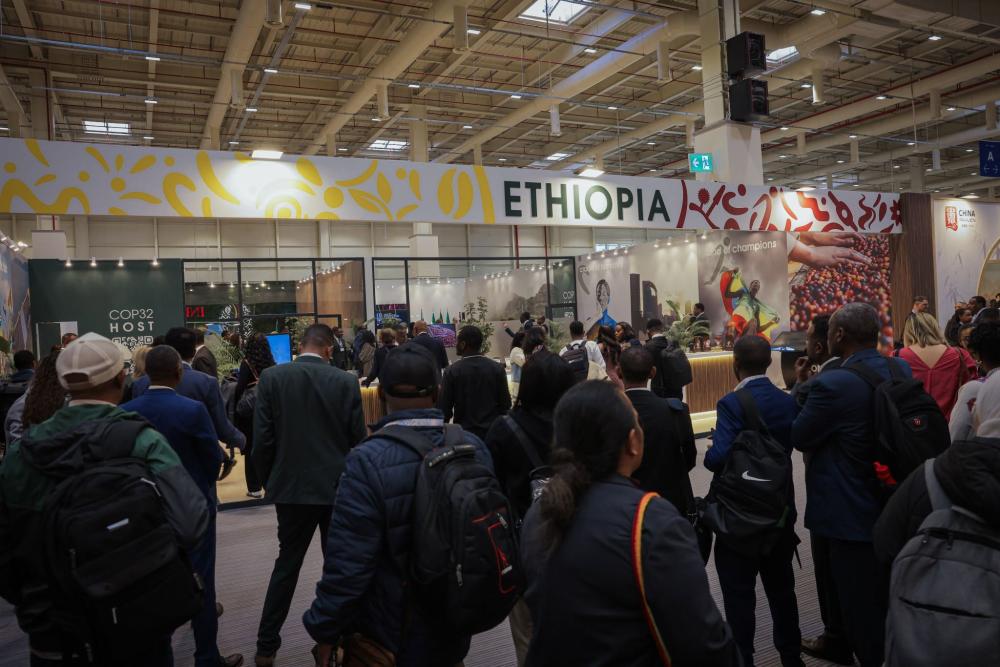
The Ethiopia Pavilion is functioning as a strategic platform for dialogue and partnership-building. It offers international delegates an early glimpse of Ethiopia’s logistical preparations, climate initiatives, and hospitality capacity ahead of 2027.
Operational Readiness: Lessons Learned & Logistical Planning
Beyond diplomacy, the Ethiopian delegation is treating COP31 as a hands-on learning laboratory. Minister Gedion reported “considerable progress” in preparations, citing:
- Advance Planning & Dedicated Teams: Early establishment of operational structures.
- Institutional Memory: Drawing lessons from previous COP hosts to avoid logistical bottlenecks.
- Practical Activities: Launching on-the-ground initiatives well ahead of the 2027 deadline.
The delegation is gaining firsthand experience of the operational, logistical, and organizational demands required to host a major UNFCCC conference.
Acknowledging Global Support
The Minister expressed appreciation to the COP30 Presidency (Brazil) and the UNFCCC Secretariat for facilitating experience-sharing and knowledge transfer. He described this support as instrumental in strengthening Ethiopia’s readiness to deliver a successful conference in Addis Ababa.
Looking Ahead: The Road to COP32 Addis Ababa
As the first Horn of Africa nation to host a UN Climate Summit, Ethiopia faces high expectations to deliver an “African COP” that translates negotiation text into tangible support for adaptation, resilience, and green industrialization.
The signals from Antalya suggest a presidency design focused on inclusivity, transparency, and LDC leadership—setting the stage for a pivotal moment in global climate diplomacy in November 2027.
