




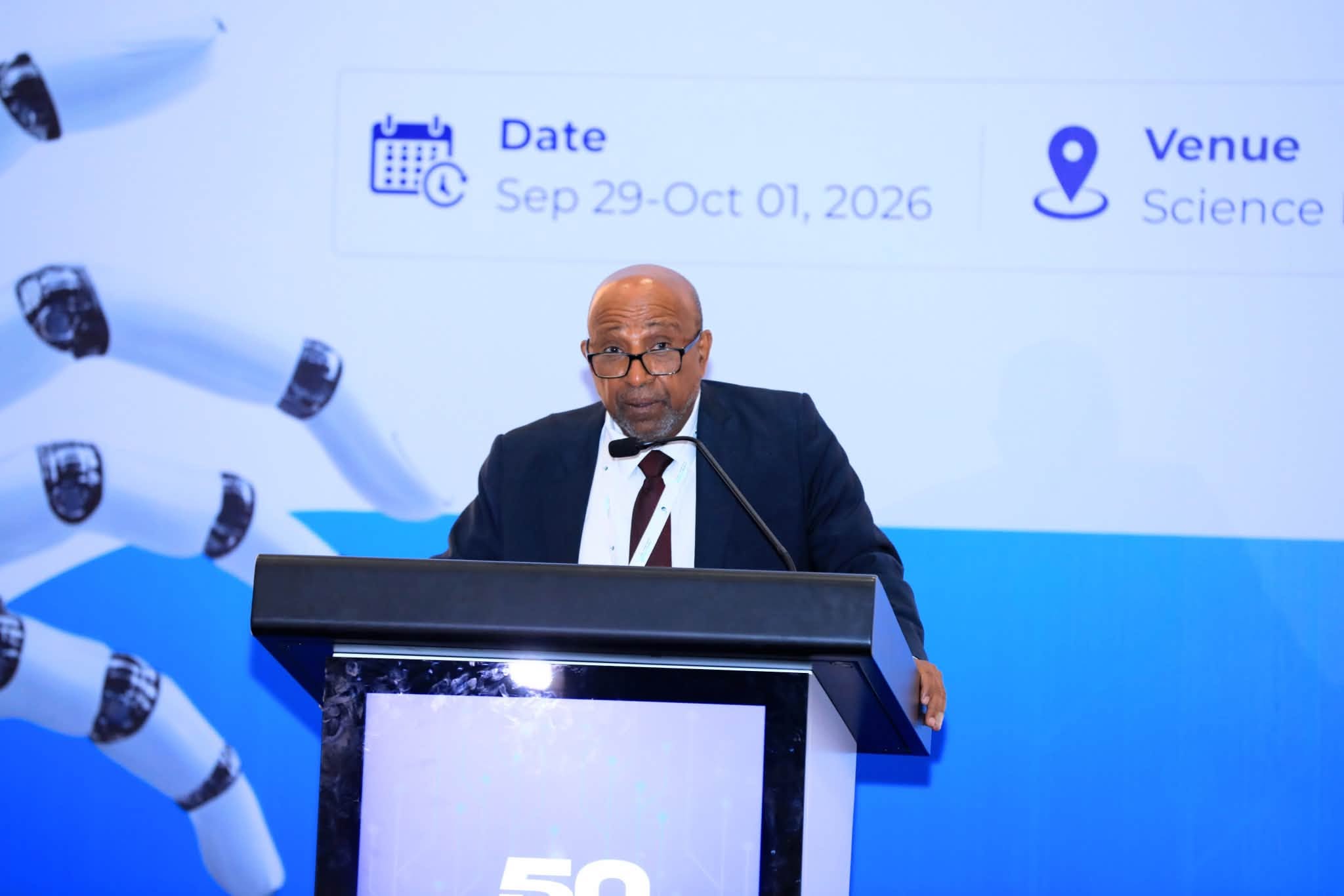
Ethiopia Accelerates Digital Transformation in Higher Education with AI, Micro-Credentials, and Data-Driven Systems
Addis Ababa, September 29, 2026 (ENA) — Ethiopia is undertaking a sweeping digital transformation across higher education institutions, formally integrating online, blended, and micro-credential learning modalities into the national education system. The announcement was made by Education Minister Berhanu Nega during his keynote address at the STRIDE Ethiopia 2.0 Summit 2026.
The Minister emphasized that while Ethiopia has made significant strides in digital infrastructure and legal frameworks, the critical next step is developing the human capacity required to translate these technological advances into tangible economic and social benefits.
Redefining Access: Online, Blended, and Micro-Credential Learning
The reform moves beyond pilot projects, implementing digital learning on a broad national scale. This shift enables university lecturers and students to leverage flexible learning pathways previously unavailable in traditional campus-centric models.
Breaking the Campus Barrier
Minister Berhanu highlighted that the expansion of digital learning creates opportunities for students to acquire knowledge and skills beyond physical classroom constraints. This is particularly vital for a country seeking to massively scale higher education access without proportional bricks-and-mortar investment.
The Rise of Micro-Credentials
A cornerstone of this strategy is the adoption of micro-credentials—short, certified courses validating specific competencies. This approach aligns with global OECD trends toward modular, stackable learning, allowing students and professionals to upskill rapidly in response to labor market demands.
Building Digital Literacy for the Information Age
Recognizing that access alone is insufficient, the Ministry is prioritizing digital literacy for both students and educators. The goal is to move beyond basic tool usage toward higher-order competencies: searching, evaluating, creating information, and applying technology effectively for education and professional work.
Artificial Intelligence: Augmenting Educators, Not Replacing Them
In a significant policy clarification, Minister Berhanu announced the formal integration of Artificial Intelligence (AI) into the education system. The strategy positions AI as a force multiplier for teaching staff.
AI as a Pedagogical Assistant
Teachers are being supported to deploy AI tools across the instructional lifecycle:
- Lesson Preparation & Content Development: Generating adaptable learning materials.
- Student Support: Personalized tutoring and early-warning systems for at-risk learners.
- Assessment: Autom
