




Meta Title: Ethiopia’s Red Sea Access: Geopolitical Shifts, Security Threats & Strategic Imperatives
Meta Description: Analyzing the shifting Red Sea geopolitics: How US policy shifts, Ethiopia’s maritime ambitions, and the Egypt-Somalia-Eritrea alignment are reshaping Horn of Africa security.
Focus Keyword: Ethiopia Red Sea access
Slug: ethiopia-red-sea-access-geopolitics-security
Ethiopia’s Red Sea Access: Navigating Geopolitical Shifts and Hybrid Threats in the Horn of Africa
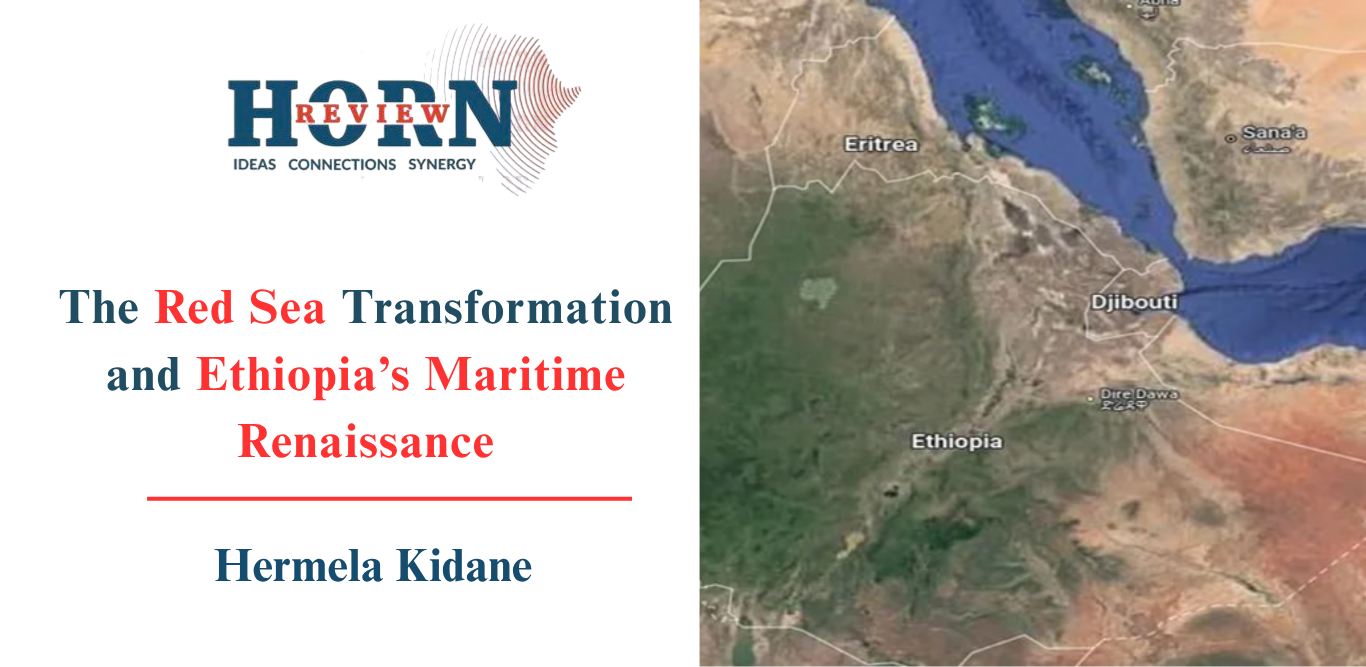
The geopolitical architecture of the Horn of Africa is undergoing a profound transformation. Driven by a recalibration of United States foreign policy, Ethiopia’s determined pursuit of sovereign maritime access, and the reactive formation of counter-coalitions, the security architecture of the Red Sea is being rewritten. For Africa’s second-most populous nation, understanding this shift is not merely a matter of foreign policy—it is a question of national survival and rightful standing in the international order.
The Catalyst: US Policy Recalibration from Pressure to Partnership
For years, the primary instrument of US engagement in the region was coercive diplomacy—sanctions, political isolation, and conditional aid. That era is effectively ending. A new realism has taken hold in Washington, driven by the necessity of securing the Bab el-Mandeb strait against sustained Houthi attacks that threaten global commerce and military projection.
Key indicators of this strategic pivot include:
- Sanctions Relief: The initiated process to lift sanctions on Eritrea, removing a key obstacle to regional dialogue.
- Structured Dialogue: The establishment of the Framework for U.S. and Ethiopian Dialogue, signaling a shift toward treating Addis Ababa as a strategic partner rather than an object of pressure.
This recalibration acknowledges Ethiopia’s role as the demographic and political anchor of the region. Stability in the Red Sea corridor increasingly requires the constructive participation of its largest state.
Ethiopia’s Maritime Ambition: Correcting a Historical Anomaly
Ethiopia’s ambition to rebuild its naval forces and secure sovereign port access is no longer dismissed as a destabilizing irredentist claim. Instead, it is increasingly viewed through a lens of structural necessity. With a population exceeding 130 million, Ethiopia remains the most populous landlocked country globally—a geopolitical anomaly that constrains its economic sovereignty.
This vision is gaining international traction through a multi-pillar support structure:
- Diplomatic Backing: Explicit US support for legitimate maritime access.
- Financial Investment: Infrastructure funding from partners like the United Arab Emirates (UAE).
- Technical Cooperation: Naval capacity building and technical assistance from nations including France.
When integrated into a coherent regional security framework, Ethiopia’s maritime emergence offers a pillar for stability rather than a source of disruption.
The Counter-Alignment: The Egypt-Somalia-Eritrea Axis
This progress has triggered a distinct reactive alignment. As Houthi activity eroded existing security arrangements, Saudi Arabia unveiled plans for a multinational maritime defense coalition slated for 2026.
However, a more pointed development is the explicit alignment of Egypt, Somalia, and Eritrea. This grouping functions as a direct counterweight to Ethiopia’s Memorandum of Understanding (MoU) with Somaliland.
- Military Positioning: Egypt has pursued a policy of deploying forces closer to Somalia, creating a strategic “vise” aimed at Ethiopia’s southern approaches.
- Diplomatic Offensive: The tripartite alliance seeks to preserve established patterns of influence over the vital waterway, framing Ethiopia’s sovereign agreements as existential threats.
From a traditional geopolitical standpoint, the anxiety of established Red Sea powers is intelligible. Yet, the strategies proposed in response—documented in Arab strategic circles by analysts such as Dr. Mohammed Hasab Al-Rasool—urge a move beyond diplomacy toward asymmetric and hybrid conflict.
The Hybrid Threat Landscape: Vectors Targeting Ethiopian Sovereignty
The response to Ethiopia’s rise is not limited to conventional military posturing. Analysis indicates a multi-domain campaign designed to dismantle Ethiopia’s capacity to project power externally by fracturing it internally.
1. Weaponization of Internal Fault Lines
Recognizing the impracticality of direct conventional war, external actors may seek to exploit Ethiopia’s ethnic and political complexities. The objective: induce chronic internal discord, converting the nation’s diversity from a source of resilience into a strategic vulnerability that consumes bandwidth and resources.
2. Hybrid Warfare Against National Sinews
This vector targets the infrastructure of state power:
- Cyber Operations: Targeting critical infrastructure—banking systems, airline operations, and the power grid.
- Economic Strangulation: Obstructing assistance from International Financial Institutions (IFIs) and engineering foreign currency shortages to erode the state’s ability to fund defense and development.
- Social Engineering: Generating manufactured public discontent to delegitimize the government.
3. Strategic Sabotage and Espionage
High-value assets are prime targets for kinetic and non-kinetic neutralization:
- The Grand Ethiopian Renaissance Dam (GERD).
- Emerging naval infrastructure and port facilities.
- Communications and command-and-control networks.
4. Information Warfare and Diplomatic Isolation
Complementary campaigns aim to frame Ethiopia’s legitimate ambitions as aggression, isolating Addis Ababa from new partners (UAE, France, US) and locking it out of emerging Red Sea security architectures.
The Strategic Paradox: Stability Through Inclusion vs. Stability Through Exclusion
A fundamental contradiction underpins the opposition to Ethiopia’s maritime access. Critics argue that an Ethiopian naval presence endangers global supply chains. Simultaneously, the proposed hybrid strategies—sabotage, economic warfare, internal destabilization—guarantee the very instability they claim to prevent.
A stable Horn of Africa cannot be built on the permanent exclusion of its largest nation.
Ethiopia’s emergence as a responsible maritime actor—securing its own trade routes, contributing to anti-piracy efforts, and partnering in Red Sea security—is a potential pillar of regional order. The narrative that Addis Ababa acts merely as a proxy for external powers (whether the UAE, US, or others) is reductive; it denies Ethiopian agency and the sovereign logic of a nation seeking economic egress.
Ethiopia’s Strategic Imperative: Resilience, Sovereignty, and Diplomacy
Navigating this environment requires a doctrine of comprehensive national defense built on three pillars:
A. Internal Resilience: The Foundation of Deterrence
- National Unity & Inclusive Governance: Closing the political space exploited by hybrid actors.
- Shared Development: Ensuring equitable growth reduces the recruitment pool for destabilization.
- Social Cohesion: Treating diversity as a strategic asset, not a liability.
B. Hardening the Sinews of Power
- Cyber Sovereignty: Massive investment in defensive cyber capabilities to protect critical infrastructure (banking, energy, aviation).
- Economic Diversification: Reducing reliance on single financial channels or partners vulnerable to political coercion.
- Critical Asset Protection: Dedicated counter-intelligence and physical security units for GERD, naval bases, and logistics corridors.
C. Proactive Diplomatic Architecture
- Broad-Based Partnerships: Deepening ties with the US, UAE, France, Turkey, and regional neighbors (Kenya, Djibouti, Sudan, South Sudan) beyond the Red Sea corridor.
- Narrative Ownership: Articulating a clear vision: Ethiopia’s sea access = Regional Prosperity, not regional hegemony.
- Institutional Engagement: Leading the conversation on a new Red Sea Security Architecture that includes all littoral states on equal footing.
Conclusion: A Historical Test and a Historic Opportunity
The evolving alignment along the Red Sea constitutes a historical test for Ethiopia. It is a convergence of great power competition, regional rivalry, and existential national interest.
The path ahead is fraught with hybrid threats and diplomatic friction. However, the structural logic favors Ethiopia: a nation of 130 million people with a functioning state, a growing economy, and a legitimate claim to the sea cannot be permanently contained. By prioritizing internal cohesion, technological sovereignty, and strategic clarity, Ethiopia can transcend its landlocked geography—not as a disruptor, but as the indispensable stabilizer of the Horn of Africa.
Tags: Ethiopia Red Sea access, Horn of Africa geopolitics, Ethiopia maritime strategy, Red Sea security, Hybrid warfare Ethiopia, Egypt Somalia Eritrea alliance, US Africa policy, Grand Ethiopian Renaissance Dam security.
