




Meta Title: Ethiopia Livestock Exports Surge 35% to $128.3M in 2025/26 | Sector Targets $1B Potential
Meta Description: Ethiopia earned $128.3M from livestock exports in the 2025/26 fiscal year, a 35% jump. Discover the government’s plan to hit $250M next year by fixing abattoir capacity and supply chain gaps.
Focus Keyword: Ethiopia livestock exports
Slug: ethiopia-livestock-exports-surge-2025-26
Ethiopia’s livestock export sector recorded a significant milestone in the 2025/26 fiscal year, generating USD 128.3 million in revenue. This figure represents a 35 percent increase compared to the approximately USD 95 million earned in previous years, according to official data released by the Livestock Development Institute (LDI).
While the growth trajectory is promising, industry leaders emphasize that the current performance barely scratches the surface of the country’s vast potential.
Sector Potential: Targeting the USD 1 Billion Mark
Speaking at a high-level linkage negotiation and contract signing forum, LDI Director General Asrat Tera highlighted a stark contrast between current earnings and theoretical capacity.
“The growth demonstrates the sector’s potential but remains well below what Ethiopia could generate from its livestock resources. Annual export earnings could reach at least USD 1 billion if existing challenges are addressed,” Asrat stated.
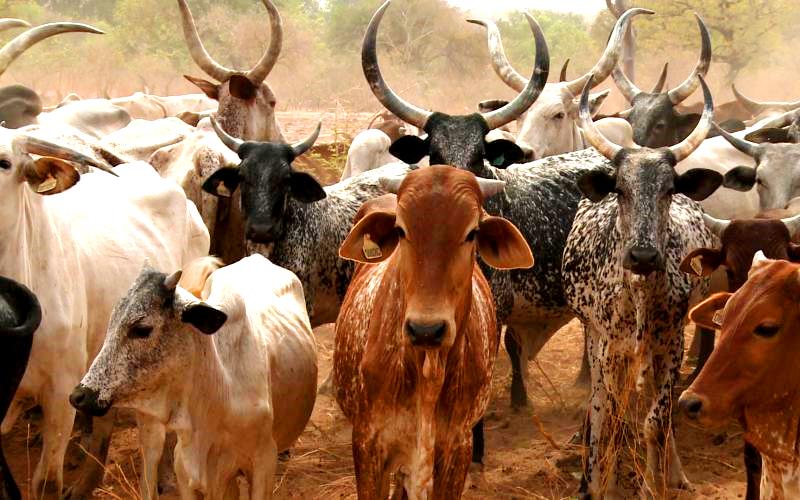
Ethiopia boasts the largest livestock population in Africa, estimated at over 70 million cattle, 42 million sheep, and 52 million goats, according to the Food and Agriculture Organization (FAO). Despite this comparative advantage, structural bottlenecks have historically prevented the sector from converting herd size into export value.
Abattoir Capacity Crisis: Operating at 10 Percent
A critical constraint identified by the LDI is the severe underutilization of processing infrastructure. Ethiopia’s 12 export-standard abattoirs possess a combined production capacity of 200,000 metric tons annually. However, they are currently operating at a mere 10 percent capacity.
This inefficiency represents a massive loss of potential revenue and employment. To reverse this trend, the government has set an ambitious target for the 2026/27 fiscal year:
- Capacity Utilization Goal: Increase from 10% to 50%.
- Export Volume Target: ~46,000 metric tons of meat and meat products.
- Revenue Target: Over USD 250 million (nearly doubling the 2025/26 performance).
Achieving this requires a fundamental overhaul of the supply chain feeding these facilities.
Root Cause: Inconsistent Livestock Supply
Asrat Tera pinpointed inadequate and inconsistent livestock supply as the primary bottleneck throttling abattoir throughput. The current supply chain is fragmented, characterized by long chains of intermediaries, poor animal conditioning (finishing), and logistical hurdles moving animals from pastoralist lowlands to processing plants often located near Addis Ababa.
The solution, according to the Institute, rests on two pillars:
- Improved Supply Chain Management: Better logistics, cold chain infrastructure, and market information systems.
- Stronger Commercial Relationships: Formalizing linkages between pastoralists, livestock traders, and export abattoirs to ensure consistent quality and volume.
Government Intervention: Field Teams & Direct Trade Pilots
Recognizing that policy alone is insufficient, the LDI has deployed three field support teams to key livestock-producing corridors. These teams are operating in the Somali Region, South Ethiopia Regional State, southern Oromia, and the Afar Region.
Their mandate is hands-on: working directly with stakeholders on livestock production, aggregation, and marketing to bridge the gap between the rangeland and the abattoir gate.
Pilot Program: Cutting Out Middlemen
A pivotal development announced at the forum is a pilot arrangement facilitated by the Ethiopian Meat Producers and Exporters Association (EMPEA).
EMPEA President Kelifa Hussein explained that the pilot enables livestock suppliers in the Somali Region and Borana Zone to deliver animals directly to export abattoirs.
“Reducing unnecessary intermediaries could lower transaction costs, improve competitiveness, and increase the economic benefits received by livestock traders and pastoralists,” Kelifa noted.
The association plans to rigorously assess the pilot’s impact on pricing, quality, and throughput, with intentions to scale the model through dedicated logistics and financing support.
Forum Outcomes: Binding Market Linkages
The negotiation forum was not merely consultative; it resulted in actionable commitments. Participants—including export abattoir operators and livestock traders’ associations from the Somali Region and Borena Zone—signed formal agreements.
These contracts aim to institutionalize direct market linkages, providing abattoirs with the supply security needed to ramp up production lines and giving pastoralists a reliable, transparent market outlet.
The Road Ahead: From Potential to Performance
Ethiopia’s livestock sector stands at a crossroads. The 35% revenue growth in 2025/26 proves that targeted interventions yield results. However, bridging the gap from USD 128 million to the USD 1 billion potential requires solving the “last mile” problem: getting healthy, market-ready animals from the vast pastoralist hinterlands into underutilized, world-class processing facilities.
The combination of state-led field deployment, private sector-led direct trade pilots, and binding contractual frameworks suggests a coordinated strategy finally taking shape. If the 2026/27 target of 50% capacity utilization is met, Ethiopia will cement its status as a premier protein exporter in the Red Sea and Middle Eastern markets.
Source: Ethiopian News Agency
