




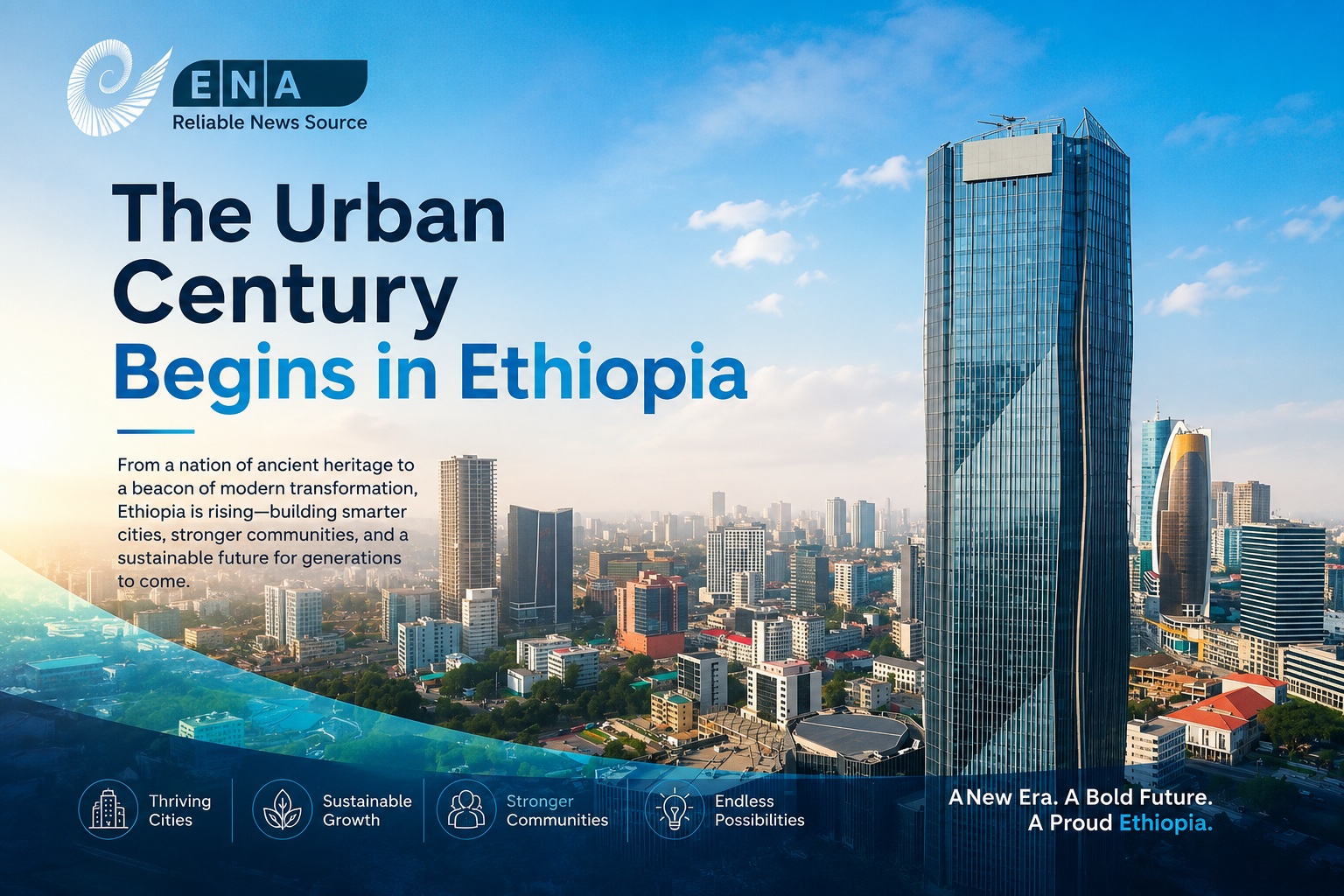
Ethiopia’s Rapid Urban Transformation: From Rural Heartland to Modern Metropolises
Focus Keyword: Ethiopia urban transformation
Introduction
For most of its history, Ethiopia was defined by its fertile highlands, vast pastoral lands, and small‑holder farmers who formed the backbone of the economy, culture, and local governance. Until the early 2000s, the country was overwhelmingly rural, with cities serving mainly as administrative hubs and market towns. Today, a sweeping urban transformation is reshaping the nation’s physical landscape, economic base, and social fabric.
1. From Rural Dominance to Emerging Urban Powerhouses
1.1 Historical context – a largely agrarian nation
- 2000: Only ≈ 14 % of Ethiopians lived in urban areas (World Bank).
- Agriculture contributed nearly 50 % of GDP and employed the majority of the labor force, making farming not just an economic activity but a way of life.
1.2 Early‑2000s urban picture
- Addis Ababa: ~2.7 million residents, dominated by traditional compounds, aging public housing, and informal settlements.
- Secondary cities: Hawassa (≈ 188 k), Bahir Dar (≈ 180 k), and others such as Adama, Jimma, Dire Dawa, Mekelle, and Jigjiga functioned mainly as administrative or agricultural trade centres.
Source: World Bank – Urban Population in Ethiopia
1.3 The turning point after 2010
Policymakers began to view cities as engines of industrialisation, job creation, and investment. Massive public spending was directed toward:
- Transport corridors (roads, railways, ports)
- Industrial parks (e.g., Hawassa, Dire Dawa, Kombolcha)
- Housing, electricity, telecom, and logistics
These investments set the stage for an unprecedented urban surge.
2. The Scale of Ethiopia’s Urban Growth
| Year | Urban Population (million) | Growth Rate (annual) |
|---|---|---|
| 2010 | 13.0 | – |
| 2020 | 20.5 | ≈ 4 % |
| 2024 (mid‑2020s) | > 26 | > 4 % |
Result: Ethiopia is now one of Africa’s fastest‑urbanising economies, with the urban share climbing from < 15 % in 2000 to ≈ 30 % in the mid‑2020s.
3. Spotlight on Key Cities
3.1 Addis Ababa – the flagship of change
Land‑use studies reveal that former farmland and low‑density settlements have morphed into dense residential blocks, commercial centres, industrial zones, and modern transport corridors. The eastern districts (Bole, Yeka, Ayat, Summit, Lemi Kura) have expanded most rapidly, driven by new housing projects, malls, and infrastructure upgrades.
3.2 Secondary cities on the rise
| City | 2000 Population | 2024 Approx. | Main Growth Drivers |
|---|---|---|---|
| Hawassa | 188 k | 570 k | Hawassa Industrial Park, tourism, education |
| Adama | 240 k | 480 k | Logistics hub, railway junction |
| Bahir Dar | 180 k | 420 k | Tourism, university, trade |
| Dire Dawa | 315 k | 620 k | Trade gateway, new industrial park |
| Mekelle | 350 k | 680 k | Manufacturing, services |
These cities now host modern housing estates, industrial parks, and upgraded road networks, shifting their role from administrative outposts to dynamic economic engines.
4. Corridor Development – The Blueprint Behind the Transformation
4.1 What are urban corridors?
Ethiopia’s Corridor Development Program operates on two layers:
- Transport & trade corridors linking the country to regional and global markets (e.g., the Ethio‑Djibouti Corridor).
- Urban transformation corridors that modernise city streetscapes, create green public spaces, and stimulate local economies.
Reference: African Development Bank – Ethiopia’s Corridor Strategy
4.2 Major transport corridors
- Ethio‑Djibouti Corridor: Core trade artery, anchored by the Addis Ababa–Djibouti Railway and a highway network that moves the bulk of Ethiopia’s imports and exports to the Port of Djibouti.
- Berbera Corridor (via Somaliland) and Lamu Port–South Sudan–Ethiopia Transport Corridor: Diversify market access, enhance resilience, and reinforce regional integration.
4.3 Urban corridors in action
- Addis Ababa: Renovated corridors such as Torhayloch‑Mexico, Piassa, Arat Kilo, Megenagna, Kazanchis, Bole, Sar Bet, and Merkato feature widened roads, upgraded utilities, pedestrian‑friendly designs, cycling lanes, and landscaped plazas.
- Regional hubs: Adama, Bishoftu, Hawassa, Dire Dawa, Gondar, Jimma, Dessie, and many others have launched similar projects, turning congested streets into vibrant economic and social spaces.
Example of a successful corridor: The Addis Ababa–Bishoftu Corridor, which now hosts a cluster of manufacturing facilities, logistics centres, and residential developments, attracting both domestic and foreign investment.
5. Economic Impact of the Urban & Corridor Push
- Industrial output: New parks and improved logistics have lifted manufacturing’s share of GDP from ≈ 10 % (2010) to over 15 % (2024).
- Job creation: Thousands of jobs have been generated in construction, manufacturing, services, and ICT along the corridors.
- Investment influx: The World Bank reports that Ethiopia’s foreign direct investment (FDI) inflows have risen from US$ 1.2 bn (2015) to ≈ US$ 2.8 bn (2023), with a large share directed toward urban and industrial projects.
Source: UN‑Habitat – Urbanization and Sustainable Development in Ethiopia
6. Challenges Ahead
- Inclusive growth: Ensuring that low‑income households benefit from new jobs, affordable housing, and improved services.
- Sustainable planning: Integrating green infrastructure, water management, and climate‑resilient design to avoid urban sprawl and environmental degradation.
- Governance capacity: Strengthening municipal resources and technical expertise to manage rapid expansion and maintain service delivery.
7. Outlook – Ethiopia as a Model of Africa’s Urban‑Led Development
Ethiopia’s urban transformation illustrates how strategic infrastructure investment, corridor‑focused planning, and a shift toward industrialisation can convert a predominantly rural nation into a network of thriving cities. If managed responsibly, this trajectory can deliver:
- Competitive, livable cities that attract talent and capital.
- Stronger regional economies linked by modern transport corridors.
- A prosperous, inclusive future positioning Ethiopia among Africa’s urban development leaders in the 21st century.
Related Reading
- World Bank – Ethiopia Urbanization Review 2022
- African Development Bank – Ethiopia’s Industrial Parks
- UN‑Habitat – Sustainable Cities in Africa
Keywords for SEO: Ethiopia urban transformation, Ethiopian cities growth, Addis Ababa corridor development, Ethiopian industrial parks, urbanisation in Ethiopia, Ethiopia transport corridors, Ethiopia economic development, African urban development.
