




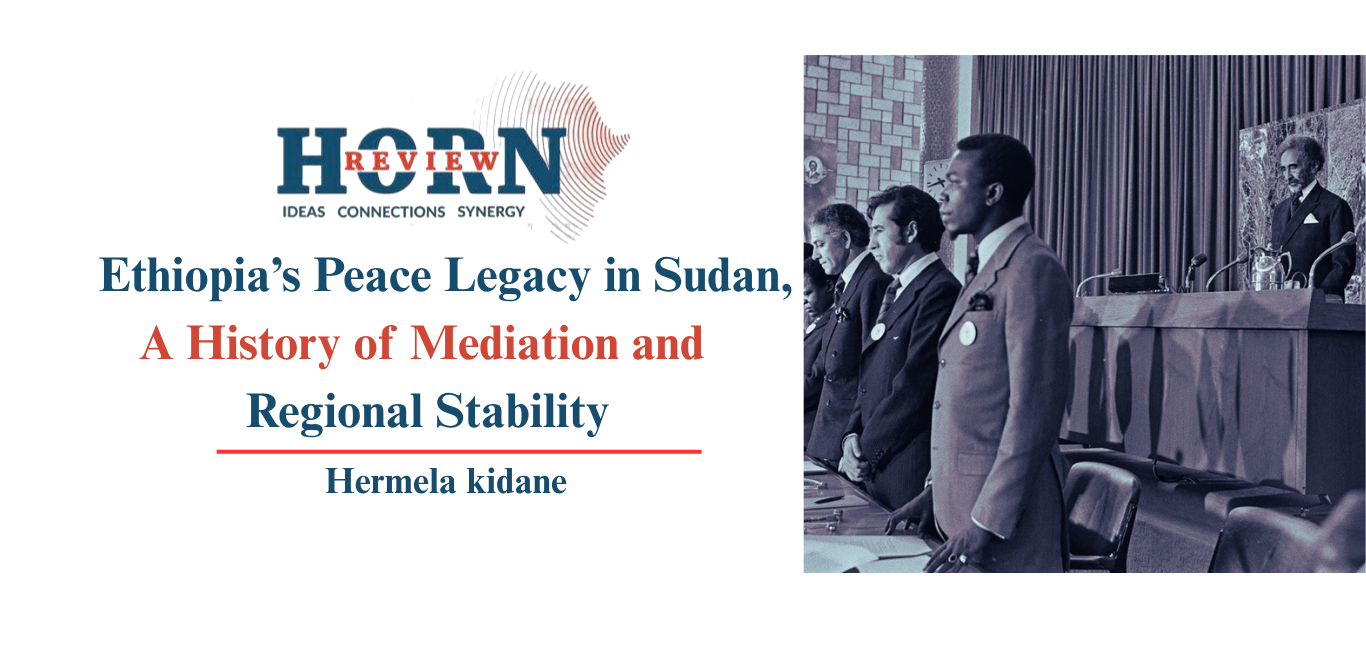
Ethiopia‑Sudan Peace Relations: A Century‑Long Journey of Mediation and Cooperation
Focus Keyword: Ethiopia Sudan peace
Introduction
The Horn of Africa’s most intricate partnership is the one between Ethiopia and Sudan. Sharing a long land border, the Nile‑River basin, and centuries of intertwined history, the two countries have repeatedly found their destinies linked whenever Sudan slips into political turmoil or armed conflict. From Emperor Haile Selassie’s 1972 peace talks to Prime Minister Abiy Ahmed’s 2023 diplomatic outreach, Ethiopia has constantly positioned itself at the heart of Sudan’s peace processes. This persistent involvement is driven not only by neighbourly concern but by a strategic understanding that Sudan’s stability is essential for the security of the entire Horn of Africa.
Why Sudan’s Peace Matters to Ethiopia
- Shared River Systems – The Blue and White Niles originate in Ethiopia and flow through Sudan, making water security a mutual interest.
- Border Dynamics – A 1,600 km porous frontier facilitates the movement of refugees, armed groups, and illicit trade.
- Regional Spill‑over – Collapse in Sudan risks regional refugee flows, weapons proliferation, and economic disruption that would directly affect Ethiopia’s own stability.
“When Sudan falls, the whole Horn feels the shock.” – Regional security analysts
Historical Milestones of Ethiopian Mediation
1. The 1972 Addis Ababa Agreement
- Background – Sudan’s first civil war (1955‑1972) pitted Khartoum against the southern Anya Nya movement, driven by political, regional, and identity grievances.
- Ethiopian Role – Emperor Haile Selassie offered Addis Ababa as neutral ground and personally guaranteed the safety of southern fighters – a promise the rebels demanded before signing any deal.
- Outcome – The February 27, 1972 agreement granted regional autonomy to the South and integrated former rebels into the national army, laying the foundation for Sudan’s first major peace settlement.
Read more about the agreement on the Addis Ababa Peace Archive.
2. Ethiopia’s Involvement During the Derg (1974‑1991)
- Reciprocal Interference – Both regimes covertly supported each other’s insurgents, yet the Derg never abandoned the principle that frontier stability served mutual interests.
- Addis‑Ababa Talks – In the late 1980s, the Derg hosted negotiations between the Sudanese government and the SPLM/A, using diplomatic leverage to push for a ceasefire despite ideological differences.
Further details can be found at Horn Review – Derg Era Diplomacy.
3. IGAD and the 2005 Comprehensive Peace Agreement (CPA)
- Founding Member – Ethiopia was a key architect of the Intergovernmental Authority on Development (IGAD), the regional bloc that steered Sudan’s peace talks throughout the 1990s and early 2000s.
- Hands‑On Mediation – Under Prime Minister Meles Zenawi, Ethiopia facilitated continuous dialogue between Khartoum and the SPLM, culminating in the 2005 CPA, which ended 21 years of civil war.
Explore IGAD’s role in the CPA UN Peacemaking Archive.
4. The Abyei Demilitarisation (2011)
- Post‑Independence Tension – When South Sudan seceded on July 9, 2011, the oil‑rich Abyei region became a flashpoint. Sudanese forces occupied Abyei, displacing tens of thousands.
- Ethiopian‑Brokered Deal – Addis Ababa mediated a demilitarisation agreement on June 20, 2011, prompting the UN Security Council to establish UNISFA (United Nations Interim Security Force for Abyei). Ethiopia supplied the majority of troops, earning the trust of both Sudan and South Sudan as a neutral peacekeeper.
UNISFA’s mandate explained UN Peacekeeping.
5. Sudan’s 2019 Transition Crisis
- Power Vacuum – After the ouster of Omar al‑Bashir, Sudan faced a deadlock between the Transitional Military Council and the civilian protest coalition.
- Ethiopian Intervention – Prime Minister Abiy Ahmed arrived in Khartoum on June 7, 2019, proposing a 15‑member transitional council (8 civilians, 7 military). Ethiopia appointed a special envoy to work alongside an African Union representative.
- Result – Though not an immediate solution, the framework paved the way for the August 2019 power‑sharing agreement, establishing a three‑year Sovereign Council and a civilian‑led cabinet.
Full timeline of Sudan’s 2019 transition Al‑Jazeera Africa.
6. The 2023 Sudan Civil War & the Ethiopian‑Led Quartet
- Conflict Escalation – Fighting between Sudan’s Rapid Support Forces and the Sudanese Armed Forces erupted in 2023, threatening regional security.
- IGAD Mediation Roadmap – Ethiopia helped craft a Quartet (Djibouti, Ethiopia, Kenya, South Sudan) and hosted its inaugural meeting in Addis Ababa, reaffirming Ethiopia’s role as a diplomatic hub.
- Port Sudan Visit – On July 9, 2023, Prime Minister Abiy Ahmed became the first foreign head of government to visit the wartime capital, signalling Ethiopia’s willingness to engage even under the most hazardous conditions.
Read the Quartet’s statements IGAD Press Release.
Lessons from a Century of Mediation
| Period | Key Ethiopian Action | Impact on Sudan |
|---|---|---|
| 1970s | Hosted Addis Ababa talks; personal guarantee by Selassie | Ended first civil war, set precedent for neutral mediation |
| 1980s‑1990s | Facilitated SPLM/Khartoum talks; IGAD founding | Laid groundwork for 2005 CPA |
| 2000s | Supported ICC‑mandated demilitarisation of Abyei | Prevented wider conflict between Sudan & South Sudan |
| 2019 | Proposed transitional council; envoy deployment | Enabled power‑sharing deal, albeit fragile |
| 2023 | Led Quartet; diplomatic outreach to Port Sudan | Kept regional dialogue alive amid full‑scale war |
These episodes illustrate a consistent pattern: Ethiopia blends geopolitical self‑interest with a genuine commitment to regional peace, leveraging both quiet diplomacy and visible diplomatic leadership.
How Ethiopia’s Mediation Benefits the Horn of Africa
- Preventing Refugee Cascades – Early peace efforts curb large‑scale displacement that would otherwise strain Ethiopia’s resources.
- Containing Armed Group Spill‑over – Neutral peacekeeping (e.g., UNISFA) stops rebel movements from crossing borders.
- Safeguarding Water Security – Stable relations ensure cooperative management of the Nile’s headwaters.
- Economic Stability – Trade routes through Port Sudan remain functional, supporting Ethiopia’s export‑oriented economy.
Conclusion
From Haile Selassie’s personal pledge in 1972 to Abiy Ahmed’s 2023 diplomatic outreach, Ethiopia has repeatedly positioned itself as the steady hand guiding Sudan toward dialogue and reconciliation. This legacy is not accidental; it stems from a strategic calculus that Sudan’s peace equals Ethiopia’s security. By consistently offering neutral venues, trustworthy guarantees, and regional leadership through IGAD, Ethiopia has become an indispensable mediator in the Horn of Africa.
As Sudan continues to grapple with internal conflict, the Ethiopian commitment to peace—backed by decades of diplomatic experience—remains a vital pillar for a stable and prosperous Horn.
For further reading on the Ethiopia‑Sudan peace partnership, explore:
- Horn Review – Ethiopia’s Role in Sudanese Negotiations (2025)
- International Crisis Group – Sudan Conflict Analysis (2024)
Keywords used for SEO: Ethiopia Sudan peace, Addis Ababa Agreement, IGAD mediation, Sudan civil war 2023, UNISFA, Sudan transitional council, Abyei demilitarisation, Horn of Africa stability.
