




Meta Title: Invasive Hedge Plants in Kenya: The Hidden Threat to Biodiversity & Agriculture | Study Reveals Alarming Spread
Meta Description: New research reveals popular live fence plants like Lantana camara and Mexican Sunflower are invasive species costing Africa billions. Discover the ecological and economic dangers and native alternatives for Kenyan farmers.
Focus Keyphrase: Invasive hedge plants Kenya
Slug: invasive-hedge-plants-kenya-threat-biodiversity-agriculture
The shrubs and flowering plants lining the boundaries of homes, schools, and farms across Kenya may appear harmless—even beautiful—but a groundbreaking study reveals they are silently fueling an ecological crisis. New research published in the African Journal of Ecology has identified that the vast majority of plants used for live fencing in East Africa are non-native invasive species escaping cultivation to devastate natural ecosystems, grazing lands, and agricultural productivity.
The Silent Invasion: How Live Fences Became Ecological Trojan Horses
For decades, Kenyan landowners have favored fast-growing, dense, evergreen shrubs for boundary marking. Species like Lantana camara (tick berry), Mexican sunflower (Tithonia diversifolia), prickly pear cactus (Opuntia ficus-indica), yellow oleander (Cascabela thevetia), and Kei apple (Dovyalis afra) have been the go-to choices for “living fences.”
However, a comprehensive survey of roadside vegetation across Kenya, Ethiopia, Rwanda, Tanzania, and Uganda recorded 54 non-native hedge plant species. The findings are alarming: over 80% of these species are alien to Africa, and more than 70% are classified as invasive.
“The ideal hedge is dense, fast-growing, and long-lived. It tolerates a wide range of environmental conditions and is often resistant to pests and diseases. Unfortunately, these are the exact same characteristics that enable invasive species to spread aggressively,”
— Dr. Arne Witt, Senior Author of the Study & Invasives Coordinator, CABI
The Economic Toll: A Multi-Trillion Shilling Burden
The financial impact of these “garden escapees” is staggering. The study estimates that invasive species cost Africa’s agricultural sector approximately Sh8.5 trillion (USD 65.58 billion) annually. These losses stem from:
- Drastically reduced crop and livestock yields.
- Degradation of prime grazing land.
- Skyrocketing management and control costs for farmers and government agencies.
According to the National Environment Management Authority (NEMA), invasives are clogging waterways, degrading wetlands, reducing pasture productivity, and inflating the cost of natural resource management across the country.
Kenya’s “Dirty Dozen”: The Worst Offenders in Your Fence
Kenya has recorded over 100 invasive alien species, listed among the top five drivers of biodiversity loss in the Kenya National Biodiversity Strategy and Action Plan (2022–2032). The study highlights several hedge favorites that are now primary antagonists:
1. Lantana Camara (Tick Berry / Common Lantana)
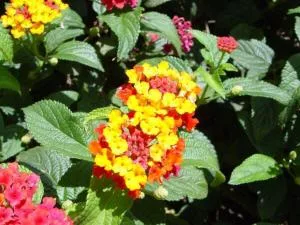
Perhaps the most ubiquitous, Lantana camara forms impenetrable thickets in forests, roadsides, and rangelands. It suppresses native vegetation through allelopathy (chemical warfare) and dense shading. Critically, its green leaves and unripe berries are toxic to humans and livestock, causing liver failure and photosensitization in cattle, goats, and sheep.
Dr. Witt notes: “Lantana is a problematic invasive species in Africa, and it is widespread. It crowds out agricultural and grazing land… and is very difficult to remove manually or chemically.”
2. Mathenge (Prosopis juliflora)
Introduced for shade and fodder in arid regions, Prosopis juliflora has become a nightmare in counties like Baringo, Tana River, and Turkana. Its deep taproots deplete groundwater, while thorny thickets block access to water points and render vast tracts of pastoral land unusable.
3. Water Hyacinth (Eichhornia crassipes)
While not a hedge plant, Water Hyacinth exemplifies the economic devastation of invasives—choking Lake Victoria, crippling fisheries, transport, and hydropower, costing the region millions annually in lost revenue and control efforts.
4. Mexican Sunflower (Tithonia diversifolia) & Parthenium (Parthenium hysterophorus)
Valued for green manure and ornamental hedges respectively, both species spread rapidly along roadsides and fallow land. Parthenium (Congress grass) is a severe health hazard, causing severe allergic dermatitis and respiratory issues in humans and animals, while contaminating crop harvests.
Why Are They So Hard to Stop? The Biology of a “Perfect” Invader
The study explains that the traits making these plants desirable for fencing are evolutionary adaptations for survival and conquest:
- Rapid Growth & Dense Canopy: Outcompetes native seedlings for light.
- Prolific Seed Production: Dispersed widely by birds, wind, and water.
- Vegetative Propagation: Broken stems (e.g., cactus pads, Lantana cuttings) root easily, meaning trimming a hedge often plants a new invasion front.
- Chemical & Physical Defenses: Thorns, prickles, and toxins (like lantadene in Lantana) deter herbivores, leaving them unchecked by natural enemies.
The Ripple Effect: Biodiversity, Water, and Food Security
The unchecked spread of invasive hedge plants in Kenya creates a cascade of negative impacts:
Displacement of Indigenous Flora & Fauna
Invasive thickets create monocultures. They displace native trees, grasses, and medicinal plants, destroying habitat for pollinators, birds, and wildlife. This erodes the genetic diversity essential for climate resilience.
Degradation of Rangelands & Livestock Health
As invasives replace palatable grasses, pastoralists lose dry-season forage. Toxic species like Lantana and Parthenium cause direct livestock mortality and reduced productivity, threatening the livelihoods of millions in ASAL (Arid and Semi-Arid Lands) regions.
Hydrological Impacts
Deep-rooted woody invasives (Prosopis, Eucalyptus often used in hedges) lower water tables. Aquatic invasives (Water Hyacinth, Salvinia molesta) increase evapotranspiration, reducing water availability for irrigation and domestic use.
Undermining Restoration Goals
Kenya’s ambitious targets—15 billion trees by 2032 and Land Degradation Neutrality (LDN)—are directly threatened. Planting trees while allowing invasive hedges to spread is “filling a leaking bucket.”
The Solution: Policy, Awareness, and “Going Native”
The researchers urge a multi-pronged approach to turn the tide:
1. Strict Regulation of the Nursery Trade
Currently, invasive ornamentals are sold freely in roadside nurseries and garden centers. Kenya Plant Health Inspectorate Service (KEPHIS) and county governments must enforce the Environmental Management and Coordination Act (EMCA) to ban the sale, propagation, and distribution of listed invasive species.
2. Mass Public Awareness Campaigns
“Without awareness campaigns, many people may simply believe that invasive hedge plants are harmless,” the study warns. Extension officers, schools, and media must educate landowners on identification and the long-term costs of “free” fencing.
3. Promote Indigenous Alternatives for Live Fencing
Shifting to native species restores ecological function while providing security. Excellent indigenous alternatives include:
| Indigenous Species | Local Name / Benefits |
|---|---|
| Commiphora africana | Muarubaini / Myrrh; Drought-tolerant, medicinal, easy to propagate from cuttings. |
| Carissa spinarum | Num-num / Simple-spined Num-num; Dense, thorny, edible fruits for birds/humans. |
| Acacia mellifera / Senegalia mellifera | Black Thorn / Wait-a-bit; Impenetrable barrier, nitrogen-fixing, excellent bee forage. |
| Euphorbia tirucalli | Pencil Cactus / Nyakiong; Fast-growing, dense, latex deters browsing (handle with care). |
| Dovyalis caffra (Kei Apple – *Native to Southern Africa, naturalized but less aggressive than Lantana; prefer strictly Kenyan natives like Dovyalis abyssinica*) | Wild Apricot / African Kei Apple; Thorny, edible fruit, bird-friendly. |
Note: Always source seedlings from certified nurseries (KEPHIS approved) to avoid introducing new pests or genetic contamination.
4. Integrated Management & Biological Control
For established invasions, mechanical removal must be combined with biological control agents (e.g., Teleonemia scrupulosa lace bug for Lantana, Zygogramma bicolorata beetle for Parthenium) and immediate revegetation with native grasses to prevent re-invasion.
Conclusion: The Fence That Protects vs. The Fence That Destroys
The choice of a boundary plant is no longer just an aesthetic or utilitarian decision—it is a decision on the future of Kenya’s soils, water, pasture, and biodiversity. The Sh8.5 trillion annual loss is a price tag the nation cannot afford to pay for the sake of a “fast-growing hedge.”
By embracing indigenous live fencing, enforcing phytosanitary regulations, and investing in public education, Kenya can secure its borders—both property lines and ecological boundaries—ensuring that the fences we plant today protect the harvests of tomorrow.
Frequently Asked Questions (FAQs)
Is Lantana camara poisonous to cows and goats?
Yes. The green leaves and unripe berries of Lantana camara contain pentacyclic triterpenoids (lantadenes) which are hepatotoxic (liver-damaging) and cause photosensitization. Affected animals develop jaundice, skin peeling, and often die. Merck Veterinary Manual lists it as a major toxic plant.
What is the best indigenous tree for a live fence in dry areas of Kenya?
Commiphora africana (Myrrh) and Acacia mellifera (Black Thorn) are exceptional for arid and semi-arid lands. They root easily from large cuttings (truncheons), are extremely drought-tolerant, thorny for security, and provide fodder/medicine.
How do I report an invasive species sighting in Kenya?
You can report sightings to the Kenya Plant Health Inspectorate Service (KEPHIS) via their website or local county agricultural offices. The Invasive Species Compendium and apps like iNaturalist also help map distributions for researchers.
Does the Kenyan government have a list of banned plants?
Yes. Under the Suppression of Noxious Weeds Act (Cap 325) and EMCA regulations, several species (including Prosopis juliflora, Eichhornia crassipes, Salvinia molesta, Parthenium hysterophorus) are declared noxious weeds. Landowners are legally required to control them. Enforcement, however, remains a challenge.
