




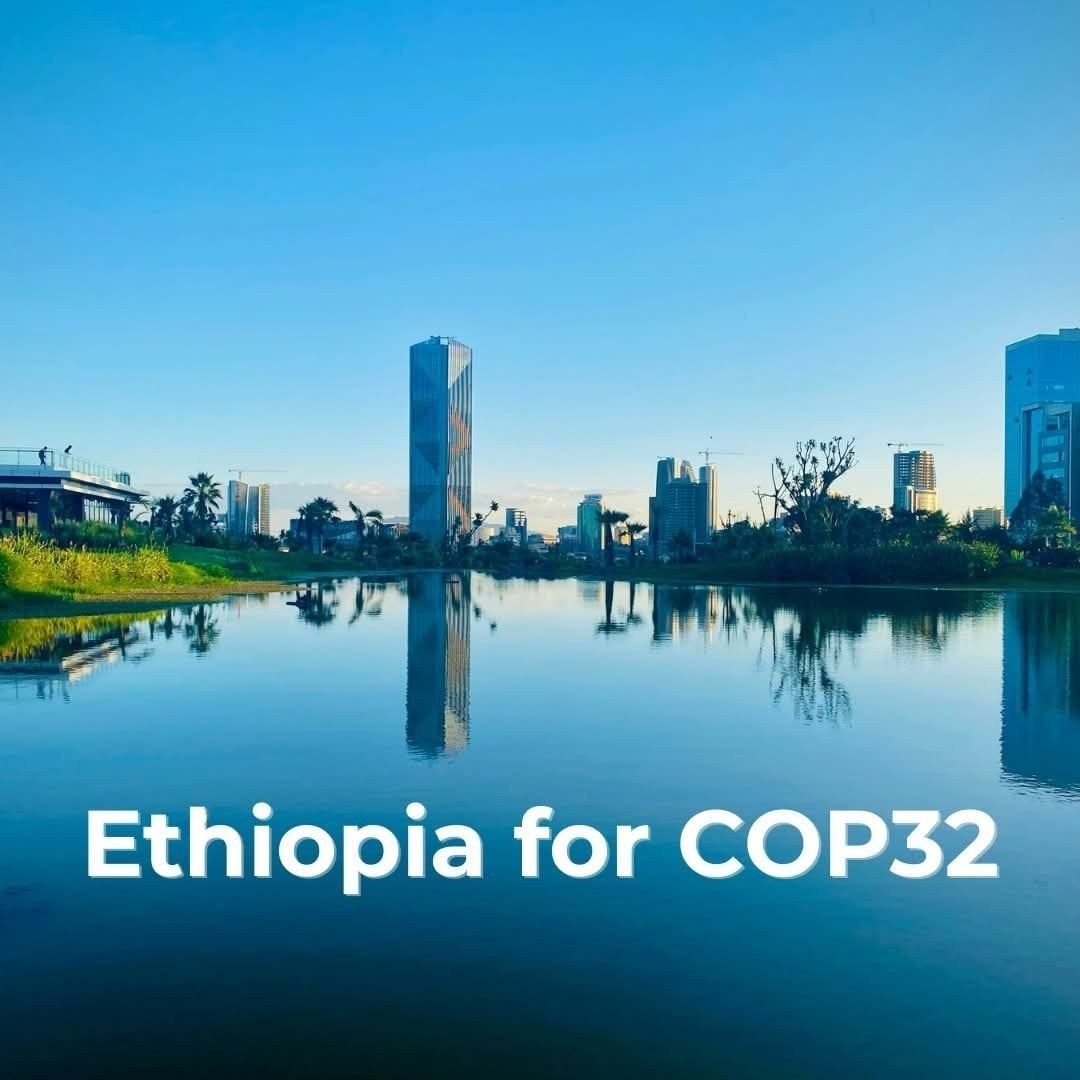
Meta Title: Ethiopia COP32 2027: Africa’s Climate Leadership, Green Investment & Global Diplomacy
Meta Description: Explore Ethiopia’s pivotal role as host of COP32 in Addis Ababa. Discover how the summit drives climate finance, green investment, renewable energy, and Africa’s unified climate agenda for 2027.
Focus Keyphrase: Ethiopia COP32 2027
Slug: ethiopia-cop32-2027-addis-ababa-climate-leadership
Ethiopia COP32 2027: Positioning Africa at the Center of Global Climate Action
When the 32nd United Nations Climate Change Conference (COP32) convenes in Addis Ababa from November 8 to 19, 2027, Ethiopia will assume a leadership role at a defining moment for the continent. More than a diplomatic gathering, the summit represents a historic opportunity to mobilize climate finance, accelerate green investment, and reframe Africa’s role in the global climate economy—from a region of vulnerability to a hub of climate solutions.
As the headquarters of the African Union (AU), Addis Ababa offers a natural platform for uniting world leaders, policymakers, investors, and development partners. Ethiopia’s presidency arrives on the heels of the Second Africa Climate Summit (ACS25) in September 2025, which drew over 25,000 participants and produced the landmark Addis Ababa Declaration.
Related Reading: UNFCCC Official COP32 Information Hub | African Union Climate Strategy
Why COP32 in Ethiopia Matters: Strategic Value Beyond Diplomacy
Mobilizing Finance for a Just Transition
The strategic value of Ethiopia COP32 2027 extends far beyond hosting logistics. It serves as a critical lever to unlock financing for:
- Renewable energy expansion (hydro, wind, solar, geothermal)
- Climate-smart agriculture and food systems resilience
- Sustainable urban development and resilient infrastructure
- Forest restoration and nature-based solutions
At COP29 in Baku, nations agreed on a New Collective Quantified Goal (NCQG) targeting $300 billion annually by 2035 for developing nations, within a broader $1.3 trillion ambition. Ethiopia’s presidency will focus on translating these pledges into accessible, predictable, and concessional finance for vulnerable economies.
External Resource: COP29 Baku Finance Outcome Summary (UNFCCC) | World Bank: Climate Finance for Development
“Climate Action is Economic Policy”
Prime Minister Abiy Ahmed has consistently framed climate action as a core development strategy. Addressing COP31 in Antalya (2026), he declared:
“In Ethiopia, climate action is economic policy.”
This philosophy underscores an integrated approach where environmental protection, energy access, agricultural productivity, and livelihood security are inseparable. The Prime Minister has further urged the international community to shift from reactive disaster relief to anticipatory finance—ensuring funds move “at the speed of our forecasters” to protect vulnerable communities before crises hit.
Domestic Credibility: Ethiopia’s Green Track Record
Ethiopia’s bid for COP32—endorsed unanimously by the African Group of Negotiators at COP30 (Belém, 2025) after Nigeria withdrew in favor of a unified African candidacy—rests on tangible domestic achievements.
The Green Legacy Initiative
Launched in 2019, this nationwide mobilization has planted over 56 billion seedlings, restoring degraded landscapes and expanding green cover. It stands as a flagship example of citizen-driven environmental diplomacy and was highlighted at ACS25 as a homegrown African climate solution.
External Link: Ethiopia Green Legacy Initiative Official Portal | UNEP on Nature-Based Solutions
Renewable Energy Leadership: GERD and Beyond
Ethiopia is rapidly expanding clean energy capacity. The inauguration of the Grand Ethiopian Renaissance Dam (GERD) in September 2025 marked a milestone for regional power integration, clean electricity access, and green industrialization. Investments in wind, solar, and geothermal complement this baseload hydro capacity.
External Link: GERD Project Updates (Ethiopian Electric Power) | IRENA: Africa’s Renewable Energy Outlook
Pioneering Electric Mobility
Since January 2024, Ethiopia has restricted imports of internal combustion engine (ICE) vehicles, positioning itself as an early mover in Africa’s EV transition. While charging infrastructure and affordability remain work-in-progress, the policy signals serious commitment to decarbonizing transport.
Ambitious NDC Targets
Ethiopia’s updated NDC 3.0 targets a 70.3% emission reduction below BAU by 2035 (conditional on support) and carbon neutrality by 2050. Adaptation remains paramount: World Bank estimates suggest climate impacts could cost 1–1.5% of GDP annually, threatening agriculture, water security, and rural livelihoods.
External Link: Ethiopia NDC Registry (UNFCCC) | World Bank: Climate Change in Ethiopia
Advancing Africa’s Collective Climate Agenda
From Climate Aid to Climate Investment
A defining theme of Ethiopia’s COP32 diplomacy will be reframing Africa’s engagement with global partners. At ACS25, PM Abiy urged:
“It is time to replace climate aid with climate investment. This is not charity. It is the most strategic investment humanity can make.”
This pivot positions Africa’s vast renewable potential, critical minerals, biodiversity, arable land, and youthful workforce as assets for global green supply chains—not just recipients of aid.
Key Negotiation Priorities for Africa at COP32
- Operationalizing Loss & Damage Fund with direct access modalities.
- Technology Transfer barriers removal (IP rights, capacity building).
- Adaptation Finance doubling (Glasgow pledge fulfillment).
- Carbon Market Integrity (Article 6) benefiting African project developers.
- Debt-Climate Swaps and innovative fiscal instruments.
External Link: African Group of Negotiators (AGN) Position Papers | UNFCCC Loss and Damage Fund
Economic Dividends: Tourism, Infrastructure & Local Economy
Hosting COP32 in Addis Ababa unlocks immediate and legacy economic benefits:
- Tourism Showcase: Delegates experience UNESCO sites (Lalibela, Aksum), the Simien & Bale Mountains, Rift Valley lakes, and Lake Tana—reinforcing Ethiopia’s green tourism narrative.
- Infrastructure Upgrades: Investments in venues, transport (Addis Light Rail, BRT), digital connectivity, and hospitality leave lasting urban assets.
- Private Sector Catalysis: Sectors including renewable energy, EV manufacturing, climate-smart agribusiness, green construction, and fintech gain direct access to global investors.
Turning COP32 into Lasting National Gains: The Implementation Roadmap
With under a year to go, execution discipline will determine whether diplomatic visibility converts to development outcomes. The National Steering Committee, convened by PM Abiy (Nov 2026), mandates a whole-of-government approach.
Critical Success Factors
| Pillar | Key Actions |
|---|---|
| Logistics & Security | Venue readiness (UN standards), visa facilitation, transport, telecoms, urban greening. |
| Private Sector Engagement | Pre-COP investment forums; bankable project pipelines in energy, mobility, agri-tech. |
| Transparency & MRV | Track Green Legacy survival rates, last-mile electrification, clean cooking access, EV charging rollout. |
| Institutional Capacity | Strengthen climate finance units, project preparation facilities (PPFs), ESG reporting frameworks. |
| Inclusive Participation | Youth, women, indigenous groups, civil society, universities integrated into programming. |
Conclusion: A Defining Moment for Ethiopia and Africa
COP32 in Addis Ababa is more than a conference—it is a strategic inflection point. Success will be measured not by the smoothness of the two-week summit, but by:
- Billions in new green investment flowing to Ethiopian and African projects.
- Operational breakthroughs on finance access, adaptation, and technology.
- A strengthened African voice shaping the next global climate economy.
- Tangible resilience for Ethiopian farmers, pastoralists, and urban communities.
By championing “Climate Investment over Climate Aid” and backing diplomacy with domestic action—from GERD to Green Legacy to EV policy—Ethiopia can deliver a COP that marks the moment Africa claimed its seat as a climate solutions superpower.
Frequently Asked Questions (FAQ)
When and where is COP32 taking place?
COP32 will be held in Addis Ababa, Ethiopia, from November 8 to 19, 2027.
Why was Ethiopia chosen to host COP32?
Ethiopia was endorsed by the African Group of Negotiators at COP30 (2025) following Nigeria’s withdrawal for a unified bid. Its role as AU headquarters, successful hosting of ACS25, and domestic climate leadership (Green Legacy, GERD, EV policy) solidified the candidacy.
What is Ethiopia’s main goal for COP32?
To mobilize climate finance and green investment for Africa, operationalize the “climate investment not aid” paradigm, and accelerate the continent’s just energy transition and climate resilience.
What are Ethiopia’s key domestic climate achievements?
- 56+ billion trees planted (Green Legacy Initiative).
- GERD operationalization (clean baseload power & regional exports).
- Ban on ICE vehicle imports (Jan 2024) – Africa’s first.
- NDC 3.0: 70.3% conditional reduction by 2035; Net Zero by 2050.
How can the private sector engage with COP32?
Businesses should prepare bankable project proposals, participate in pre-COP investment forums, and align with Ethiopia’s green growth sectors: renewable energy, e-mobility, climate-smart agriculture, green manufacturing, and sustainable tourism.
