




Meta Title: Ethiopia Defense Modernization Boosts Regional Peace & Security | ENA 2026
Meta Description: Ethiopia’s military reforms and modernization enhance national defense and regional stability. Read insights from IPSTC Commandant Gezahegn Fekadu and ENDC’s Lt. Col. Aragaw Gebremedhin on peacekeeping legacy and future capabilities.
Focus Keyword: Ethiopia defense modernization
Slug: ethiopia-defense-modernization-regional-peace-security
Ethiopia Defense Modernization Strengthens National Security and Regional Peace Efforts
Strategic Reforms Drive Operational Readiness
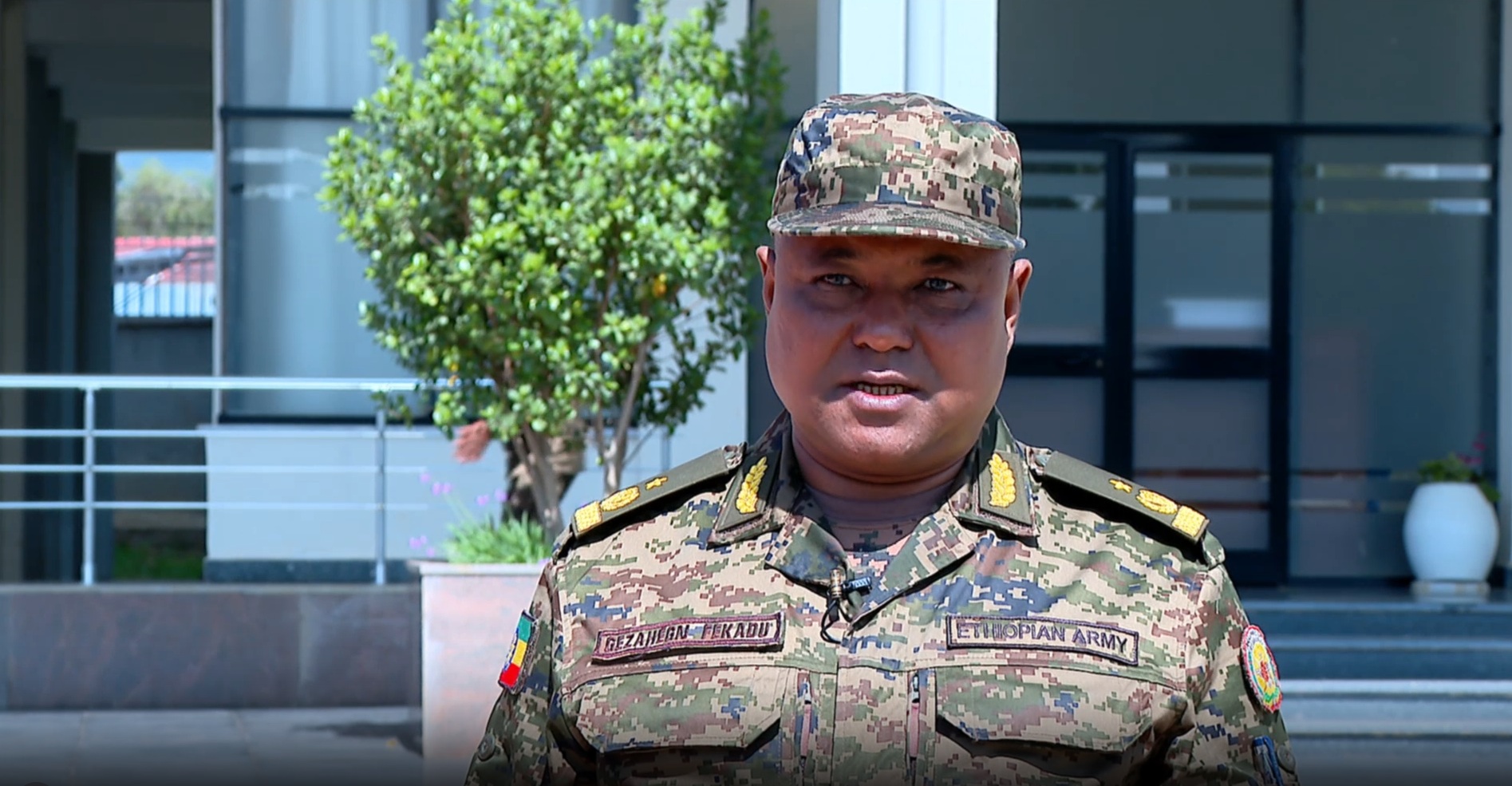
Ethiopia’s growing defense capabilities are significantly strengthening the country’s ability to safeguard national interests while contributing to broader peace and stability across the region, said Commandant Gezahegn Fekadu of the International Peace Support Training Centre (IPSTC).
In an exclusive interview with the Ethiopian News Agency (ENA), Gezahegn highlighted that the Ethiopian National Defense Force (ENDF) has undergone a profound transformation. This evolution is characterized by comprehensive organizational reforms, the acquisition of improved weaponry, advanced training doctrines, and broader capacity-building initiatives accelerated since the national reform period began.
Domestic Capacity Building as a Force Multiplier
Gezahegn emphasized that these capabilities—developed through indigenous efforts—have not only bolstered the country’s defense readiness but also enhanced its capacity to protect sovereign interests and project stability regionally.
“The capabilities developed through domestic efforts had not only strengthened the country’s defense readiness but also enhanced its capacity to protect national interests and contribute to regional security,”
Commandant Gezahegn Fekadu, IPSTC
He stressed that sustaining these achievements requires continued military modernization to effectively respond to evolving security threats and challenges. A technologically advanced and capable defense force, he noted, is essential not only for safeguarding national sovereignty but also for promoting regional stability and creating a peaceful environment conducive to development objectives across the continent.
Peacekeeping Legacy Meets Modern Strategy
Adding historical context to the current trajectory, Lieutenant Colonel Aragaw Gebremedhin, Policy and Strategy Affairs Team Leader at the Ethiopian National Defense College (ENDC), outlined the continuity of Ethiopia’s security doctrine.
From Korea to the Horn of Africa
Lt. Col. Aragaw noted that the Defense Force continues to modernize across three critical pillars: technology, training, and personnel strength. He pointed to Ethiopia’s long-standing contribution to international peacekeeping—spanning from the Korean War to numerous United Nations and African Union missions across the continent—as a foundational asset.
This operational experience, combined with growing indigenous military capabilities, has strengthened Ethiopia’s capacity to support peace and security domestically, in neighboring countries, and beyond.
Call for Academic Documentation of Security Contributions
To solidify this narrative on the global stage, Aragaw called upon Ethiopian universities and research institutions to rigorously document the nation’s peacekeeping contributions and the trajectory of its military development through academic research and publications.
“Such efforts would help present Ethiopia’s peacekeeping experience and contributions more effectively to the international community,”
Lt. Col. Aragaw Gebremedhin, ENDC
He argued that evidence-based documentation is vital for correcting historical records and showcasing the strategic value of Ethiopia’s security architecture to partners and multilateral organizations.
Regional Stability Through Strength
The consensus from both the IPSTC and the ENDC underscores a strategic reality: Ethiopia’s investment in defense modernization is not merely a national security imperative but a regional public good. By enhancing its operational autonomy and technological edge, the ENDF aims to remain a reliable partner for collective security mechanisms, including the Intergovernmental Authority on Development (IGAD) and the African Standby Force.
As the Horn of Africa navigates complex geopolitical shifts, Ethiopia’s dual focus on hard power modernization and soft power peacekeeping diplomacy positions it as a central pillar for the region’s collective security architecture.
Key Takeaways
- Reform Driven Growth: Organizational restructuring and advanced training since the reform era have significantly enhanced ENDF operational capabilities.
- Indigenous Development: Commandant Gezahegn Fekadu stresses that domestically built capabilities are the primary driver of current defense readiness.
- Continuous Modernization: Sustained investment in technology and personnel is deemed essential to counter evolving threats.
- Historical Continuity: Lt. Col. Aragaw Gebremedhin links current modernization to a decades-long legacy of international peacekeeping (Korea to present).
- Academic Gap: A call for universities to document military history and peacekeeping contributions to improve international perception and strategic partnerships.
Frequently Asked Questions (FAQ)
- What is the International Peace Support Training Centre (IPSTC)?
- The IPSTC is a premier institution in Ethiopia dedicated to training military, police, and civilian personnel for multidimensional peace support operations, aligned with UN and AU standards.
- How has Ethiopia contributed to international peacekeeping historically?
- Ethiopia has a distinguished history dating back to the Korean War (1950-1953) and has consistently been one of the largest troop-contributing countries to UN and AU missions in Africa, including in Rwanda, Burundi, Darfur, Abyei, and South Sudan.
- What are the pillars of Ethiopia’s current defense modernization?
- According to the ENDC, the three main pillars are technological advancement, enhanced training doctrines, and increased personnel strength and professionalization.
- Why is documenting peacekeeping history important now?
- Officials argue that academic documentation provides evidence-based validation of Ethiopia’s contributions, countering narratives that may overlook the country’s role and strengthening its diplomatic leverage in security forums.
Source: Ethiopian News Agency (ENA)
