




Meta Title: Ethiopia National Dialogue Recommendations Handed to Parliament: A Milestone for Consensus
Meta Description: PM Abiy Ahmed formally hands over consolidated National Dialogue recommendations to Ethiopia’s House of Peoples’ Representatives and governments. Read details on the 8 pillars, 4,000 participants, and next steps for the national social contract.
Focus Keyphrase: Ethiopia National Dialogue recommendations
Slug: ethiopia-national-dialogue-recommendations-handed-over-parliament
Ethiopia Hands Over National Dialogue Recommendations to Parliament in Historic Milestone
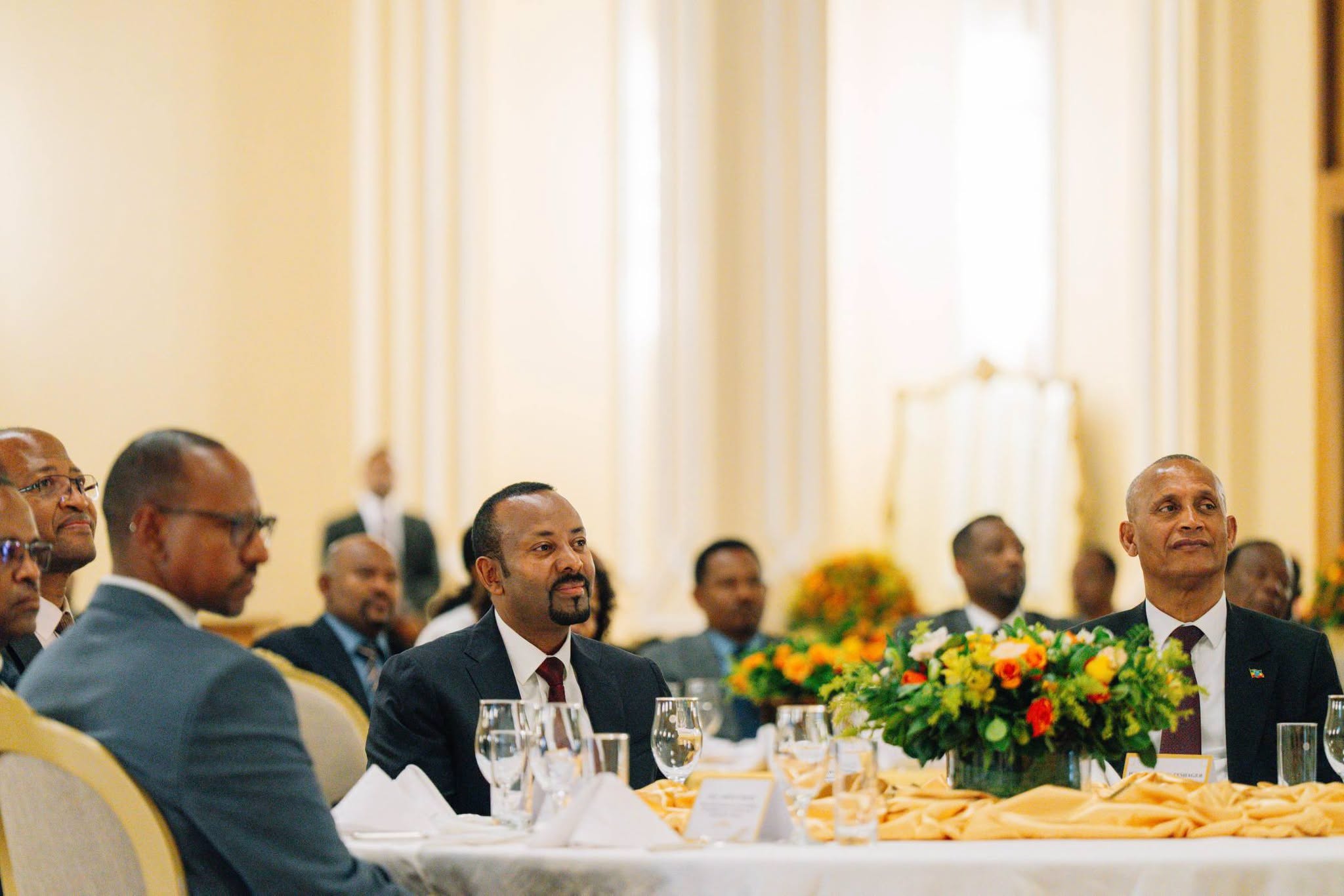
ADDIS ABABA — Prime Minister Abiy Ahmed announced on Saturday the formal handover of the consolidated agenda items and recommendations emerging from the Ethiopia National Dialogue to the country’s key legislative and executive bodies, marking a pivotal transition from public deliberation to institutional action.
The documents were submitted to the House of Peoples’ Representatives (HPR), the Federal Government, and Regional Governments during a ceremony attended and overseen by the Prime Minister.
“I attended and oversaw the formal handover,” Prime Minister Abiy stated on social media, describing the development as “an important milestone in the country’s National Dialogue process.”
[Insert Image: Handover Ceremony at the House of Peoples’ Representatives | Alt Text: PM Abiy Ahmed handing over National Dialogue documents to Speaker of the House]
From Deliberation to Implementation: The Process Explained
The handover signifies the official shift from the consensus-building phase to the institutional consideration phase. The National Dialogue—designed to address deep-rooted national questions through peaceful deliberation rather than confrontation—has now placed the onus on elected officials and executive branches to legislate and execute the will of the people.
Eight Thematic Pillars Drive Consensus
According to the Prime Minister’s office, the dialogue reached consensus across eight thematic pillars before entering the harmonization and consolidation stage. While the specific pillars were not itemized in the immediate announcement, they historically cover critical areas such as:
- Constitutional reform and rule of law
- Transitional justice and reconciliation
- Economic policy and resource sharing
- National security and defense
- Media freedom and civic space
- Electoral reform
- Federal-regional power balance
- Cultural identity and social cohesion
Related Context: The process mirrors similar African Union-led mediation frameworks used in post-conflict transitions, emphasizing “African solutions to African problems.”
Massive Participation Underscores Legitimacy
The Ethiopian National Dialogue Conference concluded in August 2026 after 40 days of intensive deliberations. The process convened 4,000 participants drawn from diverse sections of Ethiopian society—including political parties, civil society organizations, religious leaders, traditional elders, women’s groups, youth associations, and marginalized communities.
This broad inclusivity was engineered to ensure the resulting recommendations reflect a genuine national social contract, moving beyond elite bargaining to grassroots ownership.
[Insert Image: Plenary Session of the National Dialogue Conference | Alt Text: 4000 delegates seated at the Ethiopian National Dialogue Conference in Addis Ababa]
Why This Handover Matters for Ethiopia’s Future
The submission of these recommendations to the House of Peoples’ Representatives—Ethiopia’s lower parliamentary house—triggers the constitutional mechanism for debate, potential legislation, and constitutional amendment. Simultaneously, delivery to the Federal Government and Regional Governments mandates administrative alignment with the dialogue’s outcomes.
Key Implications:
- Legislative Action: The HPR must now schedule debates and draft bills reflecting the consensus points.
- Intergovernmental Coordination: Regional states are expected to align regional proclamations with federal reforms.
- Transitional Justice Roadmap: Recommendations likely feed directly into the Ethiopia Transitional Justice Policy, a critical benchmark for international partners.
- Political Stability: Success hinges on the opposition’s trust in the implementation phase—a key metric for Freedom House and global governance indices.
Prime Minister’s Vision: “Nationally Owned Solutions”
Prime Minister Abiy reiterated that this step reaffirms the government’s commitment to addressing Ethiopia’s longstanding challenges through inclusive dialogue.
“The National Dialogue has been presented as an effort to address deep-rooted national questions through consensus-building rather than confrontation,” the Premier noted earlier, framing the initiative as an opportunity to forge a new, inclusive national social contract.
This rhetoric positions the dialogue as a homegrown alternative to externally imposed settlements, a stance consistently advocated by the Institute for Peace and Security Studies (IPSS) at Addis Ababa University.
What Happens Next? The Roadmap Ahead
With the handover complete, the spotlight shifts to Parliament’s agenda-setting committee and the Council of Ministers. Observers will watch for:
| Next Step | Responsible Body | Expected Timeline |
|---|---|---|
| Official Tabling of Report | Speaker of the HPR | Immediate / Next Session |
| Committee Referral & Public Hearings | Relevant Standing Committees | 30–60 Days |
| Draft Legislation / Constitutional Amendment | Legal Affairs Standing Committee | 6–12 Months |
| Regional Council Ratification | Regional State Councils | Concurrent with Federal Process |
| National Referendum (if Constitutional) | National Electoral Board of Ethiopia (NEBE) | As Required by Outcome |
Bottom Line
The formal handover of the Ethiopia National Dialogue recommendations represents the most significant political development in the country’s post-conflict transition since the Pretoria Agreement. While the dialogue phase is closed, the implementation phase—widely considered the harder test—has officially begun. The credibility of the process now rests entirely on the House of Peoples’ Representatives and Regional Governments translating 40 days of consensus into binding law and tangible peace dividends for citizens.
Frequently Asked Questions (FAQ)
What is the Ethiopia National Dialogue? It is a government-mandated, commission-led process established under Proclamation No. 1265/2021 to identify root causes of political conflict and build national consensus on disputed issues.
Who runs the National Dialogue? The National Dialogue Commission (ENDC), an independent body accountable to the House of Peoples’ Representatives, manages the process.
How many people participated? The concluding conference in August 2026 involved 4,000 delegates over 40 days.
Are the recommendations legally binding? They are not self-executing. They require ratification by the House of Peoples’ Representatives and, where constitutional changes are proposed, potentially a national referendum.
What are the “Eight Pillars”? They are the thematic frameworks agreed upon by the Commission to structure discussions (e.g., Governance, Justice, Economy, Security), though the final consolidated report groups recommendations under these headers.
External Authority Links for Further Reading:
