




Ethiopia’s Makatet Roadmap Highlighted as Model for Refugee Inclusion at World Humanitarian Day 2026
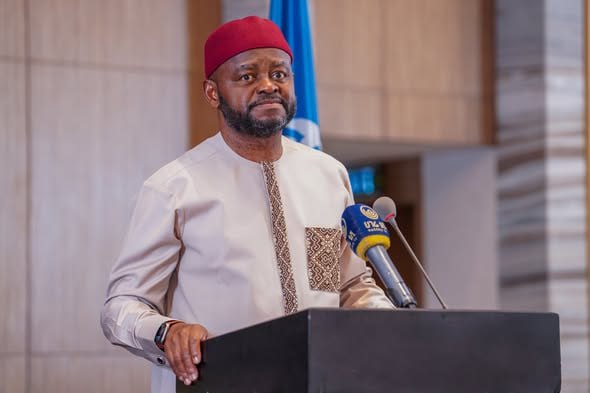
Addis Ababa — The United Nations Resident and Humanitarian Coordinator for Ethiopia, Ozonnia Ojielo, has praised the Government of Ethiopia for its unwavering commitment to humanitarian action and its pivot toward sustainable, long-term solutions for recurring crises. Speaking at the World Humanitarian Day commemoration in Addis Ababa on August 19, 2026, Ojielo underscored the nation’s progress in resilience-building, durable solutions for displaced populations, and the landmark Makatet Roadmap for refugee inclusion.
Makatet Roadmap: Shifting from Aid Dependency to Socio-Economic Inclusion
A centerpiece of the commemoration was Ethiopia’s recently launched Makatet Roadmap, a national framework unveiled in June 2026 by the Refugees and Returnees Service (RRS) in partnership with the UNHCR and regional authorities. The strategy marks a decisive policy shift away from temporary camp-based relief toward the full socio-economic integration of refugees into national systems.
External Resource: Learn more about the Global Compact on Refugees framework guiding such national roadmaps.
The Roadmap facilitates refugee access to:
- National Education Systems: Enrollment in public schools alongside host community children.
- Healthcare Integration: Access to national health insurance and facilities.
- Legal Documentation: Provision of vital civil documentation and residency rights.
- Labor Market Access: Legal pathways to work permits and formal employment opportunities.
Ojielo described the initiative as a practical demonstration of the Humanitarian-Development-Peace Nexus (HDPN), stating that Ethiopia has shown “what can be achieved through partnership and shared responsibility,” proving that humanitarian action, development, and peacebuilding must advance hand in hand.
External Resource: Explore the OECD DAC Recommendation on the Humanitarian-Development-Peace Nexus.
Honoring Frontline Workers Amid Rising Global Risks
The 2026 observance, held annually on August 19, served as a solemn reminder of the dangers facing aid workers globally. Ojielo highlighted alarming statistics: over 1,000 humanitarian workers have been killed worldwide in the past three years, including 15 in Ethiopia alone. He noted that the majority of humanitarian staff in Ethiopia are national personnel serving their own communities, often under extremely difficult and insecure conditions.
External Resource: View the Aid Worker Security Database for annual trends and data.
Ojielo called for a renewed global commitment to solidarity, protection, and partnership to safeguard humanitarian personnel, ensure safe access for life-saving assistance, and uphold the dignity of crisis-affected populations.
National Leaders Echo Call for Protection and Localization
Shiferaw Teklemariam, Commissioner of the Ethiopian Disaster Risk Management Commission (EDRMC), emphasized that protecting humanitarian workers requires robust, multi-level cooperation. He stressed the need for preventive and protective measures involving stakeholders at community, regional, and national levels, asserting that the government’s commitment extends “beyond concern and condemnation” into actionable support.
Dires Desyibelew, Deputy Secretary-General of the Ethiopian Red Cross Society (ERCS), reinforced the necessity for unimpeded humanitarian access and strict adherence to International Humanitarian Law (IHL). He warned that attacks on aid workers ultimately sever the lifeline for millions of people in crisis.
External Resource: Read the Geneva Conventions and their Commentaries on IHL protections.
Advancing Localization: Women-Led Groups Demand a Seat at the Table
A powerful appeal for localization came from Azeb Kelemework, Executive Director of the Union of Ethiopian Women and Children Associations. She stressed the disproportionate impact of crises on women, children, girls, the elderly, and Internally Displaced Persons (IDPs).
Azeb urged the government, donors, UN agencies, and international NGOs to move beyond rhetoric and translate localization commitments into measurable action. Key demands included:
- Direct & Predictable Funding: Increasing financial flows directly to local and national Civil Society Organizations (CSOs).
- Decision-Making Power: Expanding participation of local actors—particularly women-led organizations and Organizations of Persons with Disabilities (OPDs)—in humanitarian coordination and leadership structures.
- Strategic Partnership: Recognizing local entities as strategic partners rather than mere implementing contractors, leveraging their proximity to and trust within affected communities.
External Resource: Review the Grand Bargain Localization Workstream commitments.
World Humanitarian Day: A Global Tribute
Established by the UN General Assembly in 2008, World Humanitarian Day (WHD) commemorates the 2003 bombing of the UN headquarters in Baghdad, Iraq, which killed 22 people, including Special Representative Sergio Vieira de Mello. The day honors all humanitarian personnel who have lost their lives in the line of duty and celebrates the spirit of humanitarian action worldwide.
External Resource: Official UN World Humanitarian Day background and history.
Key Takeaways
| Initiative / Entity | Role / Significance |
|---|---|
| Makatet Roadmap | National framework (Launched June 2026) for refugee socio-economic inclusion (education, health, labor, docs). Led by RRS, UNHCR, Regional bodies. |
| Ozonnia Ojielo | UN Resident & Humanitarian Coordinator; praised Ethiopia’s HDP Nexus approach; highlighted global aid worker fatalities (1,000+ in 3 yrs). |
| Shiferaw Teklemariam | EDRMC Commissioner; called for multi-stakeholder cooperation on worker protection. |
| Dires Desyibelew | ERCS Deputy SG; demanded respect for IHL and safe/unimpeded access. |
| Azeb Kelemework | UEWCA Director; advocated for localization: direct funding, leadership roles for women-led CSOs & OPDs. |
Related Reading:
