




Meta Title: PM Abiy Unveils 5-Year Prosperity Party Agenda: Food Sovereignty, Nuclear Energy & Urban Transformation
Meta Description: Prime Minister Abiy Ahmed outlines the Prosperity Party’s ambitious five-year roadmap focusing on citizen wellbeing, food sovereignty, nuclear energy, natural gas utilization, and nationwide urban modernization.
Focus Keyphrase: Prosperity Party five-year agenda Ethiopia
Slug: pm-abiy-prosperity-party-five-year-agenda-ethiopia-2026
PM Abiy Unveils Ambitious Five-Year Agenda: Citizen Wellbeing, Nuclear Energy & Urban Transformation at Core
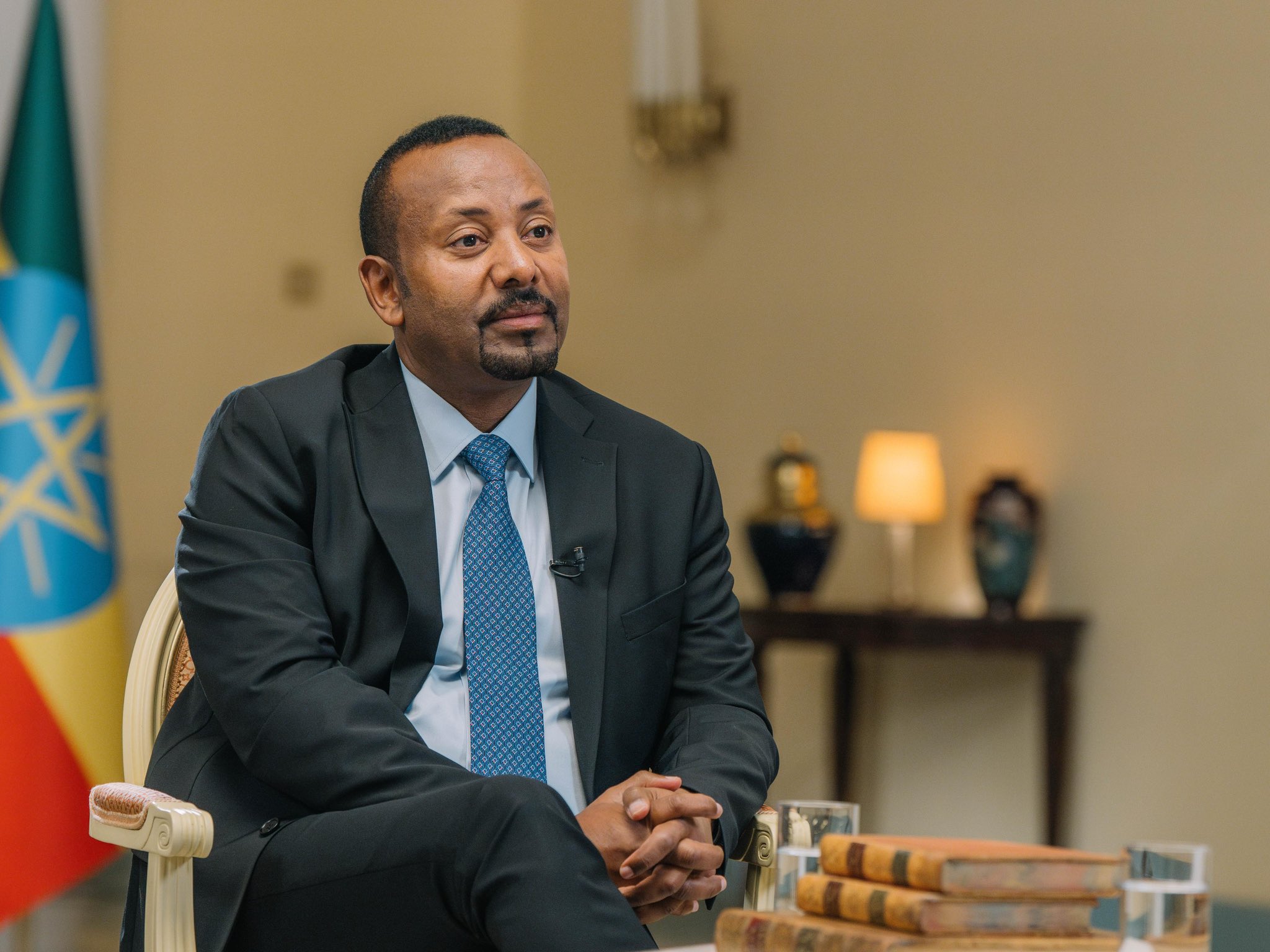
Addis Ababa, August 9, 2026 (ENA) — Prime Minister Abiy Ahmed has declared that the Prosperity Party (PP) will anchor its governance strategy for the next five years on tangible improvements in citizens’ daily lives and overall wellbeing. In an extensive interview with the Oromia Broadcasting Network (OBN), the Premier detailed a sweeping roadmap targeting food sovereignty, technological integration, energy independence, agricultural modernization, and comprehensive urban development.
The agenda signals a shift toward direct service delivery, accountability, and strategic mega-projects designed to structurally transform the Ethiopian economy.
Citizen-Centric Governance and National Dialogue
At the heart of the new mandate is a pledge to ensure the benefits of development reach the population directly. PM Abiy emphasized that elected officials bear a sacred responsibility to honor campaign commitments and deliver measurable results.
“The focus is on tangible improvements in the quality of life. Elected officials must honor their commitments and deliver meaningful results.” — Prime Minister Abiy Ahmed
Key governance pillars include:
- Enhanced Public Service Delivery: Leveraging technology to make services accessible, efficient, and responsive.
- Anti-Corruption Drive: Intensified measures against corruption, theft, and bureaucratic inefficiency.
- National Dialogue: Identified as a critical instrument for resolving generational political and social challenges, fostering consensus for lasting stability. Learn more about the role of National Dialogue in conflict resolution globally.
Food Sovereignty: The Strategic Anchor
The Premier positioned food sovereignty as the linchpin of Ethiopia’s economic transformation, vital at both regional and national levels. Agriculture remains the cornerstone of the economy, livelihoods, and national production.
Modernizing Agricultural Inputs & Infrastructure
The government is pursuing a multi-pronged strategy to boost productivity:
- Fertilizer Independence: Machinery is currently being imported to construct domestic fertilizer production facilities, aiming to reduce reliance on volatile external supply chains.
- Irrigation Expansion: Large-scale irrigation schemes are underway across regions to facilitate year-round cultivation, moving away from exclusive dependence on seasonal rainfall.
- Mechanization & Cluster Farming: Expanded land cultivation and cluster farming approaches have already yielded higher output; these efforts will be scaled up.
- Technology Access: Bridging the gap for farmers to access modern machinery, improved seeds, and digital advisory services.
According to the World Bank, investments in irrigation and fertilizer efficiency are among the highest-return interventions for food security in Sub-Saharan Africa.
Energy Revolution: Nuclear Ambitions & Natural Gas Breakthroughs
Ethiopia’s energy sector is poised for a historic diversification, moving beyond hydro-dependence toward a balanced, industrial-grade energy mix.
Ethiopia Enters the Nuclear Age
In a landmark announcement, PM Abiy revealed the country’s ambition to generate nuclear power for the first time. Described as a “historic undertaking for Ethiopia and Africa,” the program aims to lay a foundational energy baseline for future generations. This aligns with the IAEA’s Milestones Approach for new nuclear power programs, ensuring safety, security, and safeguards infrastructure.
Natural Gas: From Exploration to Industrialization
After decades of exploration challenges, Ethiopia has begun extracting natural gas and developing downstream industries to utilize it as a primary industrial input.
- Transport Sector Conversion: Diesel-powered vehicles are actively being converted to Compressed Natural Gas (CNG), with wider deployment expected imminently.
- Industrial Feedstock: Gas will power manufacturing, reducing operational costs and carbon footprints.
Digital Transformation: Technology as an Enabler
Technology is not a standalone sector but a cross-cutting enabler for the entire agenda. The government plans to aggressively expand digital technologies across all sectors to:
- Eliminate bureaucratic bottlenecks.
- Enhance transparency in public finance.
- Bring services closer to citizens via e-governance platforms.
This mirrors the Digital Ethiopia 2025 Strategy, aiming to build a inclusive digital economy.
Urban Modernization: Scaling the Addis Model Nationwide
The Urban Modernization and Corridor Development programs are transitioning from pilot phases in the capital to a national rollout. The goal is to transform cities into engines of growth and livability.
Core Urban Deliverables:
- Housing & Utilities: Expanded access to affordable housing, clean water, electricity, and street lighting.
- Social Infrastructure: Bringing quality education and healthcare facilities within reach of urban communities.
- Economic Stimulus: Projects designed to generate employment, spur innovation, and foster SME growth.
PM Abiy noted that lessons learned from the Addis Ababa Corridor Development Project—widely documented for its impact on urban land value and mobility—will serve as the blueprint for regional city transformations over the next five years.
Flagship Infrastructure: Bishoftu International Airport
Highlighting connectivity, the Premier spotlighted the Bishoftu International Airport (currently under construction) as a landmark investment. Beyond serving as a major aviation hub, the project is positioned as a catalyst for:
- Regional logistics and trade integration.
- Aerospace industry development.
- Tourism and service sector growth.
Summary of the Five-Year Strategic Pillars
| Pillar | Key Action Items | Target Outcome |
|---|---|---|
| Governance | Anti-corruption, Digital Services, National Dialogue | Trust, Efficiency, Stability |
| Agriculture | Domestic Fertilizer, Irrigation, Mechanization | Food Sovereignty, Export Surplus |
| Energy | Nuclear Program (IAEA compliant), Natural Gas Industrialization | Energy Security, Industrial Baseload |
| Urban | Corridor Development, Housing, Utilities (Nationwide) | Livable Cities, Job Creation |
| Infrastructure | Bishoftu Airport, Transport Corridors | Regional Hub Status, Connectivity |
What This Means for the Average Ethiopian
For the citizen, this agenda translates to:
- Lower Food Prices: Via local fertilizer and irrigation.
- Cheaper Transport/Energy: Via CNG conversion and diversified power.
- Better Services: Via digital IDs, e-services, and localized clinics/schools.
- Jobs: Construction, manufacturing (gas/fertilizer), tech, and urban services sectors.
Related Reading:
- Ethiopia’s Homegrown Economic Reform Agenda 2.0: Key Pillars
- The Role of Nuclear Energy in Africa’s Clean Transition (IAEA)
- Addis Ababa Corridor Development: Lessons for African Cities
Source: Ethiopian News Agency (ENA), Interview with Oromia Broadcasting Network (OBN), August 9, 2026.
