




Addis Ababa Tourism Surge: How Urban Renewal Fuels Africa’s Fastest-Growing Conference Hub
Meta Description: Discover how Addis Ababa’s Corridor Development Project and a 47% jump in international conferences are transforming Ethiopia’s capital into a premier African business and leisure destination.
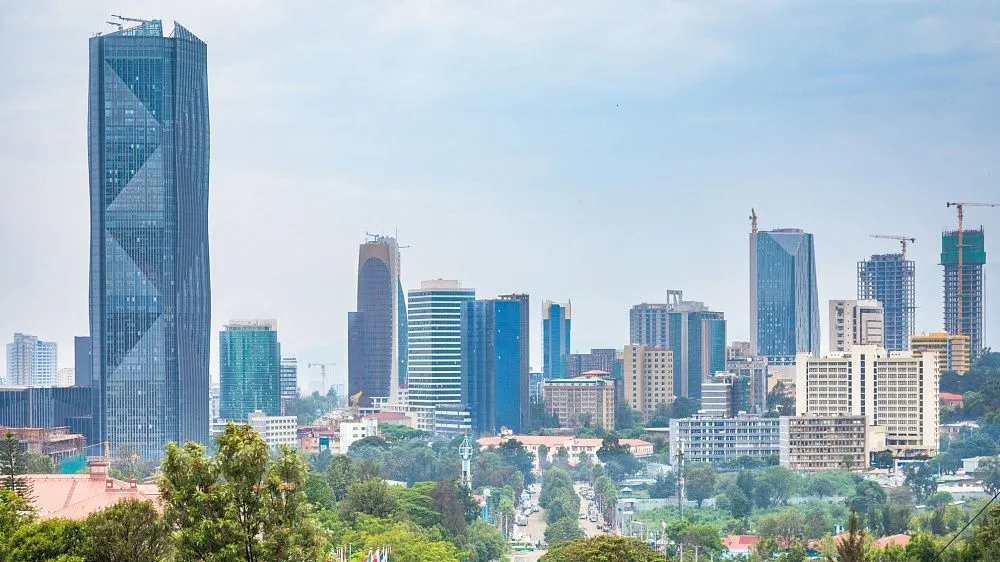
Addis Ababa is undergoing a remarkable metamorphosis. Once regarded primarily as a diplomatic transit hub and the gateway to Ethiopia’s historic northern circuit, the capital is rapidly asserting itself as a leading African tourism destination in its own right. Driven by ambitious urban regeneration and a strategic pivot toward the meetings industry, the city is rewriting its narrative for global travelers and investors alike.
Record-Breaking Growth in Conference Tourism
The most tangible evidence of this shift comes from the Addis Ababa Tourism Commission. During the most recent fiscal year, the city hosted more than 221 international conferences—a staggering 47% increase from the 150 events recorded in the previous year.
This surge is not accidental. It positions Addis Ababa firmly within the top tier of the International Congress and Convention Association (ICCA) rankings for African destinations. The influx of international delegates generates a powerful multiplier effect, driving demand across the hospitality sector, local transport networks, and cultural attractions.
Key Stat: The 221+ conferences hosted represent a significant leap in “Business Tourism” (MICE), a high-yield segment where delegates spend significantly more per day than leisure tourists.
The Engine of Change: The Corridor Development Project
At the heart of this transformation lies the Corridor Development Project, a flagship urban renewal initiative championed by the Prime Minister’s Office. This multi-billion-birr project has fundamentally reshaped the city’s physical infrastructure, directly addressing the logistical bottlenecks that previously hindered large-scale event hosting.
Key infrastructure upgrades include:
- Modernized Arteries: Expansion and landscaping of major corridors (such as the Mexico to Meskel Square stretch and the Bole Ring Road) have drastically reduced transit times between the Bole International Airport, the African Union Headquarters, the UNECA conference facilities, and major hotel clusters.
- Public Realm Enhancement: The creation of pedestrian-friendly zones, cycling lanes, and green parks (like the revitalized Entoto Park and Unity Park) provides delegates with leisure options previously unavailable in the dense urban core.
- Smart City Integration: Implementation of intelligent traffic management systems and fiber-optic connectivity supports the technical demands of modern hybrid conferences.
These improvements have elevated the visitor experience, a critical metric for Professional Conference Organizers (PCOs) when selecting host cities.
Tourism as a Pillar of Economic Reform
The rise of the tourism sector aligns directly with Ethiopia’s Homegrown Economic Reform Agenda (HGER). The government has identified tourism as a strategic pillar for foreign exchange generation, job creation, and private sector development.
By treating tourism as an export industry, authorities are channeling investment into:
- Hospitality Capacity: Incentivizing international hotel brands (Marriott, Hilton, Radisson, Golden Tulip) to expand inventory, addressing a historical shortage of 4- and 5-star rooms.
- Air Connectivity: Leveraging Ethiopian Airlines—Africa’s largest and most profitable carrier—as a natural force multiplier. The airline’s hub-and-spoke model brings connecting traffic from 60+ African cities and global gateways directly to Addis Ababa.
- Visa Liberalization: The rollout of the e-Visa system and visa-on-arrival for all African Union member states removes friction for business travelers.
From “Gateway” to “Destination”: The Leisure Dividend
While conference traffic provides the baseline occupancy, the urban renewal is unlocking a nascent leisure market. Delegates extending stays (“bleisure” travel) and tourists choosing Addis Ababa as a primary stopover are discovering a renewed city:
- Cultural Anchors: The National Museum of Ethiopia (home to “Lucy”), the Ethnological Museum (housed in Haile Selassie’s former palace), and the new Adwa Victory Memorial offer world-class cultural immersion.
- Culinary Tourism: A boom in high-end Ethiopian restaurants and jazz clubs in regenerated areas like Piassa and Kazanchis caters to the evening economy.
- Nature Access: Proximity to the Entoto Mountains—now accessible via a modern cable car system—offers hiking and panoramic city views within 30 minutes of the city center.
Future Outlook: Sustaining the Momentum
The trajectory suggests Addis Ababa is on track to challenge traditional hubs like Kigali, Nairobi, and Cape Town for the title of Africa’s premier meeting destination. However, sustaining this growth requires continued focus on:
- Service Standards: Upskilling the hospitality workforce to meet international service benchmarks.
- Sustainability: Ensuring urban expansion adheres to green building standards and waste management protocols to attract eco-conscious corporate clients.
- Security & Stability: Maintaining the perception of safety essential for high-profile international summits.
Conclusion
Addis Ababa’s evolution from a transit point to a destination is a case study in infrastructure-led tourism development. By synchronizing the Corridor Development Project with a national economic strategy that prioritizes the MICE sector, Ethiopia has turned its diplomatic capital into a commercial asset. For global businesses, associations, and travelers, the message is clear: Addis Ababa is open, modern, and ready to host the world.
Recommended Reading & Resources:
- Addis Ababa Tourism Commission Official Statistics (Source for conference data)
- Ethiopian Investment Commission: Tourism Sector Opportunities
- ICCA Association Meetings Market Report (Global benchmark for conference hosting)
- UNWTO Tourism Data for Ethiopia (International arrival trends)
- Ethiopian Airlines Route Map & Network (Connectivity driver)
