




Ethiopia National Dialogue: A Pathway to Sustainable Peace and Development
Addis Ababa, July 3 2026 – The Ethiopian National Dialogue is being hailed as a decisive instrument for lasting peace, national cohesion and economic progress.
Why the Ethiopia National Dialogue Matters
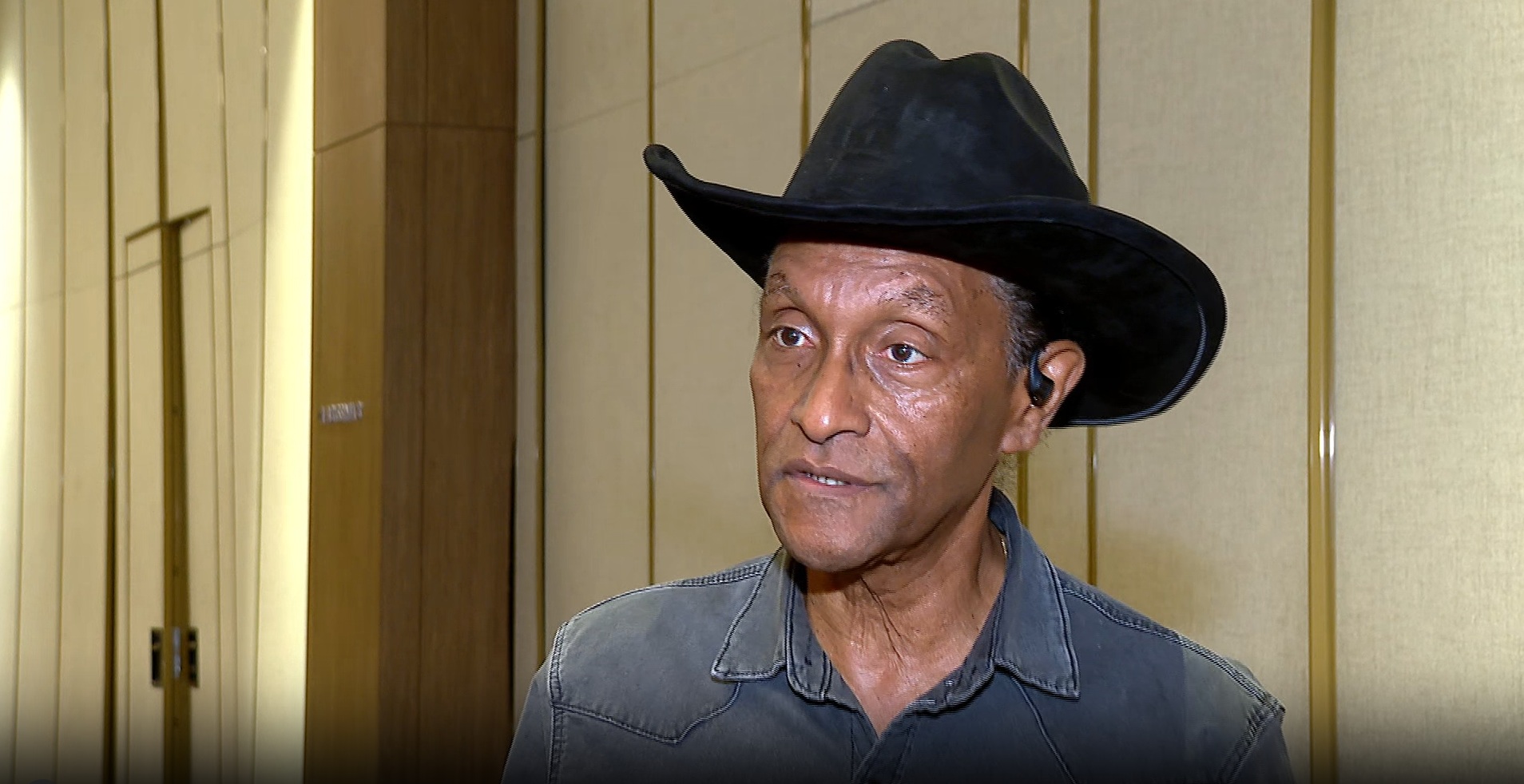
Emeritus Professor Alemayehu G. Mariam (widely known as Al Mariam) told ENA that the National Dialogue is “the vital pathway to lasting peace, progress and prosperity.” He stressed that it provides a structured, peaceful, and legal framework for confronting Ethiopia’s long‑standing grievances.
“Power grows out of dialogue,” Al Mariam said, urging all Ethiopians to engage in meaningful conversation, listen to one another, and seek common ground despite ethnic, religious or political differences.
H2 – The Role of the National Dialogue Commission
The National Dialogue Commission is a unique institution in modern peace‑building, created by law with a clear mandate to deliver concrete results. Its core mission is to:
- Identify the historic and contemporary issues that have divided Ethiopian society.
- Facilitate an inclusive, grassroots‑driven process that reaches every corner of the country.
- Feed the findings into the upcoming National Dialogue Conference.
The Commission’s work is distinguished by broad grassroots participation, something Professor Al Mariam describes as “unprecedented in Ethiopia’s modern history.”
H3 – Grassroots Reach: From Communities to the Conference
Representatives from remote villages to urban neighborhoods have already taken part in dialogue sessions. Their contributions will shape the agenda of the National Dialogue Conference, scheduled to open on July 15, 2026.
Key agenda areas include:
- State building
- Good governance
- National unity
- Anti‑corruption measures
These topics are expected to guide Ethiopia toward reconstruction, development and national prosperity, moving the nation away from recurring cycles of violence.
H2 – Dialogue vs. Violence: The Sustainable Choice
Al Mariam warned that violence cannot be a long‑term solution. He argued that dialogue, even when it does not produce immediate agreement, creates a pathway to mutual understanding through:
- Engagement – bringing together diverse voices.
- Negotiation – finding common ground.
- Compromise – accepting fair outcomes for all parties.
“The alternative is peace, prosperity and development,” he added, highlighting that a civil, tolerant approach is essential for Ethiopia’s future.
H3 – Civic Responsibility and Mutual Respect
The professor also emphasized the need for civility and tolerance:
- Avoid deepening divisions based on ethnicity, religion or political affiliation.
- Recognize a shared destiny and treat each other with respect and humanity.
These principles aim to nurture a culture of peace that can be replicated by other nations confronting internal challenges.
H2 – Ethiopia’s National Dialogue as a Model for the Region
According to Al Mariam, the Ethiopian experience could serve as a model for other countries seeking peaceful resolutions to internal conflicts. Its legally mandated structure, inclusive outreach, and clear outcomes set a benchmark for conflict resolution and nation‑building worldwide.
H3 – Looking Ahead: What to Expect from the Conference
The upcoming National Dialogue Conference will bring together representatives from across Ethiopia to deliberate on the nine key agenda items. Successful consensus could:
- Accelerate nation‑wide reconstruction projects.
- Boost foreign investment by signaling political stability.
- Enhance regional security through a united Ethiopian front.
H2 – Key Takeaways
- Ethiopia National Dialogue is a legally grounded, inclusive process aimed at resolving deep‑rooted grievances.
- The National Dialogue Commission coordinates grassroots participation and compiles findings for the National Dialogue Conference starting July 15, 2026.
- Professor Al Mariam stresses that dialogue, not violence, is the sustainable foundation for peace, prosperity and development.
- The initiative’s success could provide a template for peacebuilding across Africa and beyond.
Further Reading
- Learn more about Ethiopia’s peacebuilding efforts on the United Nations Peacekeeping website.
- Explore case studies of national dialogues in other countries at the International Crisis Group.
The Ethiopia National Dialogue stands at a pivotal moment. Its outcomes will shape the nation’s trajectory for years to come, offering hope that inclusive conversation can indeed triumph over conflict.
