




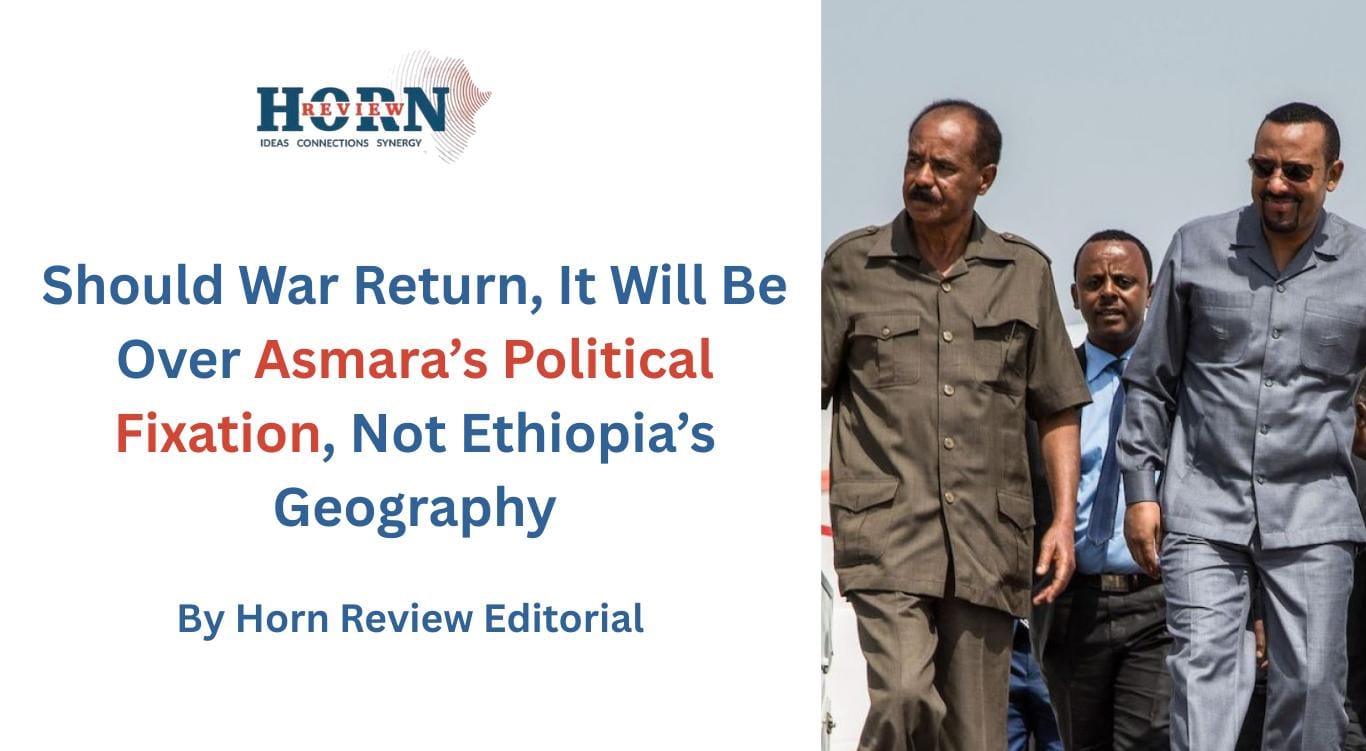
The Complex Dynamics of Ethiopia and Eritrea: Beyond Maritime Access
The ongoing geopolitical tension between Ethiopia and Eritrea is often viewed narrowly through the lens of maritime access. While many analysts suggest that Ethiopia’s landlocked status drives its desire to reclaim ports, this explanation oversimplifies a deeply rooted historical and political conflict.
Historical Context of Eritrea’s Independence
Eritrea’s sovereignty was not attained through mutual agreements with Ethiopia but was largely the result of the unilateral decisions made by the Tigray People’s Liberation Front (TPLF) in Addis Ababa. After emerging victorious from a lengthy civil war, the TPLF allowed Eritrea to hold a referendum to secede from Ethiopia in 1993. This decision was made without a popular mandate, effectively ceding Ethiopia’s historical ports to Eritrea and fulfilling almost every demand from Eritrean leaders without negotiation.
Rise of Hostility Post-Separation
The initial hope for coexistence quickly deteriorated. By the late 1990s, the previously allied Eritrean regime pivoted dramatically, aggressively opposing the TPLF. The 1998-2000 war, often portrayed as a tactical struggle, was a significant miscalculation on Eritrea’s part. It underestimated the Ethiopian populace’s resilience and assumed a decisive military victory could alter Ethiopia’s political landscape to Eritrea’s advantage.
Eritrea’s Role as a Disruptor
Following the Algiers Agreement that ended the war, Eritrea transitioned from a belligerent nation to an insidious disruptor. Instead of fostering peace, Eritrea engaged in a sustained campaign aimed at destabilizing TPLF governance. By supporting proxy insurgencies and exacerbating internal divisions, Eritrea sought not only to undermine the TPLF but also to extend its influence back into Ethiopia.
Reigniting Hostility in the Tigray Conflict
The Tigray conflict marked a resurgence of Eritrea’s longstanding animosities toward Ethiopia. Rather than acting in a supportive capacity, Eritrea’s military intervention sought to systematically dismantle the TPLF, targeting both leadership figures and civilians. This calculated aggression was driven by historical grievances rather than immediate strategic necessities, highlighting the deep-rooted nature of Eritrean hostility.
Exploiting Ethiopia’s Transitional Phase
As Ethiopia entered a transitional phase post-conflict, Eritrea exploited the situation to further its agenda. Rather than contribute to stability, Eritrea’s actions indicated a fundamental opposition to Ethiopian unity. Even after formal agreements for Eritrean withdrawal had been established, Eritrea continued its destabilizing efforts by arming factions opposing the federally recognized government.
Understanding the Recent Developments
Recent political realignments in Eritrea, including movements like the emerging “Tsimdo” framework, must be viewed through this historical lens of mistrust and active interference. These developments are not merely reactions to territorial disputes or maritime access; rather, they signify a continuation of Eritrea’s long-standing strategy to disrupt Ethiopian sovereignty.
The Core Issue: Political Stability Over Geography
Ultimately, the narrative surrounding possible renewed conflict between Ethiopia and Eritrea must focus on political motivations rather than territorial disputes. Ethiopia has historically managed its loss of coastal access, and the real threat comes from Eritrea’s ongoing efforts to destabilize its neighbor, regardless of geographic considerations.
Conclusion
In summary, the relationship between Ethiopia and Eritrea is defined not by Ethiopia’s landlocked geography but by Eritrea’s enduring political malice and ideological rivalry. Tensions are fueled by a history of unresolved grievances that transcend maritime concerns. For the Horn of Africa, the emphasis should be placed on stabilizing political relationships, as it is not ports that spark conflicts; it is the relentless pursuit of political agendas that ultimately shapes the landscape of international relations in the region.
For further insights on this topic, consider reading about Ethiopia’s political dynamics or Eritrea’s foreign policy on Al Jazeera or The New York Times.
