




Ethiopia Anticipates $261 Million Boost from IMF Amid Economic Reforms
Ethiopia is set to receive $261 million from the International Monetary Fund (IMF) as part of its Extended Credit Facility (ECF) agreement. This funding comes following the completion of the fourth review of the ECF-supported program, which aims to address macroeconomic imbalances and enhance public debt sustainability.
Positive Economic Indicators
The IMF has noted that Ethiopia’s reform program is yielding favorable macroeconomic results, demonstrating accelerated growth and decreasing inflation rates. The total financing under the ECF arrangement is anticipated to reach approximately $2.13 billion, a significant contribution to the country’s economic stabilization efforts.
Supporting Growth and Stability
The new disbursement will aid in covering Ethiopia’s balance-of-payments needs and also provide essential budgetary funding. Additionally, this financial support is crucial for the implementation of the Home-Grown Economic Reform (HGER) initiative. The HGER seeks to correct macroeconomic distortions and foster private-sector-driven growth.
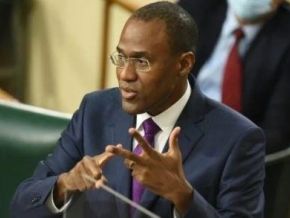
According to Nigel Clarke, IMF Deputy Managing Director, “The progress under Ethiopia’s Home-Grown Economic Reform (HGER) program continues, with favorable macroeconomic outcomes. Available indicators show accelerated growth since mid-2024, supported by strong gold, electricity, and agricultural production.” Clarke emphasized that the value of goods exports has doubled, inflation has decreased, and public revenues have risen sharply.
Challenges Ahead
Despite a reported economic growth rate of 8.1% for the 2023/2024 period, Ethiopia faces ongoing economic and social challenges. The country’s Human Development Index remains low at 0.38, with a per-capita income around $1,020. Additionally, inflation is projected at 17.5% as of September 2024, coupled with chronic foreign exchange shortages that impact imports and threaten medium-term macroeconomic stability.
The IMF has urged Ethiopian authorities to persist in implementing monetary, financial, and foreign-exchange market reforms to bolster macroeconomic stability, control inflation, and support private-sector growth. Sustained reform momentum is deemed essential for future economic success.
Conclusion
In summary, the $261 million disbursement from the IMF under the ECF is expected to enhance Ethiopia’s economic stability and support critical reforms. With the total funding from this arrangement expected to hit $2.13 billion, Ethiopia is taking significant steps toward correcting its macroeconomic imbalances and ensuring a more sustainable economic future.
For more insights on Ethiopia’s economic reforms and IMF support, visit the IMF News.
This article provides a comprehensive overview of Ethiopia’s economic landscape and the support it receives from the IMF, framed within the context of ongoing reforms and challenges.
