




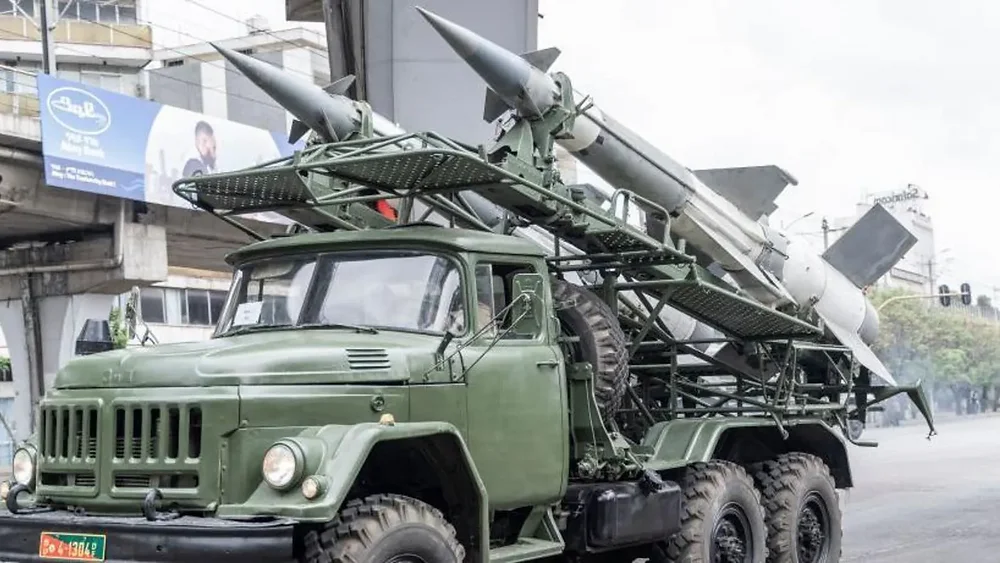
Ethiopia Accuses Eritrea of Militarization: Tensions Rise Over Red Sea Control
Background on Ethiopia-Eritrea Relations
Ethiopia and Eritrea share a complicated history, punctuated by a brutal border conflict from 1998 to 2000 over the town of Badme. Although both countries established a peace agreement following years of hostility, recent developments have reignited tensions, particularly concerning strategic control of the Red Sea.
Recent Accusations from Ethiopia
In a recent letter addressed to UN Secretary-General Antonio Guterres, Ethiopia’s Foreign Minister Gedion Timothewos has accused Eritrea of preparing for war, alleging collaboration with opposition forces within Ethiopia. This accusation marks a significant escalation in the already strained relations between the two nations, particularly regarding access to the Red Sea, a vital trade route.
Claims of Collusion and Support for Armed Groups
Ethiopia’s allegations suggest that Eritrea is not acting alone but in concert with elements of the Tigray People’s Liberation Front (TPLF), which has been deeply involved in the internal conflict within Ethiopia. According to Gedion, “the hardliner faction of the TPLF and the Eritrean government are actively preparing to wage war against Ethiopia.”
This claim points to a coordinated effort to destabilize the current Ethiopian administration under Prime Minister Abiy Ahmed, potentially serving as a proxy war to counter any military incursions aimed at seizing Eritrean ports.
Eritrea’s Response and Regional Dynamics
As of now, Eritrea has remained silent on these allegations, yet the relationship between the two countries has soured significantly over the past few months. Ethiopia has been actively working to regain its access to the Red Sea, leading to heightened concerns in Eritrea, particularly given its historical control of the coastline post-independence in 1993.
The Role of the TPLF in the Conflict
Gedion’s letter also highlights the TPLF, particularly its hardline faction, as being instrumental in mobilizing armed groups in the Amhara region, where conflict has recently intensified. This aligns with the government’s assertions that Eritrea is providing not only financial support but also strategic guidance to these militia forces.
Internal Ethiopian Conflicts and Broader Implications
While external tensions mount, Ethiopia faces an increasingly complex domestic landscape. Reports indicate that the Fano militia, once allied with the Ethiopian government, is now in conflict with it, asserting that they are defending the Amhara ethnic group. Their ambitions seem to have shifted towards undermining Abiy Ahmed’s government.
The Addis Standard, a locally owned newspaper, reported on allegations that the Fano, with assistance from Eritrean and TPLF elements, captured the strategic town of Woldiya in September. This adds another layer to the conflict, revealing the multifaceted nature of both external and internal pressures facing Ethiopia.
Historical Context and Current Developments
Historically, Eritrea fought alongside Ethiopian forces during the TPLF conflict but has not been directly involved in peace negotiations. Critics of the Ethiopian government, particularly factions within the TPLF, accuse Abiy’s administration of failing to fulfill a October 2022 peace agreement aimed at stabilizing Tigray.
The TPLF faction, led by Debretsion Gebremichael, has publicly branded Gedion’s accusations as “fabricated” stories intended to distract from Ethiopia’s failures concerning the peace deal.
The Quest for Red Sea Access
Ethiopia, being landlocked, has resumed discussions on regaining access to the Red Sea, a point underscored by President Taye Atske Selassie, who highlighted the importance of the Red Sea and River Nile as essential resources for the nation. This assertion drew sharp reactions from Eritrea, with Information Minister Yemane Gebremeskel dismissing the Ethiopian rhetoric as “too crass and pathetic.”
This sentiment reflects a broader concern that Ethiopia’s ambitions regarding sea access could lead to further destabilization in the region.
Conclusion
The mounting tensions between Ethiopia and Eritrea are emblematic of a broader geopolitical struggle within the Horn of Africa. With accusations flying and regional dynamics evolving, the potential for conflict looms large, emphasizing the need for diplomatic engagement to avert an escalation that could have grave consequences for the region.
For further insights on these developing issues, consider exploring additional analyses on BBC or reports on Ethiopian politics.
