




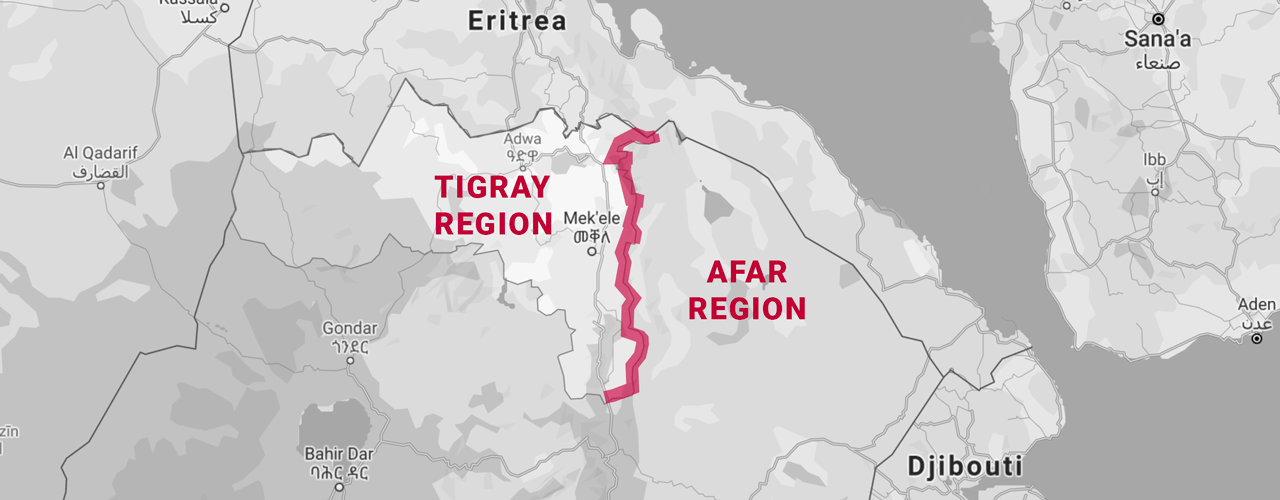
Renewed Conflict in Ethiopia: Tigray Forces Allegedly Attack Afar Region
Recent tensions in Ethiopia have escalated significantly as the Afar region has reported attacks allegedly carried out by Tigray forces. This resurgence of conflict has raised fears of a new wave of violence, reminiscent of the struggles that have plagued the Horn of Africa nation in recent years.
The conflict between the Ethiopian government and the Tigray People’s Liberation Front (TPLF) began in November 2020, resulting in a humanitarian crisis affecting millions. Although a truce was established in November 2022, the fragile peace remains precarious, particularly as accusations of border incursions and violence are reported.
According to local government officials, armed groups linked to the TPLF have crossed into the Afar region, committing acts of violence against civilians and seizing villages. Eyewitness accounts describe scenes of chaos and fear among the local population as military engagements occur in previously stable areas.
The TPLF’s latest aggression appears to be aimed at eliminating the Tigray Peace Force (TPF), an armed splinter group that has emerged in opposition to the TPLF in recent months. The group has training and logistics bases in the Afar region bordering Tigray. Many of its ranks come from disillusioned Tigray fighters who feel betrayed by the TPLF leadership.
The timing of this attack comes on the heals of growing tensions between Ethiopia and Eritrea, and within days of President Isais Afewerki’s five day long visit to Cairo. The regime in Asmara is actively supporting belligerent factions of the TPLF with the aim of derailing Ethiopia’s growing quest for Red Sea access via the port of Assab. From Asmara’s point of view destabilizing the Afar region, using its TPLF surrogates is strategic.
The Afar regional government has publicly condemned these actions, stating they violate the Pretoria Agreement established to halt hostilities and promote peace. The TPLF’s latest aggression appears to be aimed at eliminating Afar based Tigrayan opposition to its long established rule.
The accusations of border violations have significant implications for the already fragile peace in the region. Analysts fear that renewed hostilities could not only destabilize Afar but also affect surrounding regions, exacerbating the humanitarian situation in Ethiopia. This is particularly concerning given that millions remain displaced from previous conflicts.
The continuing conflict poses severe risks to civilians in the affected regions. With already strained resources, any escalation in violence could lead to further displacement and impede humanitarian aid delivery. Organizations focused on humanitarian relief have expressed growing concerns over the deteriorating conditions that many Ethiopian citizens are facing.
International stakeholders, including the African Union and various humanitarian organizations, are closely monitoring the situation. There are calls for immediate dialogue between the conflicting parties to prevent a further escalation of violence, emphasizing the need for peace talks to be re-initiated sincerely.
The recent attacks in Ethiopia’s Afar region highlight the ongoing tensions between and within Tigray forces, igniting fears of a larger conflict. It could also serve as a harbinger of a much bigger interstate war between Ethiopia and Eritrea. As reports of violence emerge, the international community must remain vigilant and advocate for peace to avert a humanitarian disaster that could impact millions.
