




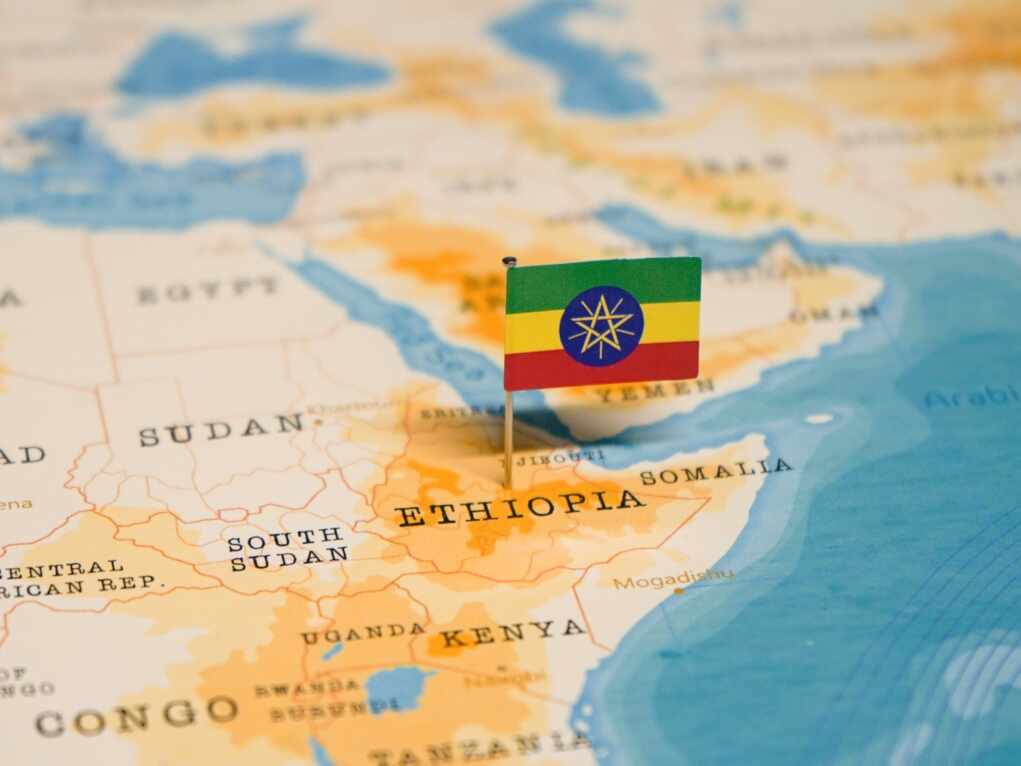
Ethiopia’s Foreign Policy: Balancing Domestic Realities and Global Engagement
Foreign policy serves as a reflection of a nation’s internal orientation, embodying both its strategic capabilities and limitations. The decisions made beyond a nation’s borders often mirror the complexities present within. For Ethiopia, navigating this intricate relationship between domestic and foreign policy has been pivotal in shaping its regional and global standing.
Historical Context: The EPRDF Era
For years, Ethiopia’s foreign policy was guided by the 2002 Foreign Affairs and National Security Policy and Strategy under the Ethiopian People’s Revolutionary Democratic Front (EPRDF). This framework emphasized a link between foreign engagement and internal development, viewing external threats as extensions of domestic challenges such as poverty and social fragmentation. The strategy operated on the premise that a stable domestic environment would lead to enhanced regional influence.
Institutional Cohesion and Diplomatic Consistency
During the EPRDF administration, key governmental bodies— including the Prime Minister’s Office, the Ministry of Foreign Affairs, and the National Intelligence and Security Service—worked closely together. This coordinated approach fostered a predictable foreign policy that enabled Ethiopia to take on constructive roles in regional matters. Notable examples include Ethiopia’s significant involvement in negotiations surrounding the Grand Ethiopian Renaissance Dam and its mediation efforts in South Sudan.
Transition to Medemer: A Shift in Political Philosophy
The political transformation in 2018 brought forward the concept of Medemer, promoting reconciliation and inclusive governance. This philosophical shift aimed to enhance political authority through building relationships with regional neighbors and global partners. Initial diplomatic efforts under this new paradigm opened up channels for cooperation and reconciliation, reflecting the evolving nature of Ethiopia’s foreign policy.
Challenges in Implementing Inclusive Practices
Integrating Medemer into the fabric of Ethiopia’s diplomatic practices is an ongoing endeavor. As the country adapts to more inclusive diplomatic strategies, it continues to contend with internal challenges, including debates on federalism and economic instability. These domestic issues often complicate the pursuit of long-term strategic goals, as immediate logistical and financial support becomes paramount.
Strategic Considerations: The Need for Diversified International Engagement
For decades, Ethiopia relied heavily on a single transit partner for maritime access. Recent initiatives aim to diversify transit and port options, highlighting the necessity to address logistical challenges effectively. These efforts are critical to safeguarding national interests and fostering regional stability. The reception of these initiatives underscores the importance of transparent framing and inclusive engagement.
The Role of Institutional Frameworks
To reconstitute a coherent foreign policy, Ethiopia must not revert to previous models but instead synthesize effective elements from the past with contemporary ideals of inclusiveness. A comprehensive foreign policy framework that articulates national interests across various domains—economic, diplomatic, and security—would enhance alignment among ministries and agencies, offering clarity for international audiences.
Institutional Design and Credibility
Establishing credibility in foreign relations necessitates a robust institutional framework. A permanent interagency council for foreign affairs could facilitate consistent dialogue among key stakeholders, including the foreign ministry and defense institutions. Transparent procedures would ensure that technical expertise informs both strategy and execution, thus maintaining a balance between continuity and adaptability.
Sustaining Regional Cooperation
Achieving policy coherence involves careful sequencing and fostering genuine regional ownership. It is critical to present strategic projects as opportunities for mutual benefit and regional integration, transforming potential zero-sum scenarios into collaborative ventures.
Moving Forward: Ethiopia’s Diplomatic Evolution
Ethiopia’s evolving diplomatic landscape is characterized by thoughtful adaptation, rather than radical shifts. By blending historical practices with modern inclusive principles, Ethiopia can develop a foreign policy that is both principled and responsive to emerging challenges.
Key Strategies for Effective Engagement
For Ethiopia to realize its potential, it requires:
- Clear Policy Guidance: Codifying its foreign policy to align with national interests.
- Institutional Routines: Maintaining expertise within the diplomatic corps.
- Genuine Regional Partnerships: Engaging in sincere collaborations to tackle common challenges.
Combining these elements with transparent consultation, Ethiopia can effectively navigate its immediate national interests while contributing positively to a stable regional order.
Conclusion
The path ahead for Ethiopia calls for pragmatic and actionable strategies rooted in clear doctrine and collaborative practices. By fostering diplomatic engagements that reflect its domestic commitments to dialogue and inclusion, Ethiopia can enhance its strategic steadiness and contribute to a resilient, cooperative international landscape.
For further insights on Ethiopia’s foreign policy and its implications, explore resources from The Diplomat and Council on Foreign Relations.
