




Meta Title: Eritrea Cuts Ties with Ethiopia: Diplomatic Collapse Threatens Horn of Africa Stability
Meta Description: Eritrea severs diplomatic relations with Ethiopia amid rising regional tensions involving Egypt, Sudan, and the GERD dispute. Analysis of the crisis, historical context, and risks of wider conflict in the Horn of Africa.
Focus Keyword: Eritrea cuts ties with Ethiopia
Slug: /eritrea-cuts-ties-ethiopia-diplomatic-crisis-horn-africa
Eritrea Cuts Ties with Ethiopia: Diplomatic Collapse Threatens Horn of Africa Stability
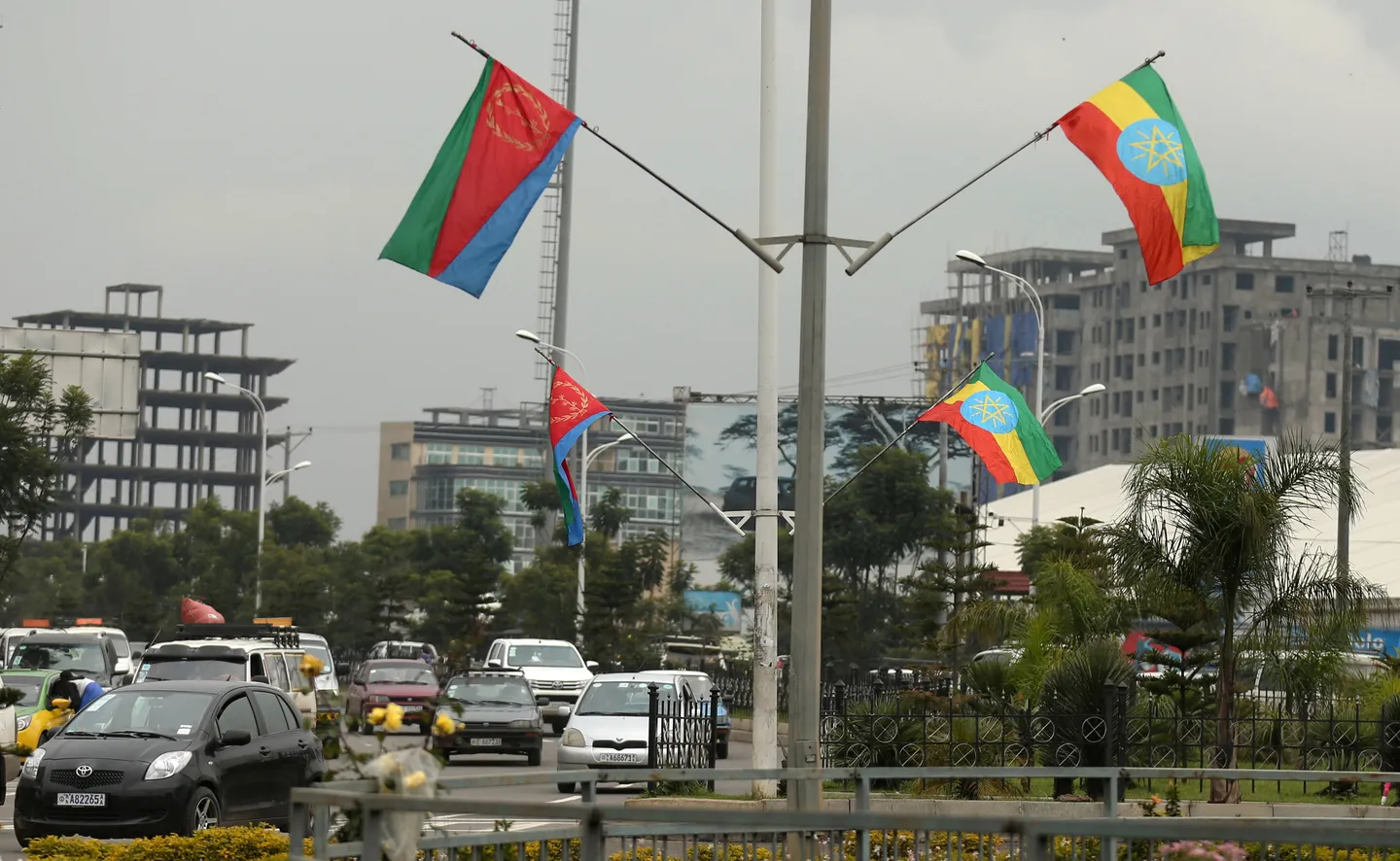
The Horn of Africa is facing a dangerous new diplomatic rupture after Eritrea cuts ties with Ethiopia, marking a severe deterioration in relations between the two neighbors. The breakdown, confirmed by the BBC, follows Ethiopia’s decision to close its embassy in Asmara, triggering a reciprocal expulsion of diplomats that now draws in Egypt and Sudan.
This escalation threatens to unravel fragile peace agreements and risks broadening a conflict landscape already scarred by civil war, border disputes, and competition over vital water resources.
What Triggered the Diplomatic Collapse?
The immediate catalyst for the severance was a series of explosive allegations by the Ethiopian government. Addis Ababa accused Eritrea, Sudan, and Egypt of forming a coalition to support an Ethiopian opposition alliance aimed at destabilizing the state. All three nations have categorically denied these claims.
The situation rapidly escalated into a tit-for-tat diplomatic expulsion:
- Ethiopia closed its embassy in Asmara and expelled an Egyptian diplomat.
- Egypt responded immediately by expelling an Ethiopian official in Cairo.
- Eritrea announced it had “no option but to reciprocate in kind,” formally severing all diplomatic ties.
Al Jazeera reports that this cycle of retaliation signals a shift from “cold peace” to open diplomatic warfare, raising the specter of proxy conflicts across the region.
Regional Reactions: Restraint vs. Retaliation
The international response has exposed a sharp divide between institutional calls for calm and the hardline posturing of the states involved.
African Union Urges Restraint
The African Union Commission (AUC) issued a statement urging all parties to refrain from actions or statements that could worsen tensions. The AU emphasized peaceful conflict resolution and dialogue as the only viable path forward.
Involved Nations Double Down
Contrary to the AU’s appeal, the belligerents have embraced reciprocity as a doctrine.
- Eritrea’s Foreign Ministry stated the severance carries “all the negative corollaries that this entails,” signaling a long-term freeze.
- Egypt’s Foreign Ministry Spokesperson, Nader Zaki, justified Cairo’s expulsion by declaring, “Reciprocity is the currency of diplomacy.”
Expert Analysis: Laura Hammond, Professor of Development Studies at SOAS University of London, warned that the risks of conflict spreading are “already playing out,” citing Eritrea’s alleged support for the TPLF and the Alliance for Survival. She notes that while reciprocity feels justified in the short term, it creates dangerous circumstances for civilians.
Why This Crisis Is Ineffective for Regional Security
The current strategy of countermeasures over communication is failing to de-escalate the crisis.
- No Direct Dialogue: There are no active backchannels or high-level talks reported between Asmara, Addis Ababa, and Cairo.
- Erosion of Trust: Retaliatory expulsions deepen mistrust, making future negotiations on core issues (borders, water, security) exponentially harder.
- Civilian Risk: History shows that diplomatic vacuums in the Horn are quickly filled by armed non-state actors and militia mobilization.
A Sustainable Path Forward Requires:
- Immediate Direct Negotiations: Addressing underlying grievances (sea access, GERD, border security).
- AU Mediation: Leveraging the African Union Peace and Security Council (PSC) for structured dialogue.
- Pressure Mechanisms: If diplomacy stalls, the AU Assembly may need to consider targeted sanctions to incentivize a return to the table.
Historical Context: From Allies to Adversaries
Understanding the current rupture requires looking at the volatile history binding these nations.
| Year | Event | Significance |
|---|---|---|
| 1993 | Eritrean Independence | Ethiopia loses its coastline, becoming the world’s most populous landlocked nation. |
| 1998–2000 | Badme Border War | Tens of thousands die; border closes for two decades. |
| 2018 | Peace Deal & Border Reopening | PM Abiy Ahmed & Pres. Isaias Afwerki normalize ties; Ethiopia gains port access via Massawa/Assab. |
| 2020–2022 | Tigray War | Eritrea & Ethiopia fight as allies against the TPLF. |
| Post-2022 | Diverging Interests | Tensions resurge over Ethiopia’s push for Red Sea access and the GERD dispute. |
The Core Drivers of Current Distrust
- Ethiopia’s Red Sea Ambition: PM Abiy Ahmed has declared Red Sea access an “existential necessity”, alarming Eritrea, which views its ports as sovereign leverage.
- The GERD Dispute: Egypt fears the Grand Ethiopian Renaissance Dam (GERD) will throttle its Nile water share, pushing Cairo closer to Asmara and Khartoum.
- Proxy Allegations: Ethiopia claims a “tripartite alliance” (Eritrea, Egypt, Sudan) backs internal opposition; the accused deny it, calling it a pretext for internal crackdown.
Implications for Regional Security & Economy
Ethiopia’s Strategic Nightmare
With relations severed, Ethiopia’s quest for sea access becomes significantly harder. Loss of Eritrean port facilities forces total reliance on Djibouti, creating a single point of failure for 95% of Ethiopian trade.
The Sudan Factor
Sudan’s ongoing civil war (SAF vs. RSF) adds volatility. Khartoum’s alignment with Cairo and Asmara against Addis Ababa could internationalize Sudan’s internal conflict, drawing Ethiopian troops deeper into border zones.
Humanitarian Fallout
The UN OCHA warns that diplomatic breakdowns hinder cross-border aid delivery, particularly for refugees and IDPs in Tigray, Afar, and Eritrean border zones.
What to Watch Next: Key Developments
- AU Peace and Security Council Session: Will the PSC convene an emergency session or impose sanctions?
- Resumption of Talks: Any signal of Track II diplomacy or backchannel talks via UAE, Saudi Arabia, or Turkey.
- Military Posturing: Troop movements along the Eritrea-Ethiopia border (Zalambessa/Rama) or the Ethiopia-Sudan border (Al-Fashaga).
- GERD Negotiations: A potential collapse of the AU-led GERD talks (Ethiopia, Egypt, Sudan) would confirm a total regional fracture.
Conclusion: The Cost of Silence
The decision where Eritrea cuts ties with Ethiopia is not merely a bilateral spat; it is a structural shock to the Horn of Africa’s security architecture. Without sustained diplomatic engagement, the region risks a return to the “no war, no peace” stalemate of the 2000s—only this time with more actors, more weapons, and less international bandwidth to manage the fallout.
The African Union and international partners must move beyond statements of concern to enforced mediation frameworks. The alternative is a deepening vortex of instability that will punish civilians long after the diplomats have left the buildings.
Frequently Asked Questions (FAQ)
Why did Eritrea cut ties with Ethiopia? Eritrea severed ties in retaliation for Ethiopia closing its embassy in Asmara and expelling diplomats, amidst accusations from Addis Ababa that Asmara, Cairo, and Khartoum are backing Ethiopian opposition groups.
How does the GERD dam affect Ethiopia-Egypt relations? The Grand Ethiopian Renaissance Dam (GERD) is a major hydroelectric project on the Blue Nile. Egypt views it as an existential threat to its water security, while Ethiopia sees it as vital for development. This dispute is a core driver of the current Egypt-Ethiopia-Eritrea alignment against Addis Ababa.
What role does the African Union play in this conflict? The AU has called for restraint and dialogue. Its Peace and Security Council (PSC) has the mandate to impose sanctions or authorize mediation missions, but it has historically struggled to enforce decisions on powerful member states.
Does Ethiopia still have access to the sea? Currently, Ethiopia relies almost entirely on Djibouti’s ports. The 2018 agreement granted access to Eritrean ports (Assab/Massawa), but the current diplomatic freeze makes that access politically precarious and logistically difficult.
