




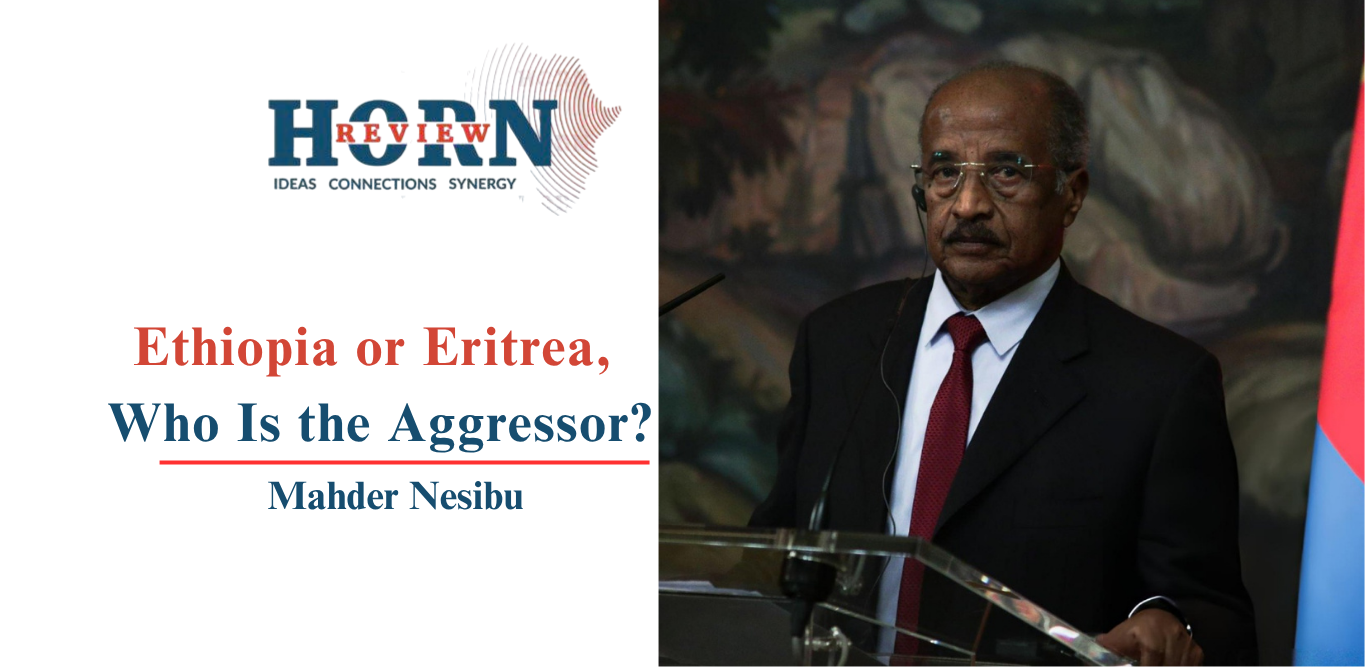
Eritrea-Ethiopia Conflict Escalation 2026: Border Incursion, Proxy Alliances, and the UN Showdown
Meta Description: Analyzing the 2026 Eritrea-Ethiopia conflict escalation: Eritrean troops deep in Tigray, the TPLF-led rebel coalition, Ethiopia’s UN Article 51 invocation, and the legal contradictions of Asmara’s direct intervention.
The Horn of Africa faces a dangerous new flashpoint as Eritrea and Ethiopia trade accusations of aggression at the United Nations Security Council, marking a severe deterioration of relations just four years after a celebrated rapprochement. In early October 2026, Addis Ababa formally notified the UNSC that Eritrean Defence Forces (EDF) had penetrated up to 60 kilometres inside Ethiopian territory, labeling it a “blatant act of aggression.” Asmara swiftly retaliated with a counter-letter accusing Ethiopia of preparing for a war “declared for over three years now.”
This diplomatic clash reflects a kinetic reality on the ground: a lightning Ethiopian National Defence Force (ENDF) counteroffensive that reversed a surprise September rebel offensive, exposing direct Eritrean military involvement in support of a coalition of Ethiopian armed groups.
From Pretoria Peace to Proxy War: The Roots of the 2026 Escalation
The current crisis is the culmination of a gradual unraveling following the November 2022 Pretoria Agreement, which halted the devastating Tigray War between the federal government and the Tigray People’s Liberation Front (TPLF). While the deal mandated the TPLF’s disarmament and the restoration of federal authority in Tigray, its implementation fractured the Tigrayan movement.
Hardline factions within the TPLF, viewing the agreement as a surrender, sidelined the Pretoria signatories and consolidated power in the region. In a stunning geopolitical reversal, these hardliners forged a tactical alliance with Eritrea’s President Isaias Afwerki—the very adversary whose forces had fought brutally against the TPLF during the 2020–2022 war. This realignment provided Asmara with a primary vehicle to pressure Addis Ababa.
Simultaneously, the 2018 peace deal between Abiy Ahmed and Isaias Afwerki collapsed. Prime Minister Abiy publicly cited Eritrea’s brutal conduct in Tigray as a primary cause for the rupture. Tensions spiked further when Ethiopia asserted its strategic aim of regaining Red Sea access—lost after Eritrea’s 1993 secession—though Addis Ababa explicitly ruled out using force to achieve it. Asmara interpreted this as an existential threat, framing Ethiopian “expansionism” as the core driver of instability.
The Rebel Coalition: Eritrea’s Revival of Proxy Politics
The September 2026 offensive did not feature the TPLF alone. It was spearheaded by a coalition of seven rebel groups, a structure analysts identify as a revival of Eritrea’s decades-old strategy of using proxies to offset its conventional military disadvantage against larger neighbors.
According to intelligence reports and conflict monitoring by ACLED (Armed Conflict Location & Event Data Project), this “anti-Abiy front” integrated diverse actors:
- TPLF (Tigray): The coalition’s spearhead.
- Amhara Fano National Movement (AFNM): Operating in neighboring Amhara region, reportedly receiving logistical support and political coordination via Sudan.
- Afar Revolutionary Democratic Unity Front (ARDUF): Leadership relocated to Eritrea prior to the offensive.
- Oromo Liberation Army (OLA): Active in Oromia, expanding the conflict’s geographic scope.
This multi-front approach aimed to stretch the ENDF thin, a classic proxy warfare tactic employed by Asmara during the 1998–2000 border war and the subsequent “no war, no peace” era.
Direct Intervention: Eritrean Troops in Adigrat and Afar
The conflict shifted from proxy support to direct state-on-state warfare in late September. As the ENDF launched a rapid counteroffensive, pushing back rebel gains in the Afar region and advancing toward Tigray’s capital, Mekelle, evidence of Eritrea’s direct combat role became undeniable.
- Late September: The head of the Afar region confirmed Eritrean forces were fighting directly alongside the TPLF and ARDUF.
- Intelligence Reports: Prior to the clashes, the EDF was observed mobilizing along the Afar border.
- The Adigrat Incursion: The most significant escalation was the EDF’s movement into Adigrat, Tigray’s second-largest city, situated a short distance from Mekelle. This deep penetration—far beyond border skirmishing zones—prompted Ethiopia’s Foreign Minister to invoke the country’s inherent right to self-defense at the UN.
Analysts at the Horn Review suggest this direct intervention was a reactive measure: a desperate attempt by Asmara to shore up a collapsing buffer zone and prevent the total defeat of its TPLF allies.
The UN Security Council Showdown: Article 51 vs. Narrative Warfare
The exchange of letters at the UN Security Council in early October crystallized the legal and narrative battle.
Ethiopia’s Position (Letter dated Oct 9): Addis Ababa invoked Article 51 of the UN Charter, the cornerstone of international law recognizing the “inherent right of individual or collective self-defence if an armed attack occurs.” By reporting the 60km incursion and stating it was taking “measures of self-defence,” Ethiopia framed its military response as lawful and necessary.
Eritrea’s Rebuttal (Letter dated Oct 10): Asmara’s reply, delivered by Foreign Minister Osman Saleh, doubled down on the narrative of Ethiopian expansionism. It cited Addis Ababa’s Red Sea ambitions as proof of aggressive intent, portraying Eritrea’s actions as preemptive or defensive against a long-threatened invasion.
The Legal Contradiction
International legal observers note a fundamental contradiction in Eritrea’s stance. By deploying conventional forces deep into sovereign Ethiopian territory (Adigrat, Afar) without UNSC authorization or a valid self-defense claim against an imminent attack from that specific territory, Eritrea has committed what the UN Charter defines as aggression—the “use of armed force by a State against the sovereignty, territorial integrity or political independence of another State.”
Ethiopia’s reliance on Article 51 rests on stronger legal footing if the facts of the incursion are verified: a sovereign state responding to the physical presence of foreign troops on its soil. Eritrea’s argument—that Ethiopia might attack in the future due to maritime rhetoric—does not meet the Caroline test criteria for anticipatory self-defense (instant, overwhelming, leaving no choice of means).
Implications for the Horn of Africa
The October 2026 escalation signals a potential return to the catastrophic interstate warfare of the late 1990s. The collapse of the Pretoria process, the weaponization of Ethiopian internal factions by a foreign power, and the breakdown of the 2018 peace architecture have created a volatile mix.
Key questions remain:
- Will the UNSC act? Historically deadlocked on Horn issues, the Council may issue a presidential statement calling for withdrawal, but enforcement is unlikely.
- Can the ENDF sustain gains? Pushing the EDF back across the recognized international border requires combat power that risks triggering a wider war.
- The Fate of the TPLF Hardliners: With their Eritrean backer now directly exposed and potentially overstretched, the political future of the Tigray administration hangs in the balance.
As the dust settles on the diplomatic correspondence, the military reality on the ground—Eritrean trenches in Adigrat, ENDF advances in Tigray, and active fronts in Amhara, Afar, and Oromia—dictates that the Eritrea-Ethiopia conflict has entered its most dangerous phase since 2000.
Frequently Asked Questions (FAQ)
What triggered the October 2026 Eritrea-Ethiopia diplomatic crisis? Ethiopia sent a letter to the UN Security Council on October 9 accusing Eritrea of sending forces 60km deep into Ethiopian territory (Afar and Tigray regions). Eritrea replied on October 10, accusing Ethiopia of preparing for war for years.
What is the Pretoria Agreement? Signed in November 2022, the Pretoria Agreement was a cessation of hostilities deal between the Ethiopian Federal Government and the TPLF to end the Tigray War. It required TPLF disarmament and restoration of federal services/authority in Tigray.
Who is fighting in the current coalition against the Ethiopian government? A coalition of seven groups led by the TPLF hardliners, including the Amhara Fano National Movement (AFNM), the Afar Revolutionary Democratic Unity Front (ARDUF), and the Oromo Liberation Army (OLA).
What is Article 51 of the UN Charter? Article 51 recognizes the inherent right of individual or collective self-defence if an armed attack occurs against a Member of the United Nations, until the Security Council has taken measures necessary to maintain international peace and security.
Why is Eritrea supporting the TPLF after fighting them in 2020-2022? Geopolitical realignment. Following the collapse of the 2018 Abiy-Isaias rapprochement and tensions over Red Sea access, Asmara views the TPLF hardliners as a useful proxy to pressure Addis Ababa and secure a buffer zone, reviving a historical strategy of proxy politics in the Horn.
Related Reading:
