




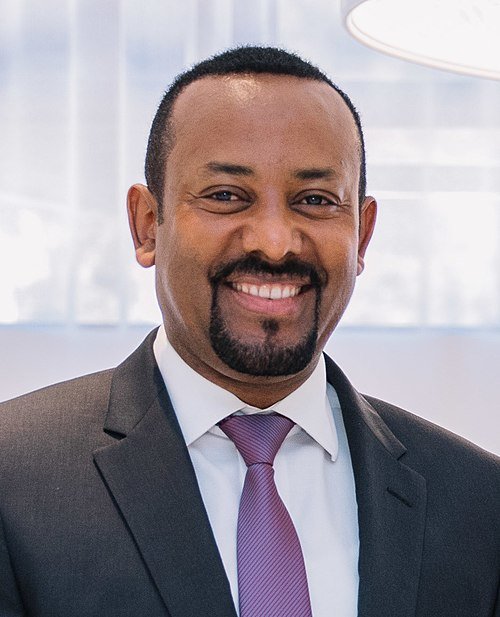
Meta Title: Ethiopia’s Fayda Digital ID Poised to Boost GDP by 7%, Says PM Abiy Ahmed
Meta Description: Prime Minister Abiy Ahmed projects a 7% GDP increase from Ethiopia’s Fayda digital ID system. Explore how 50M+ registrations drive financial inclusion, data privacy, and alignment with Agenda 2063.
Focus Keyword: Ethiopia Fayda digital ID
Slug: ethiopia-fayda-digital-id-gdp-growth-abiy-ahmed
Ethiopia’s Fayda Digital ID System Could Lift GDP by 7%, Prime Minister Abiy Ahmed Announces
Addis Ababa – Ethiopian Prime Minister Abiy Ahmed has declared that the nation’s flagship national digital identification program, Fayda, carries the potential to increase the country’s Gross Domestic Product (GDP) by 7 percent. The announcement underscores the government’s commitment to leveraging Digital Public Infrastructure (DPI) as a primary engine for economic transformation and sovereign development.
According to reports by TV BRICS, a partner of the News Agency of Nigeria (NAN), the Prime Minister emphasized that beyond economic metrics, the Fayda digital ID system is architected to safeguard citizen data privacy and secure Ethiopia’s long-term economic sovereignty.
Key Takeaway: Fayda is not merely an identification tool; it is a foundational layer for Ethiopia’s digital economy, projected to unlock significant GDP growth while aligning with continental and global development frameworks.
What Is the Fayda Digital ID System?
Launched under a legal framework established in 2023, Fayda (meaning “value” or “benefit” in Amharic) serves as the cornerstone of Ethiopia’s transition to a digital society. The system operates by combining biometric data (fingerprints and facial recognition) with demographic information to assign a Unique Identification Number (UIN) to every registered resident.
This foundational ID acts as a “digital key,” enabling seamless, paperless authentication across government and private sector platforms.
Core Technical Features
- Biometric Deduplication: Ensures one person = one identity, eliminating ghost beneficiaries and fraud.
- Interoperability: Built on open standards (similar to MOSIP architecture) to integrate with diverse service delivery platforms.
- Offline Authentication: Critical for rural connectivity challenges, allowing verification without constant internet access.
Rapid Rollout: 50 Million Registrations and Counting
The adoption rate of the Ethiopia digital ID has been unprecedented. As of the latest reports, nearly 50 million citizens have been enrolled in the system. This massive uptake has been facilitated by a widespread registration network and aggressive integration timelines.
Integration Milestones
The system has already been integrated into more than 150 public and private institutions, including:
- Financial Institutions: Major banks (Commercial Bank of Ethiopia, Dashen, Awash) and microfinance institutions for e-KYC (Know Your Customer) compliance.
- Telecom Operators: Safaricom Ethiopia and Ethio Telecom for SIM registration.
- Government Services: Tax administration, social protection programs (PSNP), and civil service management.
Projected Target: The National ID Program (NIDP) aims to register 115 million users by the 2027–2028 financial year, effectively covering the vast majority of the adult population.
Economic Impact: How Fayda Drives the 7% GDP Projection
The Prime Minister’s projection of a 7% GDP boost aligns with global research on Digital Public Infrastructure (DPI). Studies by institutions like the World Bank and McKinsey Global Institute consistently show that robust digital ID systems unlock economic value through three primary channels:
1. Financial Inclusion & Credit Access
By providing a verifiable, trusted identity, Fayda allows the “unbanked” population to open accounts, access credit, and build financial histories instantly via e-KYC. This reduces onboarding costs for banks by up to 90% and expands the formal credit market.
2. Fiscal Efficiency & Leakage Reduction
The government saves billions annually by eliminating “ghost workers” in the civil service and duplicate beneficiaries in social safety net programs like the Productive Safety Net Programme (PSNP). These savings are redirected into productive capital expenditure.
3. Private Sector Innovation
A standardized API layer allows fintechs, agritechs, and healthtechs to build services on top of Fayda authentication, fostering a vibrant digital startup ecosystem in Addis Ababa and beyond.
Data Privacy, Sovereignty, and Legal Safeguards
Addressing concerns surrounding biometric data, PM Abiy Ahmed stressed that data privacy and economic sovereignty are non-negotiable design principles of Fayda.
- Data Localization: Citizen data is stored on sovereign infrastructure within Ethiopia, not on foreign clouds.
- Consent-Based Architecture: The system utilizes a tokenized authentication model (similar to India’s Aadhaar Virtual ID), meaning third parties receive a temporary token rather than the raw UIN or biometrics.
- Legal Framework: The Digital Identification Proclamation No. 1284/2023 provides the statutory mandate, defining data protection rights, penalties for misuse, and the governance structure of the National ID Authority.
Alignment with Global and Continental Agendas
The deployment of Fayda is strategically calibrated to meet international development commitments:
| Framework | Alignment Mechanism |
|---|---|
| UN Sustainable Development Goals (SDGs) | Directly supports SDG 16.9: “By 2030, provide legal identity for all, including birth registration.” Acts as an enabler for SDG 1 (No Poverty), SDG 8 (Decent Work), and SDG 10 (Reduced Inequalities). |
| African Union Agenda 2063 | Supports Aspiration 1 (Prosperous Africa based on inclusive growth) and Aspiration 6 (Development driven by people). Contributes to the African Continental Free Trade Area (AfCFTA) digital trade protocol by enabling cross-border identity verification. |
| World Bank ID4D Initiative | Ethiopia is a key focus country for the Identification for Development (ID4D) initiative, receiving technical and financial support for system design. |
Challenges and the Road Ahead
Despite the impressive velocity, challenges remain in achieving the 115 million target by 2027–2028:
- Last-Mile Connectivity: Reaching pastoralist and remote highland communities requires mobile registration kits and satellite-backed connectivity.
- Digital Literacy: Ensuring citizens understand their rights regarding consent and data usage.
- Cybersecurity Resilience: Continuous investment in Security Operations Centers (SOCs) and penetration testing is vital to maintain public trust.
Conclusion
Ethiopia’s Fayda digital ID represents one of Africa’s most ambitious Digital Public Infrastructure projects. With 50 million citizens already onboarded and a clear trajectory toward universal coverage, the system is rapidly becoming the “digital backbone” of the Ethiopian economy. If the Prime Minister’s projection holds, the 7% GDP uplift will serve as a compelling case study for developing nations globally: inclusive digital identity is not just a social good—it is hard economic infrastructure.
Frequently Asked Questions (FAQ)
What is Fayda in Ethiopia? Fayda is Ethiopia’s national digital identification system that assigns a unique number to residents using biometric and demographic data, enabling access to banking, government services, and telecoms.
How many people are registered in Fayda? As of the latest updates, nearly 50 million citizens have been registered, with a target of 115 million by the 2027–2028 fiscal year.
How does Fayda increase GDP? It increases GDP by lowering KYC costs for banks, reducing fraud in social programs, enabling credit scoring for the unbanked, and fostering a digital innovation ecosystem.
Is my biometric data safe with Fayda? Yes. The system operates under Proclamation No. 1284/2023, mandates data localization within Ethiopia, and uses tokenized authentication to prevent raw biometric sharing with third parties.
Which institutions accept Fayda ID? Over 150 institutions, including the Commercial Bank of Ethiopia, Ethio Telecom, Safaricom, Ethiopian Revenue Authority, and various federal ministries.
External Resources & Further Reading:
