




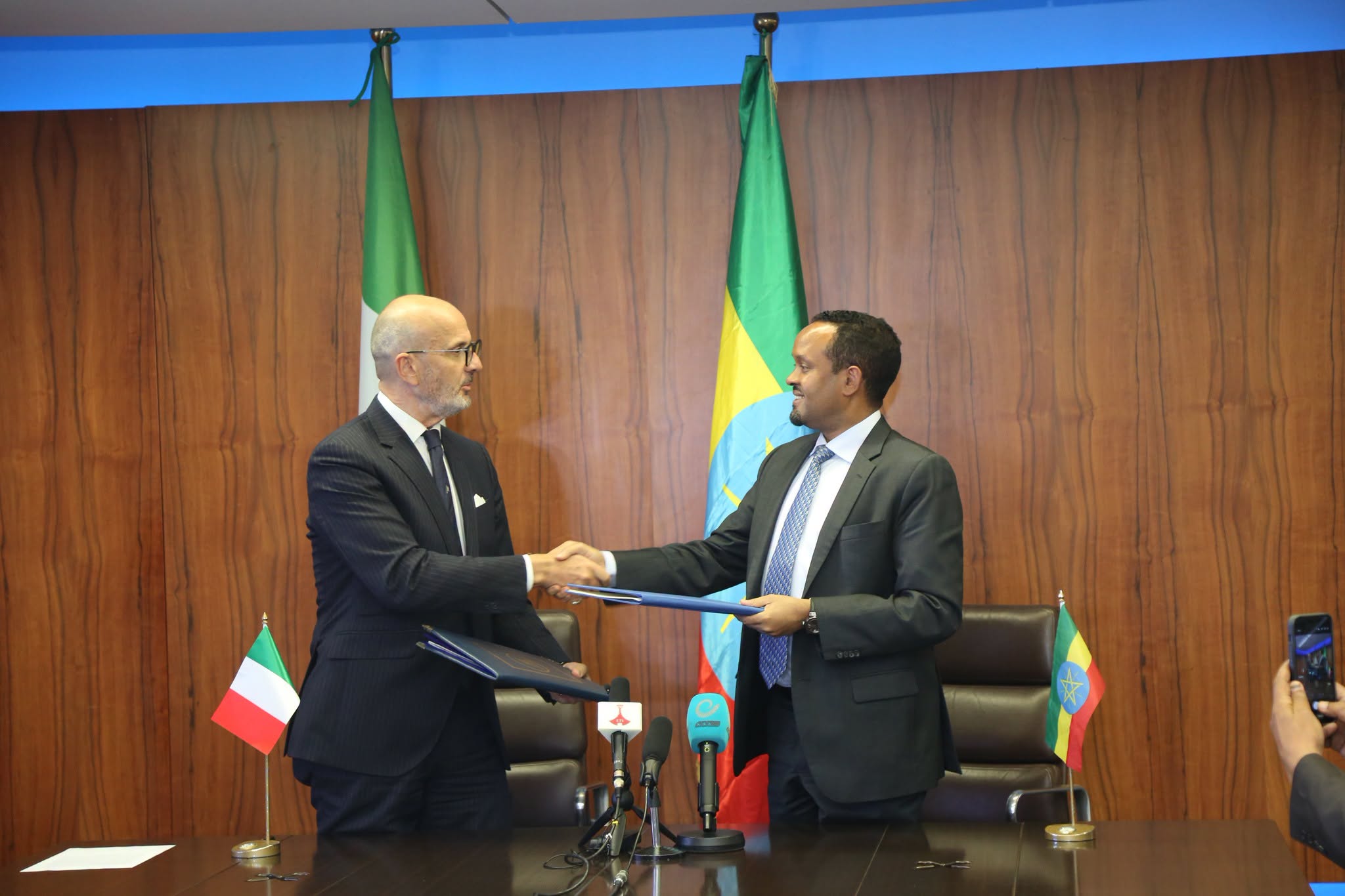
Ethiopia and Italy Sign €70 Million Concessional Loan to Boost DPO‑3 Reforms
Addis Ababa, 29 June 2026 – Ethiopia and Italy have concluded a €70 million concessional budget‑support loan that will fund the third Development Policy Operation (DPO‑3). The financing is coordinated with the World Bank and is aimed at strengthening macro‑economic stability, private‑sector growth and climate‑resilient development across the Horn of Africa.
Why the €70 Million Loan Matters for Ethiopia’s Reform Agenda
A catalyst for macro‑economic transition
Finance Minister Ahmed Shide highlighted that the agreement arrives at a “pivotal juncture” in Ethiopia’s macro‑economic transition. With inflation pressures easing and fiscal consolidation under way, the loan is expected to sustain reform momentum and protect economic stability while Ethiopia pursues its ambitious growth strategy — a strategy outlined in the World Bank’s Ethiopia Development Policy Operation (DPO‑3) framework.
Direct support for the three pillars of DPO‑3
The loan aligns with the three core pillars of DPO‑3:
| Pillar | Main Objective | Expected Impact |
|---|---|---|
| Economic Management & Fiscal Sustainability | Strengthen public finance management, improve tax collection, and contain public debt. | Greater fiscal space for social spending and infrastructure. |
| Private‑Sector‑Led Growth | Encourage private investment, especially in energy, agriculture and water sectors. | Higher job creation, increased productivity and diversified export base. |
| Resilience, Inclusion & Climate Sustainability | Boost climate‑smart agriculture, expand water‑security projects, and improve disaster preparedness. | More resilient livelihoods for vulnerable communities. |
Key Sectors Targeted by the Loan
Energy: Expanding Access & Private Participation
The loan will finance projects that extend electricity coverage to underserved regions and create a regulatory environment attractive to private investors. This follows Ethiopia’s recent push to diversify its energy mix with renewable sources such as wind and solar — see the latest analysis by the International Renewable Energy Agency (IRENA) here.
Agriculture: Strengthening Markets & Productivity
By improving market infrastructure and supporting modern farming techniques, the funding aims to raise agricultural yields and secure better prices for smallholder farmers. The World Bank’s Global Agriculture and Food Security Program provides useful context on similar interventions: World Bank Agriculture Overview.
Water: Enhancing Sustainability & Climate Resilience
Investments will focus on efficient irrigation, watershed management and climate‑resilient water supply systems. The UN‑DP World Water Assessment Programme outlines the importance of such measures for drought‑prone regions: UN Water Assessment.
Statements from the Signing Ceremony
-
Ahmed Shide (Ethiopia Finance Minister) – “Today’s signing represents more than financing. It is a strong vote of confidence in Ethiopia’s reform trajectory and a reaffirmation of our enduring partnership with Italy. Together, we will continue to advance inclusive, resilient, and sustainable growth for our people.”
-
Sem Fabrizi (Italian Ambassador to Ethiopia) – “The agreement supports the macro‑economic reforms driven by Prime Minister Abiy Ahmed and underlines Italy’s commitment to Ethiopia’s climate‑resilient policy agenda.”
Both officials emphasized that the loan will be implemented alongside World Bank financing, ensuring coordinated delivery of the DPO‑3 agenda.
How the Loan Will Be Disbursed
- Initial tranche – Disbursed within three months to fund priority projects in energy and water.
- Mid‑term tranche – Released after the first performance review, focusing on agricultural market upgrades.
- Final tranche – Linked to the achievement of specific fiscal and macro‑economic targets defined in the DPO‑3 results framework.
For more detail on concessional loan structures, consult the European Investment Bank’s guide on concessional financing: EIB Concessional Loans.
What This Means for Ethiopia’s Future
- Improved fiscal health – Lower borrowing costs and strengthened public finance management.
- Job creation – New private‑sector projects in renewable energy, agribusiness and water infrastructure.
- Climate resilience – Enhanced capacity to withstand droughts and floods, protecting food security.
- Stronger bilateral ties – The loan reinforces Italy’s role as a strategic development partner, complementing existing EU‑Ethiopia cooperation frameworks.
Related Articles
- Ethiopia’s Economic Outlook 2026: An analysis of growth forecasts and reform challenges.
- Italy’s Development Cooperation in Africa: Overview of recent projects and financing commitments.
Conclusion
The €70 million concessional loan from Italy marks a decisive step toward sustainable, inclusive growth in Ethiopia. Coupled with World Bank financing, the DPO‑3 operation will address structural bottlenecks, expand essential services and deepen the resilience of the most vulnerable populations. As Ethiopia continues its reform journey, this partnership underscores the value of coordinated international support in achieving long‑term development goals.
