




Focus Keyword: Sudan‑Ethiopia containment strategy
A Growing Containment Front Against Ethiopia: How Eritrea and Egypt Are Shaping Eastern Sudan
The rise of armed tribal militias in eastern Sudan is more than a local security problem. It is the frontline of a coordinated effort by Egypt and Eritrea to limit Ethiopia’s regional influence.
H2: Why Eastern Sudan Is Turning Into a Proxy Battlefield
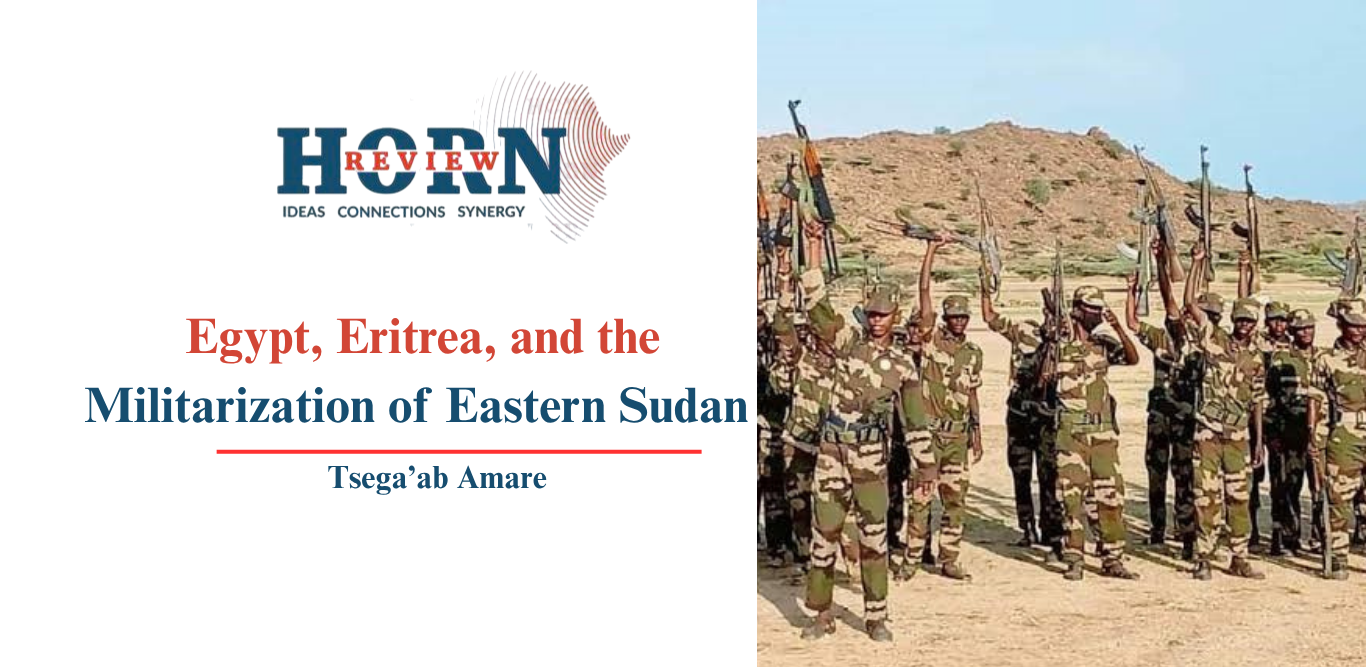
Recent reports indicate that tribal militias aligned with Sudan’s Armed Forces (SAF) have been receiving military training in Eritrea with the knowledge of authorities in Port Sudan. A civil coalition representing eastern Sudan has sounded the alarm, warning that these armed groups are now operating inside the region, amplifying an already fragile security environment.
Key points:
- External training creates a new paramilitary architecture that serves interests beyond Khartoum.
- Egypt and Eritrea are the primary beneficiaries, using Sudan as a strategic hinge to contain Ethiopia.
- The presence of these militias threatens local communities—especially the Beja and Rashaida—who are already coping with displacement, resource competition, and political marginalisation.
H2: Eritrea’s Direct Role in the Proxy Network
H3: Historical Backing of the SAF
Since the outbreak of Sudan’s civil war in April 2023, Isaias Afwerki’s Eritrean regime has been a steadfast supporter of General Abdel Fattah al‑Burhan’s forces. The logic is straightforward:
- A Rapid Support Forces (RSF)‑dominated Sudan would place a UAE‑aligned, hostile neighbour on Eritrea’s western flank, jeopardising the strategic depth gained after the Tigray war.
- A Burhan‑led government remains predictable, dependent on external assistance, and unlikely to challenge Asmara’s regional posture.
H3: Low‑Cost Proxy Investment
Training tribal militias on Eritrean soil is a deniable, low‑cost method for influencing Sudan’s battlefield without committing regular troops. This mirrors Eritrea’s broader pattern of using irregular forces to project power across the Horn of Africa, from Yemen to the Central African Republic.
H2: Egypt’s Parallel but Distinct Strategy
H3: Long‑Standing Support for the SAF
Cairo’s military and financial aid to the SAF is well‑documented (source). Egypt views a Burhan‑aligned Sudan as a buffer against any Ethiopian expansion toward the Red Sea.
H3: Multi‑Front Moves to Encircle Ethiopia
| Frontier | Egyptian Action | Strategic Aim |
|---|---|---|
| Eastern (Somalia) | Defense cooperation protocol with Somalia (Aug 2024) – deployment of troops & equipment | Secure Red Sea routes and gain a foothold in the Horn |
| Northern (Eritrea) | Increased diplomatic & military exchanges on Red Sea security | Coordinate with Eritrea to limit Ethiopian maritime access |
| Western (Sudan) | Deepening ties with the SAF, including arms transfers and joint training | Make Sudan the central hub of the containment architecture |
Collectively, these actions form a regional network that squeezes Ethiopia from three sides, limiting its ability to leverage Sudanese corridors for trade or strategic depth.
H2: The Geostrategic Stakes for Ethiopia
H3: Why Ethiopia Cares About Eastern Sudan
- Border Tensions: Ongoing disputes over Al‑Fashqa and the proximity of militias to Ethiopia’s Amhara and Tigray peripheries.
- Red Sea Access: Ethiopia’s long‑term goal of securing a corridor to Port Sudan is jeopardised if eastern Sudan falls under a hostile, proxy‑laden regime.
- Regional Stability: A militarised eastern Sudan adds a volatile frontier while Addis is still managing post‑conflict rebuilding in Tigray and the Amhara crisis.
H3: Ethiopian Policy Options
- Engage the Sudan peace process to secure guarantees for its western border.
- Strengthen ties with eastern Sudan’s civil societies (Beja, Rashaida) to counterbalance militia influence.
- Seek alternative partnerships (e.g., with the Gulf states or the African Union) to offset Egyptian‑Eritrean pressure.
H2: What This Means for Sudan’s Peace Prospects
Any negotiation that ignores eastern Sudan’s communities risks creating a new source of instability. The Civil Forces Alliance for Eastern Sudan warns that the influx of SAF‑linked militias will deepen local disputes and could trigger a spill‑over into the broader civil war.
Implication: A durable settlement must integrate eastern Sudan into power‑sharing arrangements, address resource competition, and demilitarise the tribal units that have been trained abroad.
H2: Conclusion – Eastern Sudan as the Frontline of a Wider Power Contest
The emerging containment front against Ethiopia is not a spontaneous development; it is the product of convergent strategic interests of Egypt and Eritrea. By embedding foreign‑trained tribal militias in eastern Sudan, these states are:
- Constraining Ethiopia’s geopolitical options in the Horn of Africa and the Nile Basin.
- Transforming a peripheral Sudanese region into a decisive arena for regional power projection.
- Complicating any peace effort that fails to address the proxy dynamics at play.
Understanding this architecture is essential for policymakers, analysts, and anyone following the shifting balance of power in East Africa. The fate of eastern Sudan will increasingly dictate the broader trajectory of Sudan‑Ethiopia relations and the stability of the entire Horn region.
