




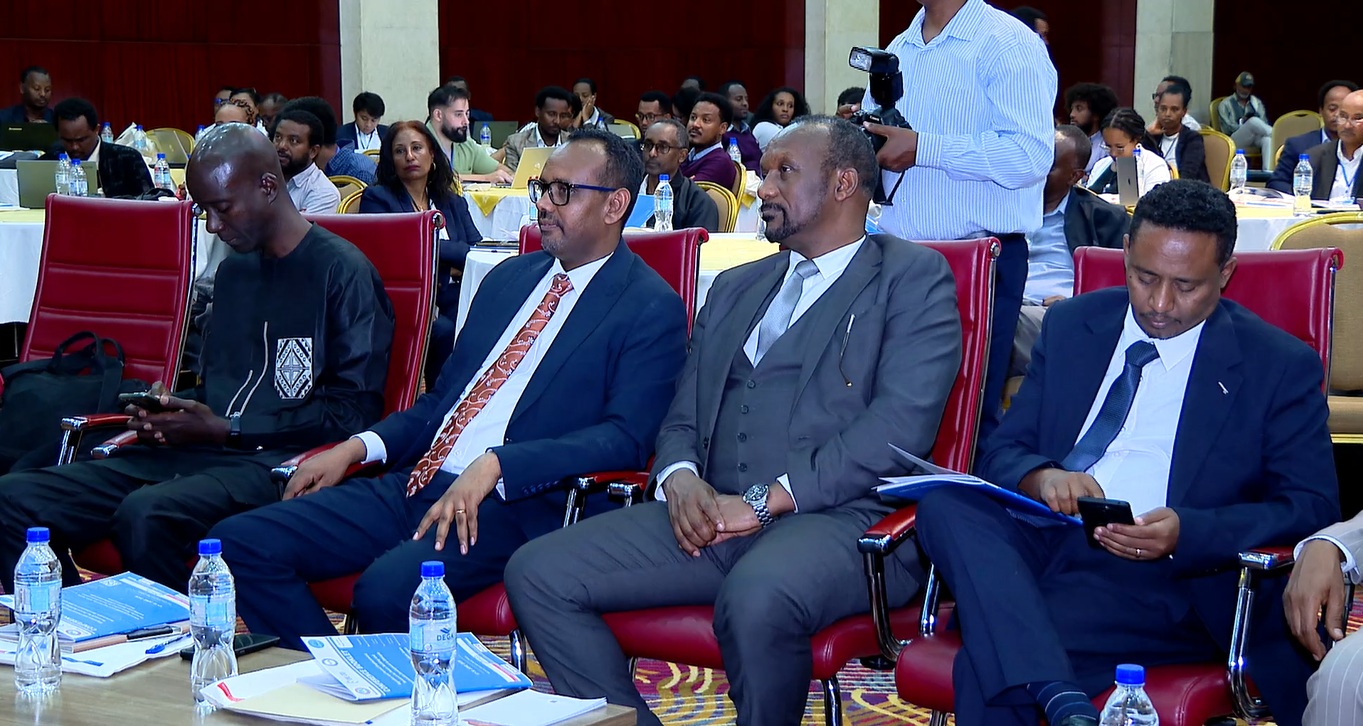
Migration Research in Ethiopia: A Regional Conference for Peacebuilding and Sustainable Development
June 17‑19 2026 – Addis Ababa
Why Migration Research Matters for Ethiopia and the Horn of Africa
Ethiopia hosted a high‑level regional conference titled “Migration and Forced Displacement Research for Peacebuilding and Sustainable Development in Ethiopia.” The three‑day event gathered ministers, university scholars, development partners, and civil‑society leaders from across the Horn of Africa to examine how evidence‑based research can shape migration policy, protect displaced peoples, and drive economic growth.
Key takeaway: Migration research is being positioned as a cornerstone for peacebuilding, sustainable development, and national prosperity in Ethiopia.
H2 – Conference Overview
| Date | Location | Organisers |
|---|---|---|
| June 17‑19 2026 | Addis Ababa, Ethiopia | Addis Ababa University & Ministry of Education (in partnership with regional and international stakeholders) |
The gathering focused on translating scholarly findings into concrete policy actions that address both opportunity and risk associated with migration and forced displacement.
H2 – Voices from the Summit
H3 – Justice State Minister Belayhun Yirga on Migration as Opportunity
“For Ethiopia and the world, migration is an opportunity and a responsibility,” Yirga said.
He highlighted the economic contributions of Ethiopian migrants – remittances, entrepreneurship, skills transfer and transnational networks – that can become “a powerful driver of economic prosperity and social progress” when properly governed.
At the same time, Yirga warned of the dangerous reality of irregular migration, noting that many Ethiopians travel on informal routes where they face exploitation, trafficking, abuse, detention, psychological trauma, and even death.
H3 – State Minister for Higher Education Kora Tushune on the Role of Research
Opening the conference, Tushune stressed that research is the engine of effective policy:
- A well‑designed study strengthens national policy.
- A robust evidence base improves humanitarian response.
- Thoughtful recommendations shape legislation.
“Researchers need policymakers willing to listen and act. Development partners and civil society must join us to translate knowledge into impact.”
H3 – Ibrahima Amadou Dia (African Union Commission) on Forced Displacement
Dia urged participants to view forced displacement through the lens of evolving geopolitical realities and persistent protection challenges. He argued that displaced people are “strategic navigators” who pursue mobility, legality, and livelihoods despite hostile systems.
He also emphasized that governance of displacement is shaped by legal frameworks, political interests, and the interaction of domestic, regional, and international actors.
H3 – Professor Fikadu Gashaw (Acting President, Addis Ababa University) on Evidence‑Based Solutions
Drawing on global displacement data—over 118 million people forcibly displaced worldwide, with more than 25 million in the Middle East and Sub‑Saharan Africa—Gashaw framed the conference as a platform to move “beyond dialogue to evidence‑based recommendations.”
His university pledges to become a regional hub for migration research, providing data‑driven guidance for safe, orderly migration and stronger protection mechanisms.
H2 – Key Themes and Outcomes
| Theme | What Was Discussed | Expected Impact |
|---|---|---|
| Economic Potential of Migration | Remittances, investment, skills transfer | Boost GDP, create jobs, foster entrepreneurship |
| Risks of Irregular Migration | Trafficking, exploitation, loss of life | Strengthen legal pathways, improve border management |
| Research‑Driven Policy | Evidence base for peacebuilding, humanitarian response | More effective, targeted interventions |
| Governance of Forced Displacement | Legal frameworks, political interests, multilevel coordination | Better protection, rights‑based solutions |
| Regional Cooperation | Collaboration among Horn of Africa states, AU, UN agencies | Harmonised policies, shared data, joint programs |
The conference concluded with a joint declaration urging governments, academia, and development partners to:
- Scale up migration research and disseminate findings widely.
- Create safe, legal migration routes to reduce reliance on informal channels.
- Integrate research insights into national legislation and UN Human Rights Council deliberations (the 62nd session runs June 15–July 7, 2026, in Geneva).
H2 – How This Links to the UN Human Rights Council
Ethiopia is actively participating in the 62nd UN Human Rights Council session in Geneva, using the conference’s evidence‑based recommendations to shape its contributions. The Council’s agenda includes migration, forced displacement, and the protection of migrants’ rights, making the Addis Ababa outcomes especially relevant.
“Ethiopia continues to actively participate in the Council’s deliberations while pursuing reforms aimed at building a peaceful, democratic, and prosperous future for all its citizens.”
H2 – Looking Ahead: The Road to Sustainable Migration Policies
The conference marked a milestone for migration research in Ethiopia, but implementation will determine success. Critical next steps include:
- Establishing a permanent migration research centre at Addis Ababa University.
- Funding longitudinal studies on the socio‑economic impact of diaspora contributions.
- Developing a regional data‑sharing platform for the Horn of Africa.
- Advocating for policy reforms that protect migrants and streamline legal migration channels.
Quick Links for Further Reading
- UN Human Rights Council – 62nd Session (June 15–July 7, 2026)
- African Union – Migration and Development Policy Framework
- World Bank – Remittances, Migration, and Development
- International Organization for Migration – Safe Migration Pathways
Focus Keyword: migration research Ethiopia
By aligning scholarly evidence with policy action, Ethiopia is setting a regional example of how migration research can become a catalyst for peace, development, and human dignity.
