




Ethiopia’s Seventh General Election 2026: A Benchmark for African Democracies
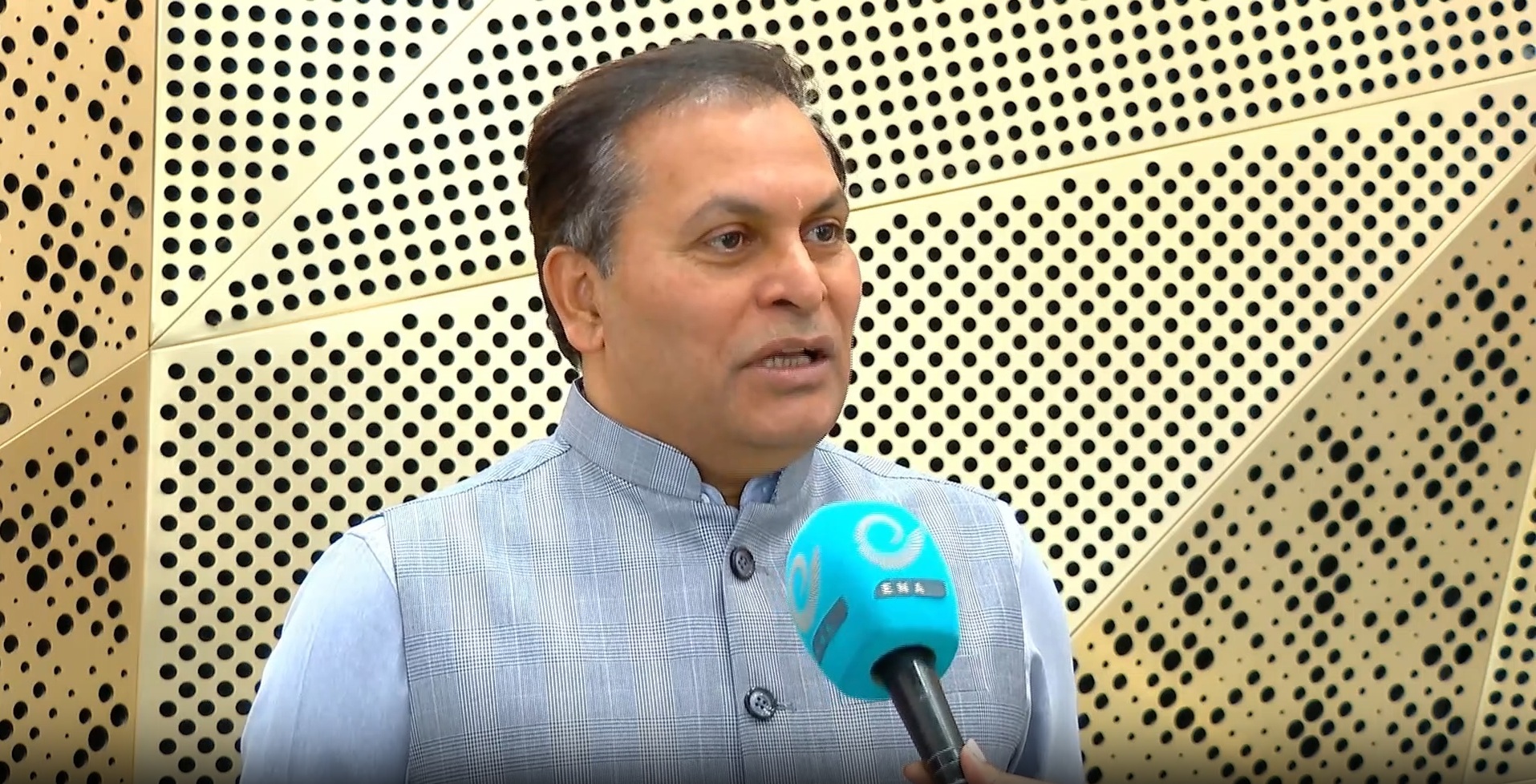
Addis Ababa, 15 June 2026 – Indian Ambassador to Ethiopia, Anil Kumar Rai, praised the June 1, 2026 polls as a “model election” for the continent, highlighting record voter turnout, innovative technology and a peaceful democratic atmosphere.
Why the 2026 Ethiopian Election Matters
The Seventh General Election in Ethiopia has drawn attention from regional bodies, civil‑society groups and international observers. Its success demonstrates measurable progress in democratic participation, electoral management, and the use of digital tools to enhance transparency.
“The voter turnout has increased significantly compared to the previous election, largely due to the registration of a substantial number of new voters,” Ambassador Rai told ENA.
H2: Record‑Breaking Voter Participation
| Indicator | 2021 Election | 2026 Election | % Change |
|---|---|---|---|
| Total votes cast | – | 46 % higher than 2021 | +46 % |
| New voters registered | – | Massive influx of first‑time registrants | — |
| Female voters | ~30 % | ≈ 40 % of all registered voters | +10 % points |
The surge in turnout reflects expanding civic engagement driven by targeted outreach campaigns initiated under Prime Minister Abiy Ahmed’s reform agenda.
Source: Ethiopian National Election Board (ENEB) – official results.
H2: Technology as a Catalyst for Transparent Elections
H3: Digital Voter Registration
- Biometric ID integration linked directly to the national database.
- Mobile registration kiosks deployed in rural districts, widening access.
H3: Real‑Time Monitoring
- An online portal allowed citizens to track ballot counts hour by hour.
- Election management software generated auto‑audit trails for every precinct.
Observer missions from the African Union (AU), Inter‑governmental Authority on Development (IGAD) and the Ethiopian Civil Society Organizations Election Observation Coalition all highlighted the effective use of technology as a major strength of the process.
“They have mentioned the way technology has been used for voter enrollment and various other electoral processes as commendable,” Rai noted.
Read more about election technology trends in Africa: International IDEA – Digital Voting.
H2: Peaceful and Credible Electoral Environment
The 2026 polls proceeded without major incidents, earning positive assessments from all observer missions. Reports emphasized:
- Orderly conduct at polling stations across all nine regional states.
- Respect for political pluralism, with opposition parties granted equal media access.
- Transparent counting procedures verified by domestic and international monitors.
These findings underline the credibility of Ethiopia’s democratic institutions and provide a blueprint for neighboring countries seeking to strengthen their own electoral frameworks.
Full observer reports can be accessed via the AU Election Observation Portal: AU Observer Mission 2026.
H2: African Leadership and Regional Ownership
Ambassador Rai stressed that African solutions are essential for addressing the continent’s political challenges. He affirmed that the AU and IGAD’s deployment of observer teams was “in line with their mandates” and highlighted the importance of African‑led assessment of electoral processes.
“African issues should be dealt with by African leadership, and by mandate the African Union and IGAD have sent their observers,” he said.
This perspective reinforces the principle that regional institutions—rather than external actors—should guide democratic development across Africa.
H2: Implications for the Future
- Higher citizen involvement sets a precedent for future election cycles in Ethiopia and elsewhere.
- Technology‑driven administration could become the norm for African elections, reducing fraud and increasing public trust.
- Regional observer missions may adopt Ethiopia’s best practices, fostering a continent‑wide standard for peaceful, transparent polls.
H3: Key Takeaways
- 46 % increase in votes cast compared with the previous cycle.
- Nearly 40 % of registered voters were women, marking a significant gender‑balance improvement.
- Digital registration and live‑tracking tools boosted efficiency and credibility.
- AU, IGAD and civil‑society observers unanimously praised the election as a role model for Africa.
H2: Conclusion
Ethiopia’s Seventh General Election in 2026 stands out as a model of democratic maturity in Africa. Through robust voter participation, innovative technological solutions, and the support of African regional bodies, the election showcased what a peaceful, credible, and inclusive electoral process can achieve. As other African nations look to strengthen their own democratic institutions, Ethiopia’s experience offers a compelling roadmap for success.
For further analysis of African electoral trends, visit the African Governance Institute: AGI – Electoral Best Practices.
Keywords: Ethiopia Seventh General Election 2026, African Union election observer, digital voter registration, voter turnout Ethiopia, peaceful elections Africa.
