




Ethiopia’s Seventh General Election 2026: A Peaceful Milestone for Democratic Maturity
Addis Ababa, 13 June 2026 – The peaceful conduct of Ethiopia’s Seventh General Election underscores a growing political maturity among Ethiopians and highlights the nation’s commitment to strengthening democratic governance.
Overview of the 2026 General Election
The Seventh Ethiopian General Election was held on 1 June 2026. More than 54 million citizens were registered to vote, marking one of the largest electoral rolls in the country’s history. A total of 42 political parties entered the race, fielding 10,438 party‑affiliated candidates and 80 independent candidates.
“The election’s smooth and peaceful execution demonstrates Ethiopians’ readiness to embrace democratic principles and shape a more inclusive political future.” – President Taye Atske Selassie
Key Highlights from President Taye Atske Selassie’s Remarks
Political Maturity and Citizen Participation
- Responsible voter engagement reflected a strong commitment to democratic values.
- President Taye praised the millions of citizens who registered and cast ballots, emphasizing their dedication to peace and nation‑building.
Acknowledgement of Past Challenges
- Historically, Ethiopia has grappled with force‑driven politics that eclipsed dialogue and consultation.
- The President noted that overcoming these shortcomings is crucial for translating political and developmental aspirations into reality.
Call for Unity and Good Governance
- All political parties are urged to respect the electoral outcome with patience and responsibility.
- Elected officials are reminded to serve the public with humility, accountability, and strict adherence to the rule of law.
International Observers Praise the Election
Observation missions from the African Union (AU) and the Intergovernmental Authority on Development (IGAD) described the vote as a significant milestone in Ethiopia’s democratic evolution. Their statements highlighted:
- Improved electoral institutions and mechanisms.
- Enhanced transparency and credibility of the voting process.
- A positive step toward consolidating democracy and expanding political participation.
The Ceremony of Recognition
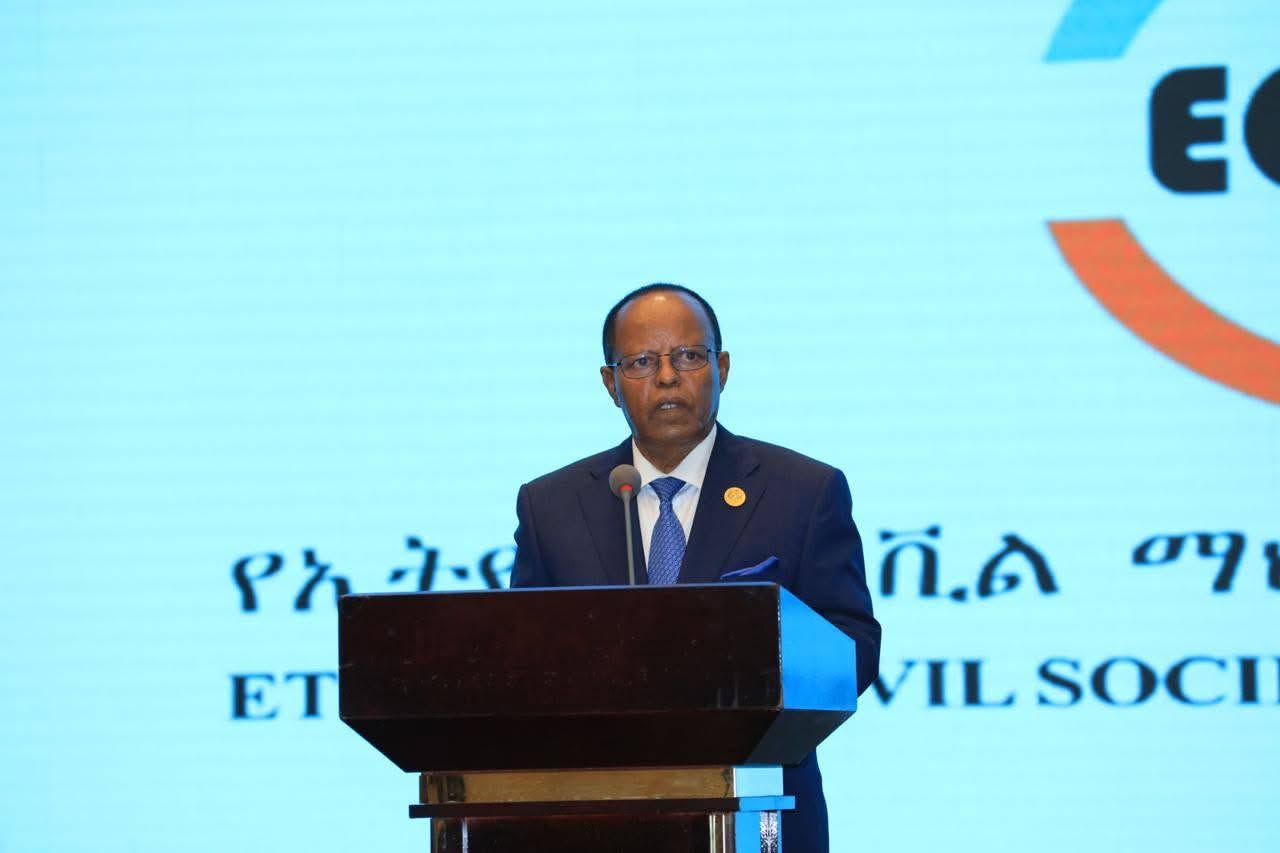
A national recognition and appreciation ceremony organized by the Ethiopian Civil Society Organizations Council celebrated the successful completion of the election. Attendees included:
- Deputy Prime Minister Temesgen Tiruneh
- Senior government officials
- Development partners and media representatives
- Stakeholders from civil society and the electoral commission
President Taye used the platform to congratulate individuals and institutions whose contributions made the peaceful election possible, stressing that the achievement belongs to the Ethiopian people.
Why This Election Matters for Ethiopia’s Future
- Strengthening Democratic Culture – Conducting a peaceful election while learning from past mistakes helps build a modern democratic system.
- Rule of Law and Consensus‑Building – Meaningful progress relies on dialogue, respect for differing views, and unwavering adherence to legal frameworks.
- Public Confidence – Successful voter participation boosts trust in democratic institutions, laying a solid foundation for future generations.
Statistical Snapshot
| Metric | Figure |
|---|---|
| Registered Voters | > 54 million |
| Political Parties | 42 |
| Party Candidates | 10,438 |
| Independent Candidates | 80 |
| Election Date | 1 June 2026 |
Looking Ahead
The Seventh General Election sets a new benchmark for Ethiopia’s democratic journey. As President Taye Atske Selassie emphasized, continued patience, responsibility, and commitment to the rule of law will be essential for sustaining this progress and ensuring that Ethiopia’s political landscape remains peaceful, inclusive, and forward‑looking.
For more information on Ethiopia’s electoral reforms and upcoming political events, visit the Ethiopian National Electoral Board of Ethiopia (NEBE).
