




Ethiopia’s Economic Surge: How Coordinated Fiscal and Monetary Reforms Are Driving Rapid Growth and Lower Inflation
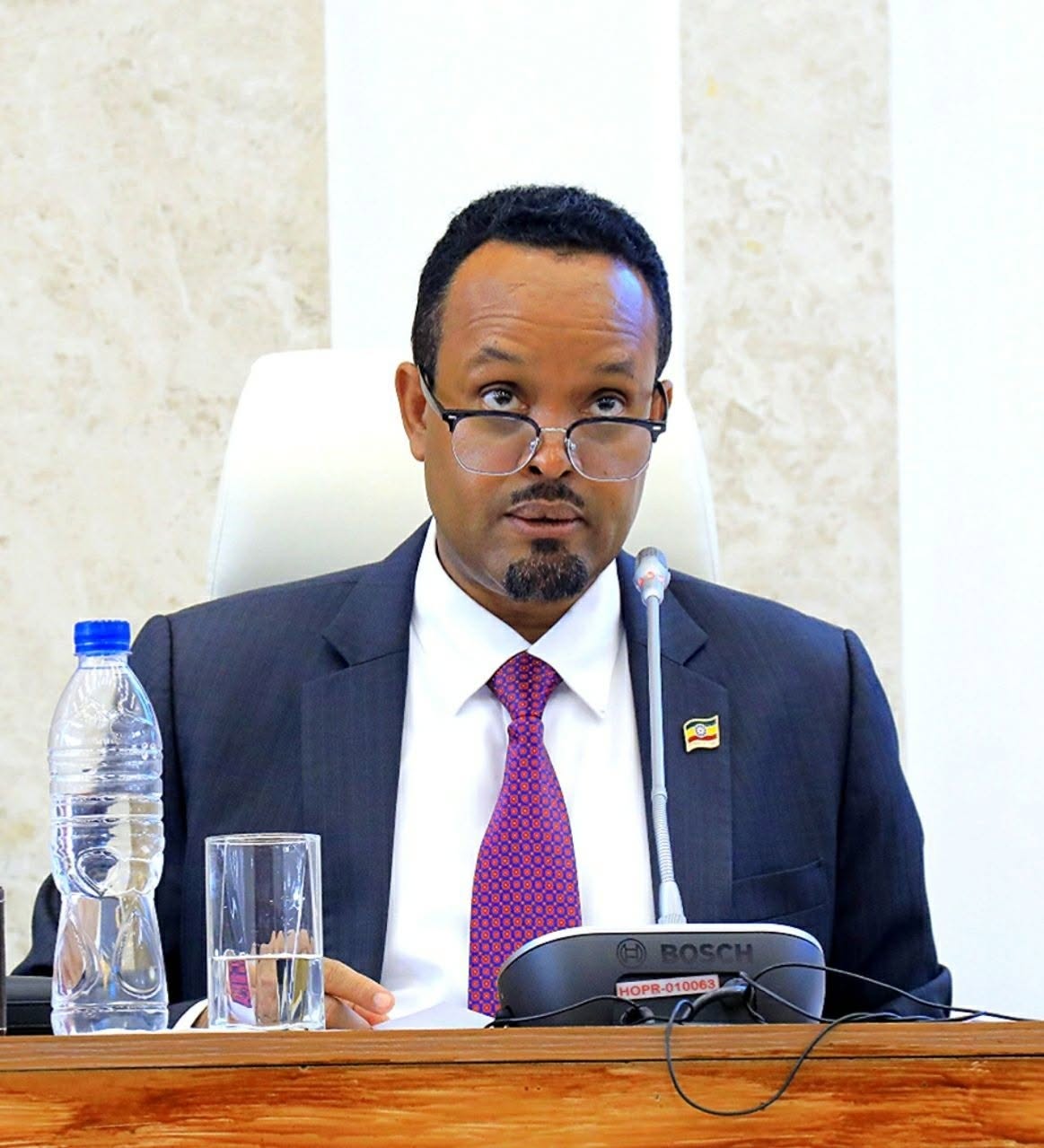
Addis Ababa, 11 June 2026 – Ethiopia’s bold macro‑economic overhaul is delivering results that place the country among the world’s fastest‑growing economies while dramatically taming inflation, Finance Minister Ahmed Shide told members of Parliament on Thursday.
📈 Focus Keyword: Ethiopia economic growth 2026
H2 – A New Growth Narrative for Ethiopia
During the 25th regular session of the House of People’s Representatives, the minister presented the draft federal budget and highlighted how the Homegrown Economic Reform Agenda has synchronized fiscal and monetary policies. This alignment, he explained, is “strengthening macro‑economic stability, accelerating growth and enhancing resilience to both domestic and external shocks.”
Key performance highlights:
| Fiscal Year | Real GDP Growth |
|---|---|
| 2018/19 – 2023/24 (average) | 6.8 % |
| 2024/25 (actual) | 9.2 % |
| 2025/26 (forecast) | 10.2 % |
Source: Ethiopian Ministry of Finance & Economic Development
These numbers show Ethiopia out‑pacing many emerging markets that are still wrestling with high inflation and debt pressures.
H3 – Why Inflation Is Falling Fast
- Tight Money‑Supply Controls – The central bank has curtailed the growth of monetary aggregates, a cornerstone of the reform strategy.
- End of Direct Central‑Bank Financing – Ethiopia stopped funding federal budget deficits through direct advances, restoring fiscal discipline and strengthening credibility.
- Result: Inflation dropped from a 34.5 % peak in August 2021 to 9.4 % in March 2025 – one of the steepest declines in recent Ethiopian history.
For more on the impact of monetary tightening, see the IMF’s overview of inflation management in Sub‑Saharan Africa.
H3 – Supply‑Side Boosts: Agriculture, Livestock & Urban Farming
The minister credited several sector‑specific interventions for easing cost‑of‑living pressures:
- Higher agricultural output – improved seed distribution and irrigation projects.
- Strengthened livestock supply chains – better veterinary services and market access.
- Urban farming initiatives – city‑level horticulture that augments food availability.
These measures, together with foreign‑exchange reforms and market‑stabilisation policies, have kept both food and non‑food prices moderate, as confirmed by the latest Ethiopian Statistics Service data.
Read a detailed analysis of Ethiopia’s agricultural reforms on the World Bank portal.
H2 – The Ten‑Year Development Plan: A Blueprint for Sustainable Growth
The finance minister reiterated that Ethiopia’s transformation is guided by its Ten‑Year Development Plan (2021‑2030), which aims to build a more productive, resilient and competitive economy. The plan prioritises:
- Infrastructure expansion – road, rail and energy projects that lower logistics costs.
- Industrial development – special economic zones and incentives for manufacturing.
- Social services – health, education and social protection to ensure inclusive growth.
By embedding these priorities into the upcoming federal budget, the government intends to keep the momentum alive while preserving macro‑economic stability.
The full Ten‑Year Development Plan is available on the Ethiopian Government’s official portal.
H3 – International Perspective: Ethiopia as an African Growth Engine
Economists note that Ethiopia’s performance stands out at a time when many emerging economies are still facing stagnating growth, high debt loads and persistent inflation. The combination of robust GDP expansion and steep inflation decline has boosted investor confidence and positioned Ethiopia as a leading growth engine on the continent.
- Foreign Direct Investment (FDI) inflows have risen 15 % year‑on‑year (2024‑25).
- Credit ratings from agencies such as Moody’s have improved, reflecting lower macro‑risk.
Explore a recent IMF country report on Ethiopia’s macro‑economic outlook.
H2 – What the New Budget Will Target
The draft budget aims to fund:
- Infrastructure projects – rail links to Djibouti, highway upgrades, renewable‑energy plants.
- Agricultural modernization – irrigation, mechanisation and value‑chain development.
- Industrial parks – incentives for textile, agro‑processing and tech‑centric firms.
- Social safety nets – expanded health coverage, education scholarships and cash‑transfer programs.
All while maintaining a tight fiscal stance to avoid overheating the economy.
H3 – Outlook: Sustained Growth and Investment Appeal
Policymakers are confident that the reforms will continue to attract foreign investment, stimulate domestic entrepreneurship and generate quality jobs for Ethiopia’s youthful population.
“Ethiopia’s growth story is increasingly distinguished by its ability to sustain strong economic expansion while simultaneously reducing inflationary pressures,” Minister Shide told Parliament.
If the current trajectory holds, Ethiopia could become one of Africa’s most dynamic economies, delivering inclusive prosperity for its citizens and a compelling case for investors worldwide.
🔗 Quick Links for Readers
- Ethiopia’s Homegrown Economic Reform Agenda – Official Overview
- IMF Country Report – Ethiopia – IMF.org
- World Bank – Agriculture in Ethiopia – WorldBank.org
- Moody’s Credit Rating for Ethiopia – Moody’s Investors Service
- Ten‑Year Development Plan (PDF) – Ethiopian Government
The data and statements above are drawn from official government releases and reputable international institutions, providing a clear picture of Ethiopia’s current economic momentum and its forward‑looking strategy.
