




Strengthening Ties: 50 Years of EU-Ethiopia Partnership
Addis Ababa, March 15, 2026 – As Ethiopia and the European Union (EU) celebrate their 50-year partnership, the significance of this long-standing collaboration in promoting democratic values and good governance is more pertinent than ever.
A History of Cooperation
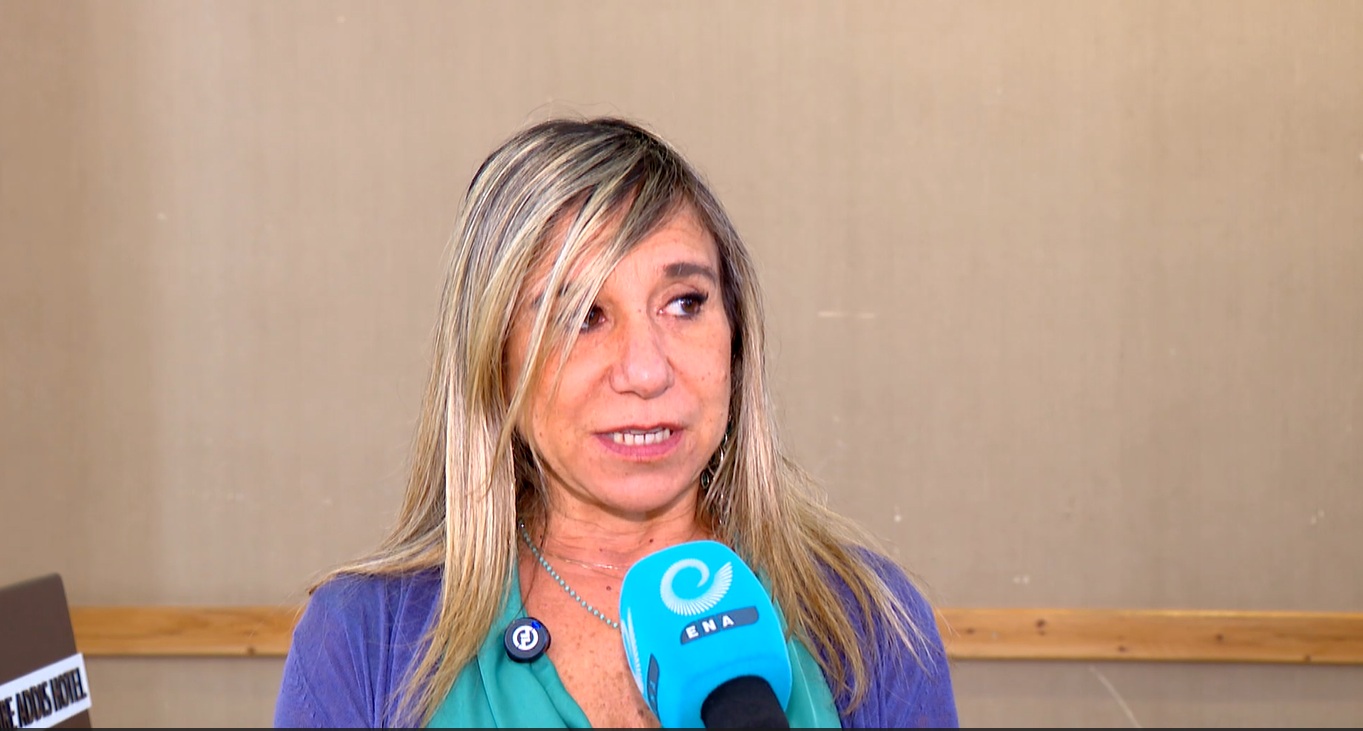
The European Delegation to Ethiopia has reaffirmed its commitment to strengthening ties with the nation, illustrating decades of mutual support. Anna Lixi, the Head of the Governance and Peace Team, emphasized the breadth of this partnership, extending across various sectors including governmental agencies and civil society organizations (CSOs).
“Our partnership with Ethiopia is built on decades of shared commitment,” Lixi stated, highlighting EU’s dedication to supporting democratic initiatives in the country.
Supporting Democratic Reforms
The European Union’s collaboration in Ethiopia involves working with local authorities and institutions to bolster democratic practices. Key partnerships include:
- The Ethiopian Human Rights Commission
- The Ministry of Justice
- The Federal Supreme Court
These collaborations support comprehensive reforms in the criminal justice system and focus on enhancing electoral processes as the nation gears up for its 7th general election in 2026.
Pursuing Political and Institutional Reforms
Ethiopia is currently navigating broad political reforms aimed at reinforcing democratic governance and promoting inclusive public participation. These initiatives encompass revising legal frameworks, empowering civil society organizations, and improving state institutions. This strategy is designed to foster long-term social cohesion following recent political challenges.
“We work closely with government authorities to improve the systems that uphold fundamental rights,” Lixi noted, underscoring the EU’s active role in supporting Ethiopia’s democratic transition.
Initiatives for National Dialogue
A critical component of the EU’s support is its backing of the National Dialogue Commission, which aims to ensure transparency and inclusivity in governance. The EU finances projects focused on promoting national dialogue and good governance.
“Our goal is to accompany, contribute to, and support the Ethiopian government’s efforts toward democratic strengthening,” Lixi added, further emphasizing the EU’s commitment to sustainable development in Ethiopia.
Investing in Electoral Integrity
With the eyes of the nation on the upcoming elections, EU interventions between 2023 and 2026 have intensified, particularly in the realm of criminal justice reform. Technical and resource support to the National Election Board of Ethiopia (NEBE) ensures that the electoral process adheres to international standards.
Simultaneously, funding for the National Dialogue Commission is vital for establishing national stability and fostering reconciliation.
Conclusion: A Strategic Relationship
The enduring partnership between the European Union and Ethiopia is not merely a diplomatic agreement but a comprehensive strategic relationship. This collaboration underscores Europe’s unwavering commitment to promoting good governance, democratic reforms, and inclusive civic participation in Ethiopia. As both partners look to the future, their relationship stands as a testament to the power of cooperation in achieving shared goals.
For more information on the EU’s initiatives in Ethiopia, you can visit the official European Union website and Ethiopian government resources.
This celebration of partnership reflects an optimistic view towards strengthened governance and democracy in Ethiopia, with the collaborative efforts of the EU serving as an essential pillar in this transformative journey.
