




Ethiopia Recognized for Sustainable Environmental Practices by Global Environment Facility
Overview of Ethiopia’s Environmental Initiatives
On March 8, 2026, the Global Environment Facility (GEF) praised Ethiopia for its exemplary efforts in community-driven environmental protection and livelihood development. These initiatives have not only contributed positively to local communities but have also been highlighted as key models for Eastern Africa.
Insights from GEF Leadership
In a recent discussion with ENA, Jonky Tenou, Senior Environmental Specialist and GEF Coordinator for Africa, emphasized the significance of Ethiopia’s community-based environmental programs. He noted that these initiatives serve as practical blueprints for other nations in the region, showcasing effective approaches to sustainability.
Funding and Future Prospects
Tenou explained that Ethiopia’s successful environmental initiatives will have an important role in the upcoming GEF-9 funding cycle, with new allocations anticipated to be confirmed this July. This funding is particularly vital as it aims to enhance efforts in climate finance and sustainable development across Eastern Africa.
Strengthening Regional Cooperation
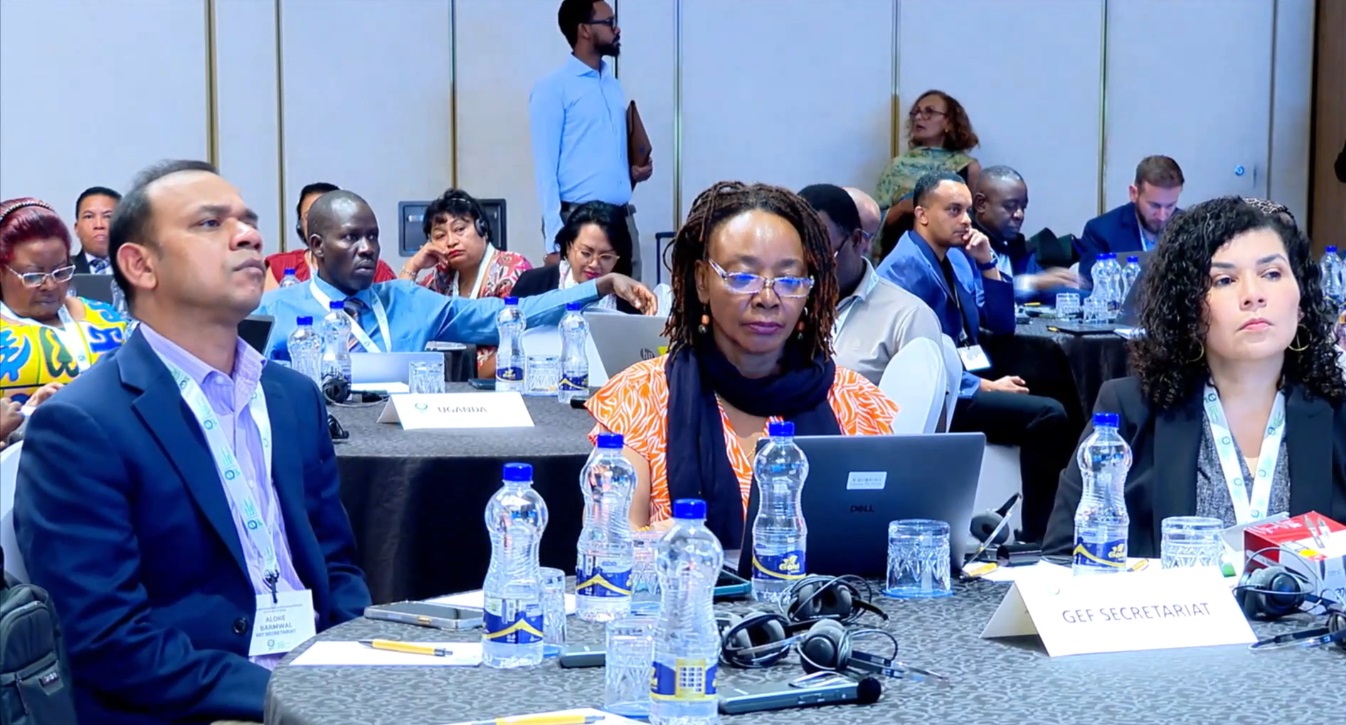
The recent GEF Expanded Constituency Regional Workshop saw participation from representatives of 14 Eastern African countries. This platform focused on fostering enhanced collaboration in climate finance, environmental strategies, and sustainable development concepts.
Field Visits to Successful Projects
Participants also engaged in field visits to various GEF-supported project locations. These visits showcased how committed environmental stewardship not only bolsters local livelihoods but also enhances climate resilience.
Innovative Community Initiatives
During the field trip, delegates explored various community-led initiatives, such as modernizing honey production, which Tenou described as a significant transformation of income sources in rural areas.
Additionally, innovative projects like injera processing and community bakeries, which utilize locally sourced crops, aim to improve food security and promote economic self-sufficiency.
Community Engagement and Results
Tenou expressed admiration for the deep level of community engagement observed in these initiatives. He remarked on the remarkable transformation these projects have facilitated in local livelihoods, underscoring the tangible benefits they offer.
Long-Term Support from GEF
For over three decades, the GEF has invested approximately $148 million in grant financing to support 32 projects in Ethiopia, attracting an impressive $970 million in co-financing from various development partners.
Currently, 22 active projects are underway in the country, with a GEF investment totaling $136 million and an additional $923 million in co-financing.
Addressing Climate Change Challenges
Tenou pointed out that the ongoing impacts of climate change remain a significant challenge for African nations. To tackle these issues, both mitigation and adaptation strategies are essential.
Financing Mechanisms
Tenou highlighted that the GEF provides significant support through funding aimed at reducing carbon emissions, alongside financial assistance designed to help developing countries adapt to climate impacts. However, he also stressed that international funding alone cannot meet the growing financial needs for climate initiatives in Africa, prompting a need for broader participation.
The Role of Private Sector Engagement
To address financing gaps, Tenou advocates for increased engagement from the private sector and the implementation of blended financing solutions that can further support climate strategies.
Ethiopia’s Commitment to Global Climate Goals
Mansur Desse, the GEF Operational Focal Point at the Ministry of Planning and Development, echoed the sentiments expressed by Tenou. He affirmed that Ethiopia’s commitment to global climate agreements is yielding positive results within the nation’s development frameworks.
Sharing Best Practices
During the workshop, Ethiopia was able to present its GEF-supported projects as excellent case studies for other countries in the region, showcasing their potential impact on development goals.
Upcoming GEF Program
The new GEF initiative, slated to commence in July, will align with Ethiopia’s national development priorities, ensuring that future projects build on the foundation laid by past successes.
Conclusion
Through strong community engagement and innovative environmental practices, Ethiopia stands as a beacon of sustainable development in Eastern Africa. The collaborative efforts between GEF, local governments, and communities pave the way for more effective responses to climate challenges, ultimately benefiting local populations and the environment.
For further reading about Ethiopia’s efforts and the GEF’s initiatives, visit Global Environment Facility and Ethiopian Ministry of Planning and Development.
