




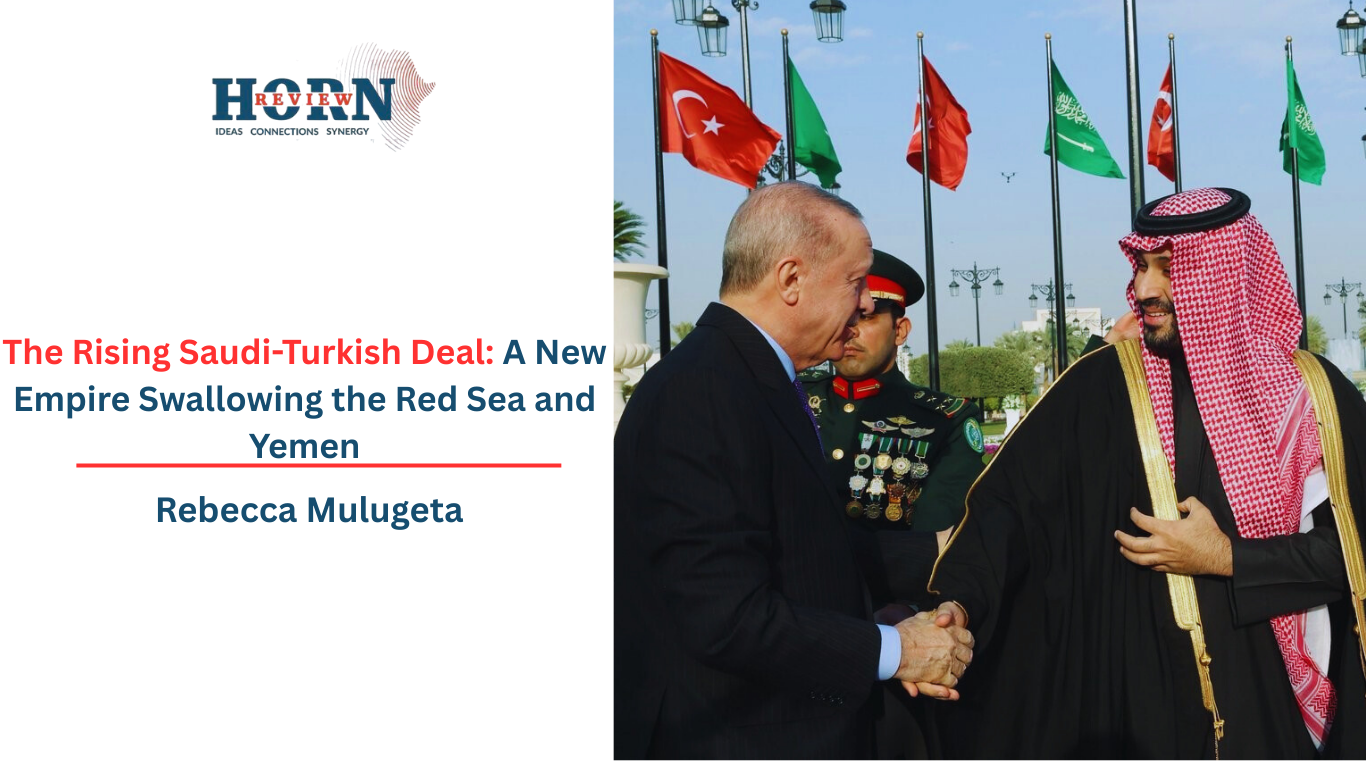
The Formation of a New Middle Eastern Power Axis: Saudi Arabia, Turkey, and Egypt Unite
Introduction
In February 2026, a significant shift in Middle Eastern geopolitics emerged as Saudi Arabia, Turkey, and Egypt formed an unprecedented alliance. This coalition signals a new era of collaboration, with implications that stretch far beyond their immediate borders. The power dynamics among these nations are evolving rapidly, challenging existing relationships and redefining the geopolitical landscape of the region.
The Genesis of Collaboration
Historically, tensions between these three heavyweight nations have defined their interactions. Saudi Arabia and Turkey have clashed over various issues, from supporting opposing sides in the Libyan civil war to differing perspectives on Syria. Meanwhile, Egypt has often aligned with Saudi Arabia against Turkish influence in the region. However, growing regional threats and mutual interests have catalyzed a unexpected partnership.
Common Goals and Strategic Alliances
As Yemen’s instability posed a threat to Saudi shipping routes, Turkish investments in Somalia grew, positioning it as a crucial forward base. Confronted by rising Houthi attacks and concerns over chaotic Red Sea governance, these nations initiated a pact that distributes roles among them. Saudi Arabia aims for naval supremacy, Turkey seeks expansion in the Horn of Africa, and Egypt wants a secure maritime environment in the Red Sea.
Yemen: The Heart of Saudi Arabia’s Goals
The Saudi-led initiative is heavily focused on preserving Yemen’s integrity to support friendly leaders against Houthi insurgents. With Saudi jets patrolling vital shipping routes, maintaining control over the Bab al-Mandeb Strait is paramount. This strategy not only secures economic interests but also establishes a dominant maritime order devoid of competition from countries like the UAE or Israel.
An Arab Highway: Securing the Red Sea
Together, Turkey and Egypt enhance Saudi efforts, providing aerial and logistical support. The collaboration signals a shift towards creating an Arab-controlled maritime domain, with Saudi Arabia at the forefront of securing the Red Sea’s trade routes.
Somalia: Turkey’s Neo-Colonization
Turkey’s engagement in Somalia represents a more complex form of alliance—one resembling neo-colonization. Infrastructure investment, military training, and economic support serve multiple purposes, from training Somali forces to expanding economic ties. The goal? Transform Somalia into a strategic hub for military logistics and regional influence.
Diplomatic Maneuvering in the Horn of Africa
Turkey’s comprehensive strategy includes the establishment of naval bases and drone manufacturing plants in Somalia, which serve both Turkish and regional interests. This move effectively sidelines external influences, especially from Israel, reinforcing Turkey’s status as a regional power and solidifying its claims in the Horn of Africa.
Egypt’s Role: The Guardian of the Arab Vision
Egypt’s crucial position within this alliance stems from its control of the Suez Canal and aspirations for an Arab-dominated maritime environment. Eager to diminish UAE influence and regulate Red Sea dynamics, Cairo views its partnership with Riyadh and Ankara as essential for regional stability.
A Unified Arab Front
Egypt contributes key logistical capabilities and diplomatic acumen, reinforcing its position as a leader in Arab affairs. With the backing of Saudi wealth and Turkish technology, Egypt aims to establish an Arab-centric approach to security and trade, facilitating smoother operations through the critical Suez-Red Sea corridor.
A Strategic Axis with Global Implications
This new alliance extends far beyond local agendas; it aims to redefine Egyptian, Turkish, and Saudi influence globally. The Red Sea is becoming a vital strategic area as the coalition fortifies their respective positions.
Evolving Power Centers: Displacement of Old Rivals
By consolidating their power, the trio is increasingly sidelining traditional players in the region like the UAE and Israel, creating a more cohesive political climate. The shared ambitions have already begun to reshape diplomatic relations, as the trio works in concert to exert influence over trade routes, military cooperation, and economic partnerships.
Conclusion: A Dynasty on the Rise
As Saudi Arabia leads in controlling the Red Sea, Turkey expands its reach in Somalia, and Egypt promotes Arab unity, a new power dynasty is emerging. The alliance reflects a strategic shift—one that abandons past grievances in favor of collective growth and influence. While differences may still exist within the bloc, their shared interests create a resilient front that could significantly alter the geopolitical landscape for years to come.
For further insights on this evolving geopolitical equation, explore Saudi-Turkey relations and the impact of the Red Sea dynamics.
