




Ethiopia’s Exceptional Leadership in Refugee Management Amid Global Challenges
Introduction
In a world increasingly burdened by humanitarian crises, Ethiopia stands as a beacon of hope. The United Nations High Commissioner for Refugees (UNHCR) has commended the country’s robust efforts in managing one of Africa’s largest refugee and internal displacement situations, a testament to its unwavering commitment amidst dwindling global support.
Ethiopia’s Refugee Landscape
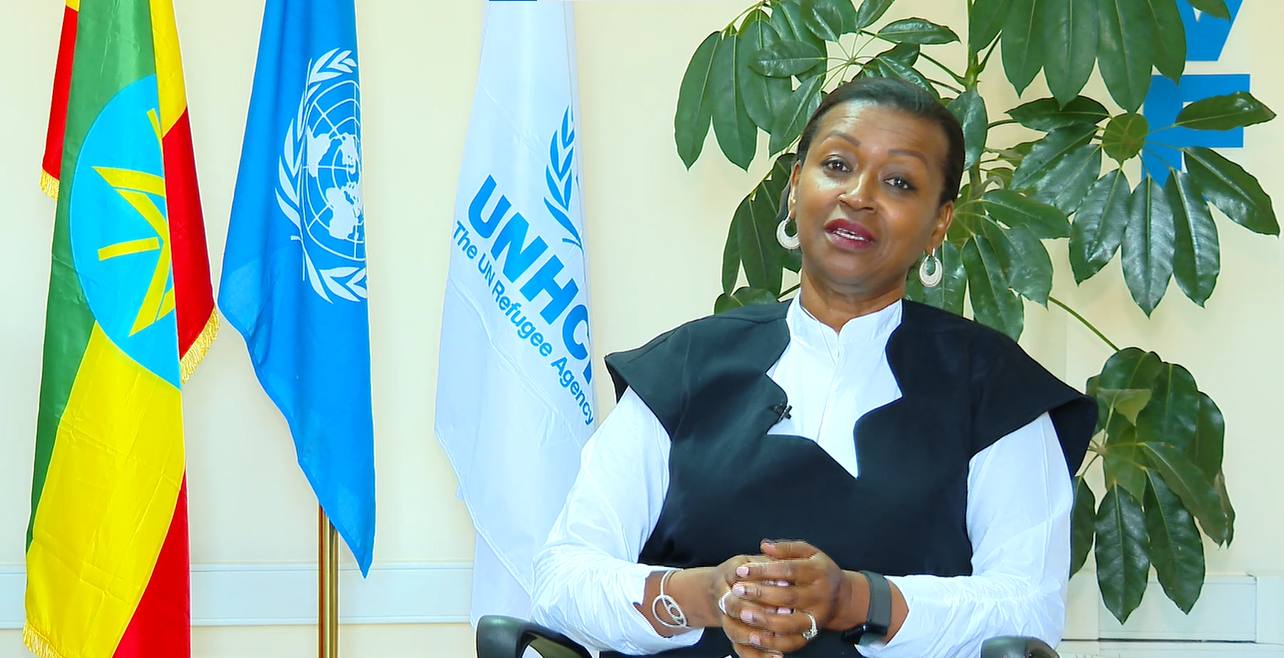
As highlighted in an exclusive interview with the UNHCR representative Aissatou M. Ndiaye, Ethiopia is currently home to over one million refugees and asylum seekers. These individuals primarily come from conflict-stricken nations such as Sudan, South Sudan, Somalia, and Eritrea, reflecting the region’s tumultuous socio-political environment.
Support for Internally Displaced Persons
Ethiopia also plays a crucial role in assisting internally displaced persons (IDPs) affected by localized conflicts and the repercussions of climate change. This dual focus—caring for both refugees and IDPs—demonstrates the nation’s commitment to humanitarian values.
Institutional Framework and Collaboration
Ndiaye emphasized Ethiopia’s strong institutional framework, particularly the Refugees and Returnees Service, which serves as a cornerstone in the national response to displacement. This central agency is instrumental in coordinating protection and providing holistic humanitarian assistance.
Continuous Open Borders Policy
Ethiopia has maintained an inclusive asylum policy, keeping its borders open to those in need. This approach sets a precedent within the region, encouraging other nations to adopt similar measures for vulnerable populations.
Vulnerable Populations and International Support
A significant segment of the displaced population comprises women and children, raising urgent calls for increased international assistance to address their basic needs. According to Ndiaye, safeguarding social stability is critical as Ethiopia continues to face the challenges brought on by global humanitarian resource constraints.
Strategic Partnerships for Sustainable Solutions
UNHCR’s collaboration with the Ethiopian government and local communities forms a strategic partnership based on trust and shared responsibilities. “Our collaboration is focused on a common vision aimed at achieving sustainable solutions,” Ndiaye asserted, showcasing the importance of coordinated efforts in tackling these pressing issues.
Comprehensive Response Strategies
Ethiopia’s refugee response strategy focuses on several key areas:
- Protection and Shelter: The country ensures that refugees have access to safe and dignified living conditions.
- Emergency Assistance: Essential resources, such as food and medical aid, are provided promptly to those in crisis.
- Sustainable Solutions: Efforts to promote self-reliance among displaced populations are prioritized.
- Community Resilience: Programs aimed at strengthening local communities help integrate refugees and IDPs, fostering social cohesion.
Conclusion
In an era marked by rising global conflicts and a scarcity of humanitarian resources, Ethiopia’s leadership in managing its refugee situation is both commendable and essential. Strengthening national capacity and promoting long-term integration are vital, ensuring that both displaced populations and host communities benefit equally from these efforts. An integrated approach, as underlined by UNHCR, is essential to ensure that no one is left behind in the pursuit of peace and stability.
