




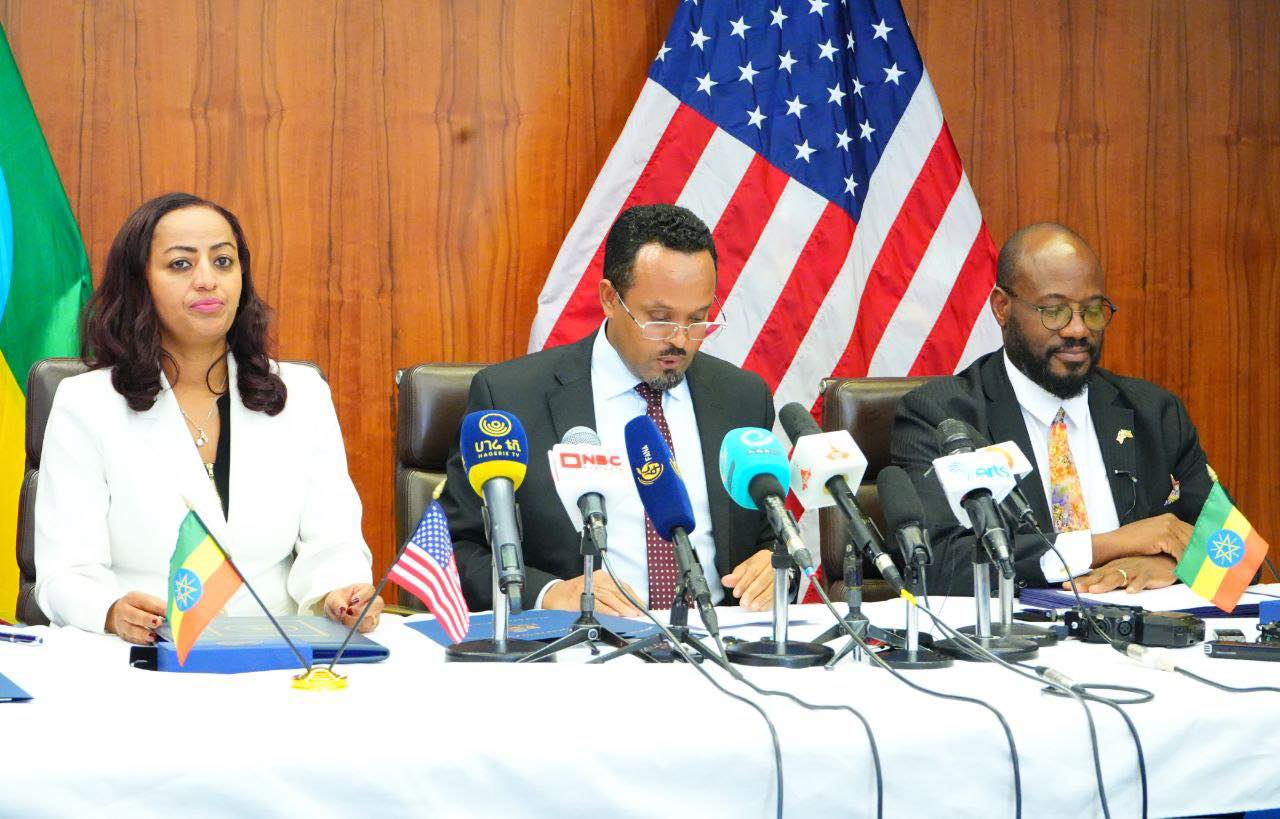
Ethiopia and the U.S. Forge Health Cooperation Agreement Worth $1.6 Billion
Addis Ababa, December 23, 2025—In a significant advancement for public health, Ethiopia and the United States have signed a comprehensive Health Cooperation Memorandum of Understanding (MoU). This landmark agreement, valued at $1.6 billion over five years, aims to bolster Ethiopia’s healthcare system and address critical health challenges.
Key Figures Behind the Agreement
The MoU was signed by Ethiopia’s Finance Minister, Ahmed Shide, Health Minister Dr. Mekdes Daba, and the U.S. Ambassador to Ethiopia, Ervin Massinga. This collaboration reflects the commitment from both governments to enhance health security and improve public health outcomes.
Financial Commitments for Sustainable Healthcare
Under the terms of the agreement, the U.S. Government will provide $1.016 billion in grant financing. An additional $150 million will be available based on performance metrics, all aimed at supporting Ethiopia’s established health priorities. In response, the Ethiopian Government will allocate an extra $450 million in co-financing, underscoring its commitment to effective policy implementation and accountability.
Political Significance and Shared Vision
Finance Minister Ahmed Shide emphasized that this MoU symbolizes robust trust and confidence between Ethiopia and the United States. “This agreement reflects our shared commitment to tackle cross-border public health issues and acknowledges health security as a cornerstone of national and global stability,” he stated.
Dr. Mekdes Daba added that this partnership is poised to strengthen disease prevention, enhance public health surveillance, and improve laboratory systems and workforce development.
Targeted Health Initiatives
The MoU will support vital areas of health such as:
- HIV and AIDS
- Tuberculosis
- Malaria
- Maternal and Child Health
- Polio Eradication
- Infectious Disease Preparedness
These funded initiatives aim to reinforce Ethiopia’s healthcare framework while ensuring that resources are utilized transparently and effectively.
A Collaborative Approach
Ambassador Ervin Massinga remarked on the importance of this partnership, describing it as a strong example of sustainable development and mutual accountability. “This collaboration encapsulates the roles of government, the private sector, and faith-based organizations in delivering essential health services to the Ethiopian population,” he explained.
Strengthening Health Systems
The U.S. commitment will focus not only on immediate health improvements but will also streamline health information systems and digitalize healthcare databases. “Together, we have achieved milestones in reducing maternal and child mortality and combating infectious diseases. This MoU sets a pathway for deepening our cooperative efforts in the coming years,” stated Massinga.
Conclusion: A Healthier Future for Ethiopia
With this pivotal MoU, Ethiopia is poised to build a more resilient healthcare system, addressing pressing public health issues effectively over the next five years. By harnessing combined resources and expertise, Ethiopia and the United States are laying the groundwork for significant health progress, ultimately safeguarding the health of millions of Ethiopians.
For more information on international health partnerships and strategies, visit World Health Organization and Centers for Disease Control and Prevention.
