




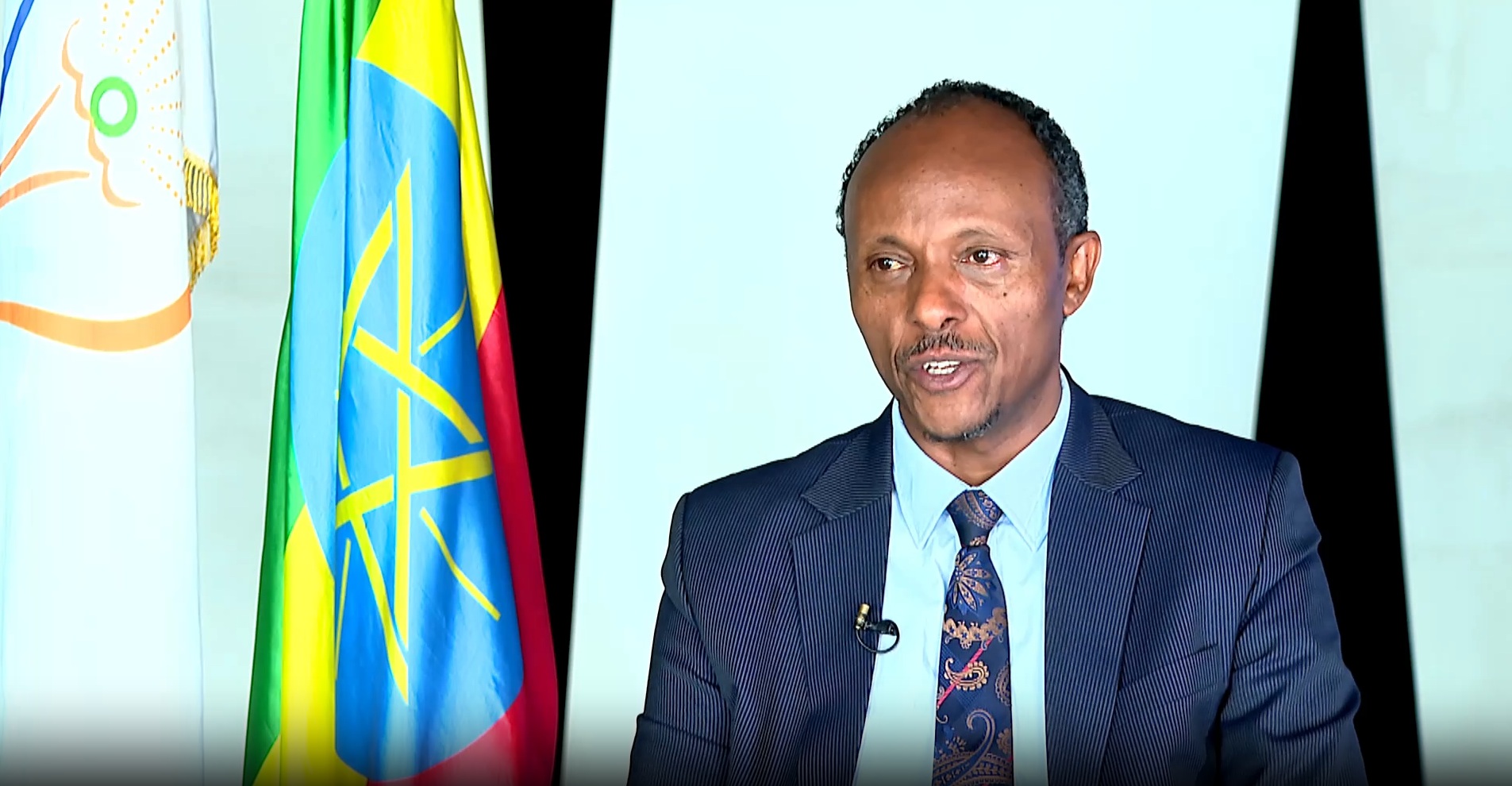
Ethiopia’s Shift to Long-Term Climate Resilience Strategy
Focus Keyword: Climate Resilience in Ethiopia
Ethiopia is taking significant strides in its approach to climate challenges, transitioning from short-term emergency responses to a sustainable, long-term climate resilience strategy centered on improved water infrastructure. This innovative shift is primarily driven by the Ministry of Water and Energy, which aims to ensure a stable supply of water resources vital for both communities and agricultural needs.
A Decade of Drought and Response Evolution
For over thirty years, multiple regions in Ethiopia have experienced recurring droughts, which have historically necessitated population relocations and emergency assistance measures to safeguard lives. However, Minister of Water and Energy, Habtamu Itefa, highlighted in a recent interview that the government is changing its focus from reactive measures to proactive solutions.
Building Local Resilience
The new strategy emphasizes resilience at the community level, ensuring that people do not have to abandon their lands during droughts. According to Minister Itefa, the government is prioritizing a diverse range of localized water solutions, such as:
- Groundwater Development
- Rainwater Harvesting
- Flash Flood Capture
- Construction of Small-Scale Dams
These initiatives are already demonstrating positive changes in drought-prone areas, enabling communities to cultivate crops that were previously considered unviable.
Transforming Livelihoods through Water Security
In areas like Borana, local farmers have successfully started growing crops such as wheat, resulting in food security and economic resilience. Such success stories exemplify how targeted water management can change the agricultural landscape, fostering self-sufficiency.
Moreover, the federal government has allocated treasury funds for climate-resilient water, sanitation, and hygiene projects in regions like Somali, Afar, and Tigray, significantly improving water access for both individuals and livestock.
Advancements in Solar-Powered Water Supply
Afar’s innovative solar-powered water supply systems have been particularly transformative, overcoming previous challenges posed by the lack of electricity and thus enhancing economic activities in livestock farming. This holistic approach ensures that sustainable water supplies are accessible for both domestic use and agricultural endeavors.
A Call for Regional Collaboration
Minister Itefa emphasizes that climate impacts transcend national borders and urges African Union member nations to adopt similar resilience-based approaches. A collaborative effort can fortify regional stability and improve adaptive measures across neighboring countries.
As he affirmed, “We are really seeing a wonderful fruit, a wonderful achievement from this kind of policy.” This sentiment resonates with the potential for shared learning among African nations, highlighting Ethiopia’s journey as a model for others.
A Model for Africa’s Future: Agenda 2063
Ethiopia’s experience offers a roadmap for achieving climate resilience through water security, renewable energy, and localized investment. These steps align closely with the broader goals delineated in Agenda 2063, which envisions the prosperity of African nations.
Furthermore, Ethiopia has actively participated in reforestation efforts, planting over 40 billion seedlings in the past six years under the Green Legacy Initiative. Launched by Prime Minister Abiy Ahmed in 2019, this initiative aims to combat deforestation, expand forest coverage, and strengthen the nation’s climate resilience.
Conclusion
Ethiopia’s strategic transition to a long-term climate resilience framework reflects a forward-thinking approach to environmental challenges. By enhancing local water management systems and promoting sustainable agriculture, the nation not only improves the livelihoods of its communities but also sets an exemplary standard for climate resilience across Africa. For more resources on climate resilience and agricultural development, explore the UN Environment Programme and World Bank Water Resources initiatives.
