




Meta Title: ICRC Reaffirms Partnership with Ethiopia, Praises Ethiopian Red Cross Society’s Humanitarian Impact
Meta Description: ICRC Regional Director for Africa Mamadou Sow commends ERCS volunteer network and discusses International Humanitarian Law with President Taye Atske Selassie during high-level Addis Ababa talks.
Focus Keyphrase: ICRC Ethiopia partnership
Slug: icrc-ethiopia-partnership-ethiopian-red-cross-humanitarian-law
Addis Ababa, October 26, 2026 (ENA) — The International Committee of the Red Cross (ICRC) has doubled down on its long-standing collaboration with Ethiopia, lauding the Ethiopian Red Cross Society (ERCS) as a “privileged partner” critical to delivering life-saving aid across the nation.
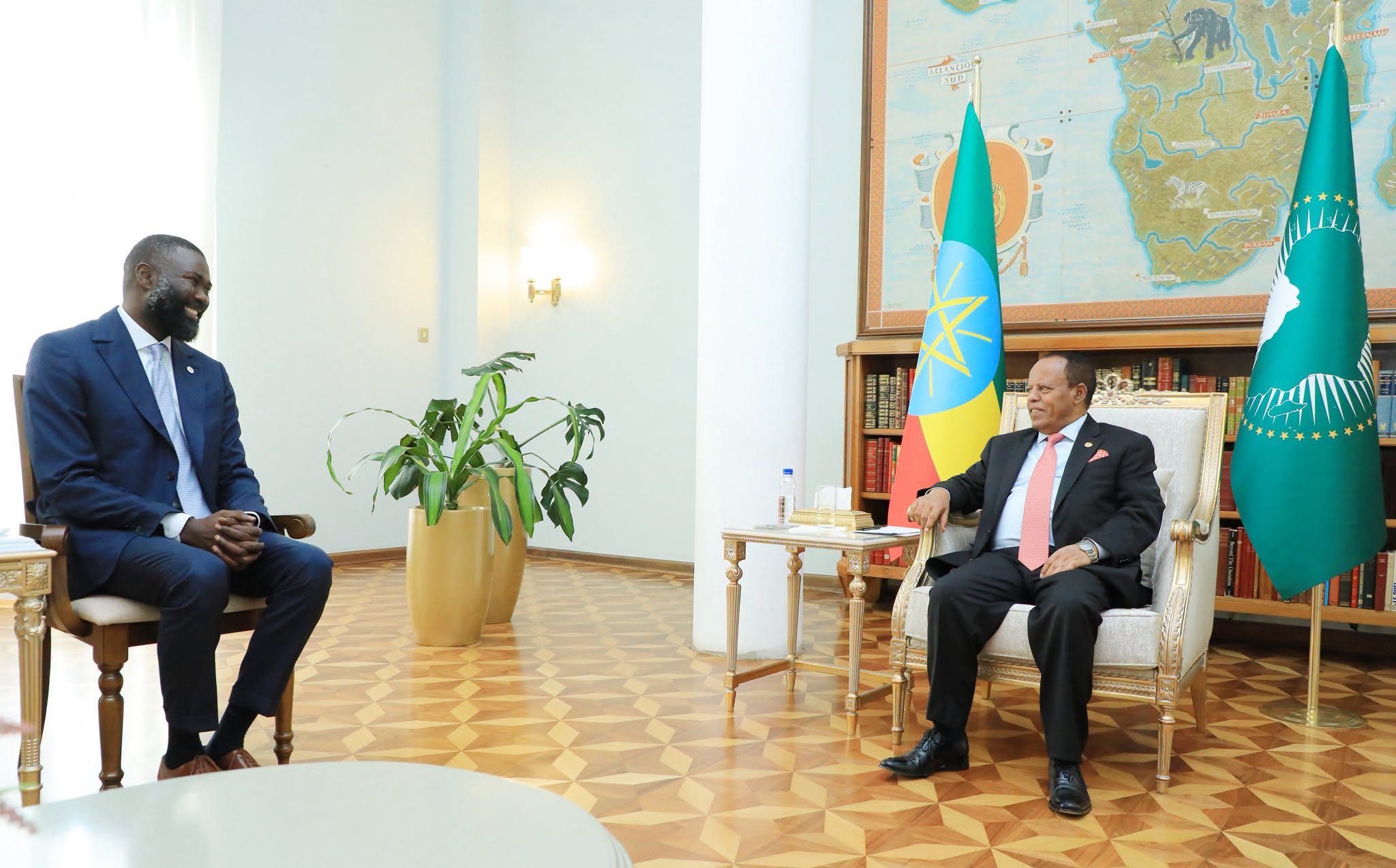
During high-level talks in the capital on Monday, ICRC Regional Director for Africa Mamadou Sow met with President Taye Atske Selassie to discuss the evolving humanitarian landscape, the imperative of International Humanitarian Law (IHL), and the operational access required to assist vulnerable communities.
Strengthening the ICRC-Ethiopia Strategic Alliance
The meeting underscored a mutual commitment to deepening the ICRC Ethiopia partnership amid complex regional challenges. Director Sow explicitly praised the access and acceptance granted to the ICRC by Ethiopian authorities, noting that this cooperation is the bedrock enabling the organization to conduct independent, neutral, and impartial humanitarian operations.
“The Ethiopian Red Cross is a marvelous organization,” Sow stated during the discussions. “It’s our privileged partner in this country, with whom we work across Ethiopia on water, health, and food security.”
This endorsement highlights the ICRC’s localization strategy, which prioritizes working through National Societies to ensure aid reaches the “last mile” effectively.
President Taye and the Pillars of Humanitarian Law
A significant portion of the dialogue between President Taye and Director Sow centered on the validity and importance of International Humanitarian Law (IHL). Both leaders emphasized that robust legal frameworks and strong political leadership are non-negotiable prerequisites for protecting civilians and ensuring humanitarian corridors remain open during armed conflict and other situations of violence.
President Taye’s recent efforts to foster inter-ministerial cooperation—specifically bridging the Ministries of Health, Justice, and Defense—received specific commendation from the ICRC leadership. Sow noted that this whole-of-government approach is vital for the domestic implementation of IHL treaties and the protection of humanitarian workers.
ERCS Volunteers: The “Beating Heart” of the Movement
Beyond institutional agreements, the ICRC Regional Director placed the spotlight on the human engine driving the response: the ERCS volunteer network.
Describing volunteers as the “backbone of the organization and the wider International Red Cross and Red Crescent Movement,” Sow expressed immense pride in the grassroots capacity of the Ethiopian society.
“We are very proud of that partnership because it relies on so many volunteers who are the beating heart of our global movement,” Sow added. “We take great pride in their work, as well as the strong support Ethiopia provides to its Red Cross society.”
This recognition aligns with the International Federation of Red Cross and Red Crescent Societies (IFRC) strategy on volunteer development, recognizing that local volunteers are often the first responders in crises where international access is delayed or denied.
Operational Focus: Water, Health, and Food Security
The partnership is not merely ceremonial; it is operationalized through joint programs targeting Ethiopia’s most pressing needs. According to the ICRC, current collaborative programming focuses on three critical pillars:
- Water and Habitat: Rehabilitating water supply systems in conflict-affected and drought-prone regions to prevent waterborne diseases.
- Health: Supporting primary health care centers, physical rehabilitation programs, and mental health psychosocial support (MHPSS).
- Food Security / Economic Security: Distributing seeds, tools, and cash assistance to restore livelihoods for displaced populations and returnees.
These interventions are coordinated closely with the Ethiopian Ministry of Health and regional bureaus to avoid duplication and ensure sustainability.
Looking Ahead: Sustaining Humanitarian Space
As Ethiopia navigates post-conflict recovery and climate-induced shocks, the meeting signals a reinforcement of the humanitarian-development-peace nexus. The ICRC’s reiteration of support, contingent on continued humanitarian access and respect for IHL, sets a tone for continued engagement in 2027 and beyond.
The presence of high-level government leadership at the meeting—specifically the President’s direct engagement—suggests a political will to maintain the humanitarian space necessary for organizations like the ICRC and ERCS to function without bureaucratic impediment.
Key Takeaways
- Strategic Partnership Confirmed: ICRC reaffirms ERCS as its primary implementing partner in Ethiopia.
- IHL Central to Dialogue: President Taye and ICRC leadership agree on the necessity of International Humanitarian Law compliance.
- Volunteerism Celebrated: ERCS’s vast volunteer network recognized as the core operational asset.
- Multi-Sectoral Programs: Joint focus remains on Water, Health, and Food Security.
- Government Coordination: Praise for cross-ministerial collaboration (Health, Justice, Defense) on humanitarian files.
Related Reading:
