Hats for Hamlin Initiative Ships 12,250 Knitted Hats to Protect Newborns in Ethiopian Highlands
A massive community-driven effort in Christchurch has packed thousands of handmade garments destined for rural midwifery clinics, where they serve as a vital tool against neonatal hypothermia and a catalyst for safer births.
<section>
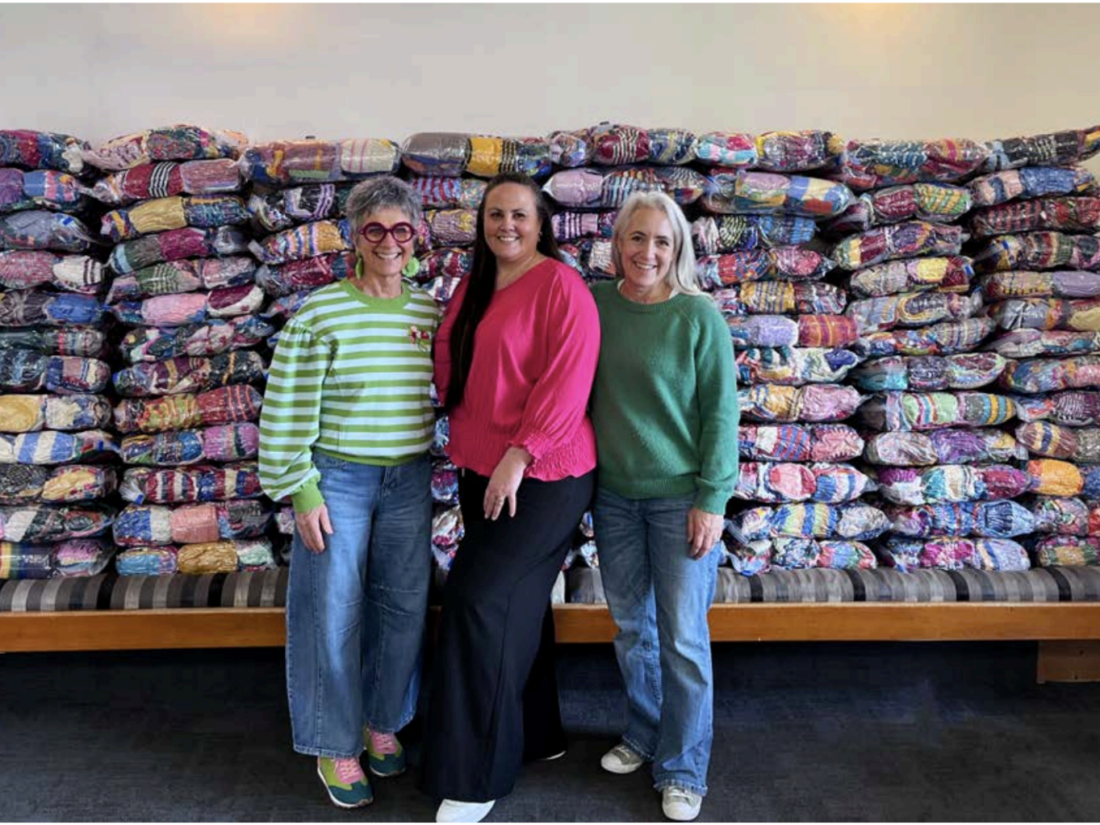
    <p>More than 12,000 hand-knitted and crocheted baby hats have been sorted, vacuum-packed, and dispatched from Christchurch, beginning a journey to the mountainous regions of Ethiopia. The shipment represents the latest output of the <strong>Hats for Hamlin initiative</strong>, a project coordinated by <a href="https://www.hamlinfistula.org.nz/" target="_blank" rel="noopener noreferrer">Hamlin Fistula New Zealand</a> to support maternal and neonatal health in one of the world’s most challenging environments.</p>

    <p>The hats were crafted by hundreds of volunteers across New Zealand. Over a recent weekend, dozens of local volunteers in Christchurch processed the colourful collection, preparing the lightweight parcels for international freight. Their destination: the network of over 90 rural midwifery clinics supported by <a href="https://hamlin.org.au/" target="_blank" rel="noopener noreferrer">Hamlin Fistula Ethiopia</a>, where more than 40,000 babies were safely delivered last year alone.</p>
</section>

<section>
    <h2>More Than Warmth: Hats as a Clinical Intervention</h2>
    <p>While the hats are undeniably charming, their function is strictly clinical. In the high-altitude settings where Hamlin midwives operate, maintaining a newborn’s body temperature is a matter of survival.</p>

    <h3>Combating Hypothermia at 3,000 Metres</h3>
    <p>Hamlin Fistula New Zealand Chair Joli Wescombe, who has accompanied midwives in the field, highlights a critical environmental factor often overlooked: extreme cold.</p>
    <blockquote>
        <p>“Many of Hamlin’s midwifery clinics are located at elevations of 2,800 to over 3,000 metres, similar to <a href="https://www.doc.govt.nz/nature/habitats/alpine/" target="_blank" rel="noopener noreferrer">Mount Ruapehu</a> here in New Zealand,” Wescombe explained. “The labour rooms can be shiveringly cold. I remember one baby being born, steam rising from his tiny body into the freezing night air.”</p>
    </blockquote>
    <p>At these altitudes, many clinics lack electricity, heating, or even basic blankets. According to the <a href="https://www.who.int/teams/maternal-newborn-child-adolescent-health-and-ageing/newborn-health/thermal-care" target="_blank" rel="noopener noreferrer">World Health Organization (WHO)</a>, newborns are exceptionally vulnerable to heat loss due to their large surface area relative to body weight and limited metabolic reserves. Immediate drying and covering—specifically covering the head, where heat loss is most rapid—is a cornerstone of <a href="https://www.who.int/publications/i/item/9789240068307" target="_blank" rel="noopener noreferrer">Essential Newborn Care</a> guidelines.</p>
    <p>A woollen hat helps stabilize body temperature, oxygen saturation, and breathing rates during the critical first hours of life. In cases of difficult or prolonged labour, this simple garment can quite literally be the difference between life and death.</p>

    <h3>Incentivizing Skilled Birth Attendance</h3>
    <p>Beyond thermal protection, the hats function as a powerful public health incentive. Hamlin Fistula New Zealand Fundraising Manager Jayne Rattray notes that the promise of a free, high-quality hat encourages women in remote communities to deliver at clinics staffed by trained Hamlin midwives rather than at home without skilled assistance.</p>
    <blockquote>
        <p>“For many of the families Hamlin cares for, they are something parents simply couldn’t afford themselves,” Rattray said. “They help keep newborn babies warm during those critical first hours of life, plus the promise of a free hat also encourages more women to give birth with a trained Hamlin midwife.”</p>
    </blockquote>
    <p>This strategy addresses a core determinant of maternal mortality: the "three delays" model. By removing a financial barrier (cost of baby clothes) and providing a tangible benefit, the initiative helps overcome the delay in deciding to seek care and the delay in reaching a facility.</p>
</section>

<section>
    <h2>A Legacy Founded by a New Zealander</h2>
    <p>The organization behind this pipeline of aid has deep roots in New Zealand. Hamlin Fistula Ethiopia was founded over 67 years ago by New Zealand-born doctor <strong>Reg Hamlin</strong> and his wife, Australian doctor <strong>Catherine Hamlin</strong>. Since its inception, the organization has treated more than <strong>82,000 women</strong> for obstetric fistula—a devastating childbirth injury caused by prolonged, obstructed labour without access to timely emergency obstetric care, such as a Caesarean section.</p>

    <p>The injury creates an abnormal opening (fistula) between the birth canal and the bladder or rectum, resulting in chronic incontinence. The <a href="https://www.who.int/news-room/fact-sheets/detail/obstetric-fistula" target="_blank" rel="noopener noreferrer">WHO estimates</a> that between 50,000 to 100,000 women worldwide are affected by obstetric fistula annually, with more than 90% of cases resulting in stillbirth.</p>

    <p>Hamlin Fistula Ethiopia operates six specialist hospitals dedicated to surgical repair and rehabilitation. However, the strategic focus has shifted heavily toward prevention. By deploying trained midwives to rural clinics—graduates of the Hamlin College of Midwives—the organization works to ensure that obstructed labour is identified early and managed or referred before a fistula can form.</p>
</section>

<section>
    <h2>The Supply Chain of Compassion</h2>
    <p>The logistics of moving 12,250 hats from living rooms across New Zealand to the Ethiopian highlands underscore the scale of the volunteer effort. The recent packing weekend in Christchurch transformed raw donations into a compressed, freight-ready asset.</p>
    <ul>
        <li><strong>Source:</strong> Hundreds of knitters and crocheters nationwide.</li>
        <li><strong>Processing:</strong> Sorting, quality checking, vacuum packing, and boxing by Christchurch volunteers.</li>
        <li><strong>Distribution:</strong> Allocation to 90+ Hamlin-supported rural midwifery clinics.</li>
        <li><strong>End User:</strong> Mothers delivering with Hamlin-trained midwives.</li>
    </ul>
    <p>Every hat represents hours of skilled labour and material cost absorbed by the New Zealand crafting community. Organizers emphasize that this pipeline carries forward the Hamlins' original vision: dignity and safety for every mother and child.</p>
</section>

<footer>
    <p><em>For those wishing to contribute to future shipments, a free knitting pattern and shipping details are available via the Hamlin Fistula New Zealand website.</em></p>
</footer>