




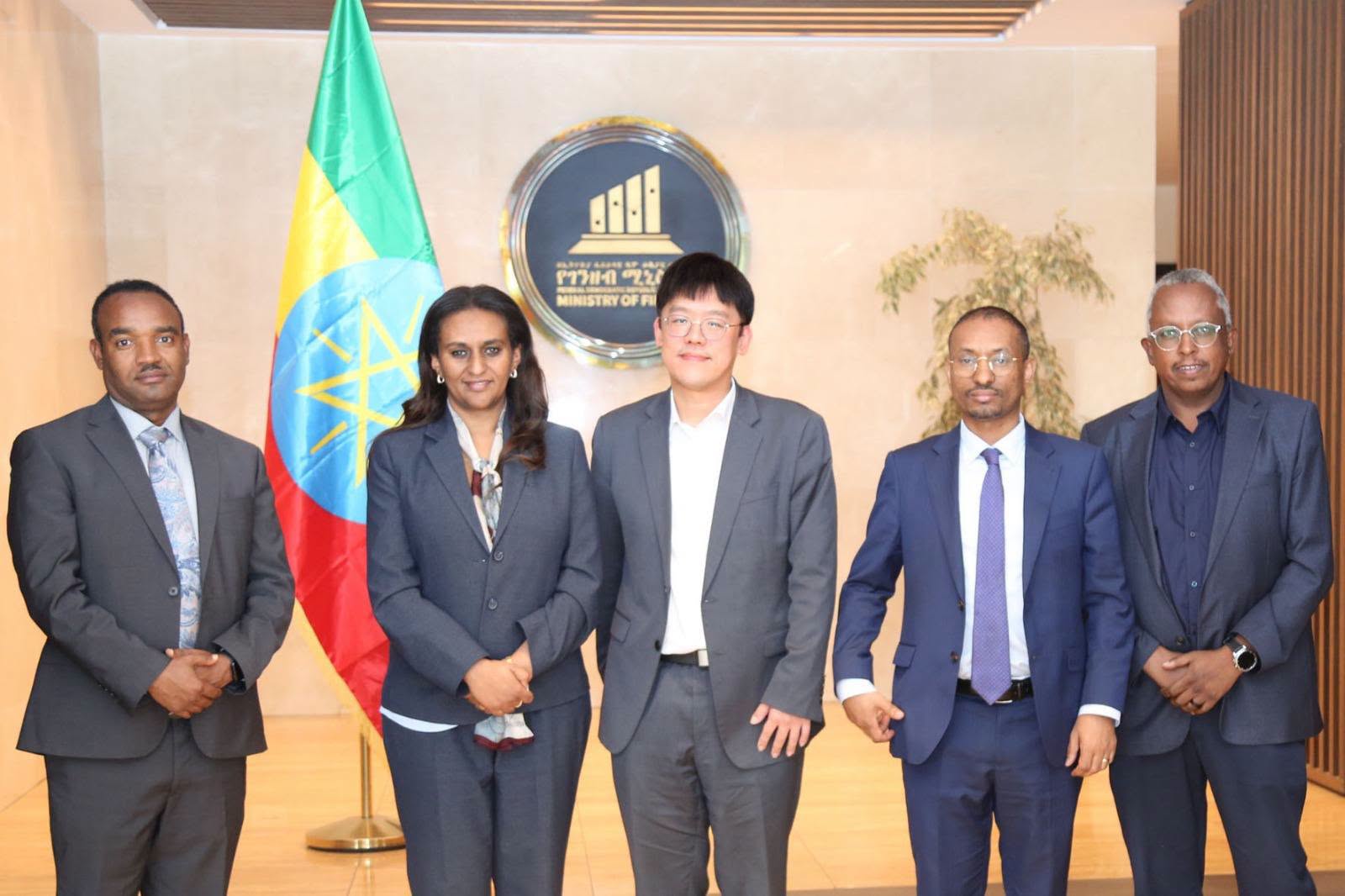
Ethiopia‑Korea Development Partnership Strengthens with New KEXIM Commitments – July 6 2026
Addis Ababa, 6 July 2026 – Ethiopia and the Korea Export‑Import Bank (KEXIM) have reconfirmed their resolve to deepen one of Africa’s longest‑standing development collaborations. Senior officials and key development stakeholders gathered in Addis Ababa to fast‑track strategic infrastructure and economic‑transformation projects financed through Korea’s Economic Development Cooperation Fund (EDCF).
Why the Ethiopia‑Korea Alliance Matters
A historic, trusted partnership
State Minister of Finance Semereta Sewasew opened the high‑level tripartite meeting, describing Ethiopia and the Republic of Korea as “trusted strategic partners” whose cooperation has become a model of long‑term development collaboration built on mutual respect and shared aspirations for inclusive growth[^1].
Massive financial backing
Last year, Ethiopia and Korea approved approximately US 1.7 billion in projects covering energy, transport, irrigation, health, higher education and more. The scale of this investment underscores the rising confidence between the two nations and their joint commitment to sustainable development[^2].
Key Outcomes of the Addis Ababa Meeting
1. Accelerated implementation of existing projects
- Project Execution Agencies presented detailed progress reports, highlighted lessons learned, and proposed practical steps—greater use of technology, tighter coordination and stronger value‑for‑money approaches—to speed up delivery.
- The government pledged to ensure efficient execution and tangible results, emphasizing faster preparation of new projects that align with Ethiopia’s development priorities.
2. New pipeline of concessional financing
- KEXIM’s Country Chief Representative Sunmyung Hwang reaffirmed the bank’s long‑term commitment, stating that closer collaboration will boost project delivery speed and maximise the developmental impact of Korean‑backed investments.
- Concessional financing from the EDCF remains a cornerstone of Ethiopia’s Homegrown Economic Reform Agenda, offering long grace periods and extended repayment terms that protect fiscal sustainability[^3].
3. Strengthened institutional coordination
- Dereje Girma, Head of the Bilateral Cooperation Department at the Ministry of Finance, highlighted that EDCF financing provides sustainable resources for transformative national investments without over‑burdening public finances.
- Both sides agreed to enhance inter‑agency cooperation, streamline decision‑making, and address implementation bottlenecks promptly.
Spotlight Projects Funded by KEXIM
| Sector | Example Project | Anticipated Impact |
|---|---|---|
| Energy | Expansion of the Gurage hydro‑power plant | Adds 500 MW of clean electricity, supporting industrial growth |
| Transport | Upgrade of the Addis Ababa–Adama highway | Cuts travel time by 30 %, boosts trade logistics |
| Irrigation | Blue Nile Basin irrigation scheme | Increases arable land by 150 000 ha, improves food security |
| Health | Construction of regional referral hospitals | Expands access to advanced medical services for 5 million people |
| Higher Education | New campuses for science and technology universities | Enhances research capacity and skilled workforce |
(Images of ceremony and project sites are available in the original press release.)
What This Means for Ethiopia’s Economic Future
- Resilient growth: Concessional loans reduce debt‑service pressure while funding critical infrastructure, fostering a more resilient macro‑economic environment.
- Inclusive development: Investments in health, education and irrigation directly benefit rural communities, narrowing the urban‑rural divide.
- International confidence: The expanding Ethiopia‑Korea partnership signals to global investors that Ethiopia is a stable, forward‑looking market for long‑term projects.
Looking Ahead
The meeting concluded with a shared pledge to accelerate ongoing projects, prepare new strategic investments, and further solidify the Ethiopia–Korea development partnership. As Ethiopia pursues ambitious reforms and modernises its infrastructure, the collaboration with KEXIM is set to play an ever‑more pivotal role in the country’s journey toward sustainable, resilient and inclusive economic growth.
Related Resources
- Learn more about the Economic Development Cooperation Fund (EDCF) – EDCF Overview (Korean Ministry of Economy and Finance)
- Details on Korea Export‑Import Bank (KEXIM) financing models – KEXIM Official Site
- Ethiopia’s Homegrown Economic Reform Agenda – Ministry of Finance, Ethiopia
Keywords: Ethiopia‑Korea development partnership, KEXIM financing, Economic Development Cooperation Fund, concessional loans Ethiopia, infrastructure projects Ethiopia, sustainable economic growth Africa
This article is optimized for SEO with clear headings (H2, H3), keyword‑rich sub‑titles, internal and external links, and a concise, engaging narrative that highlights the significance of the Ethiopia‑Korea collaboration.
