




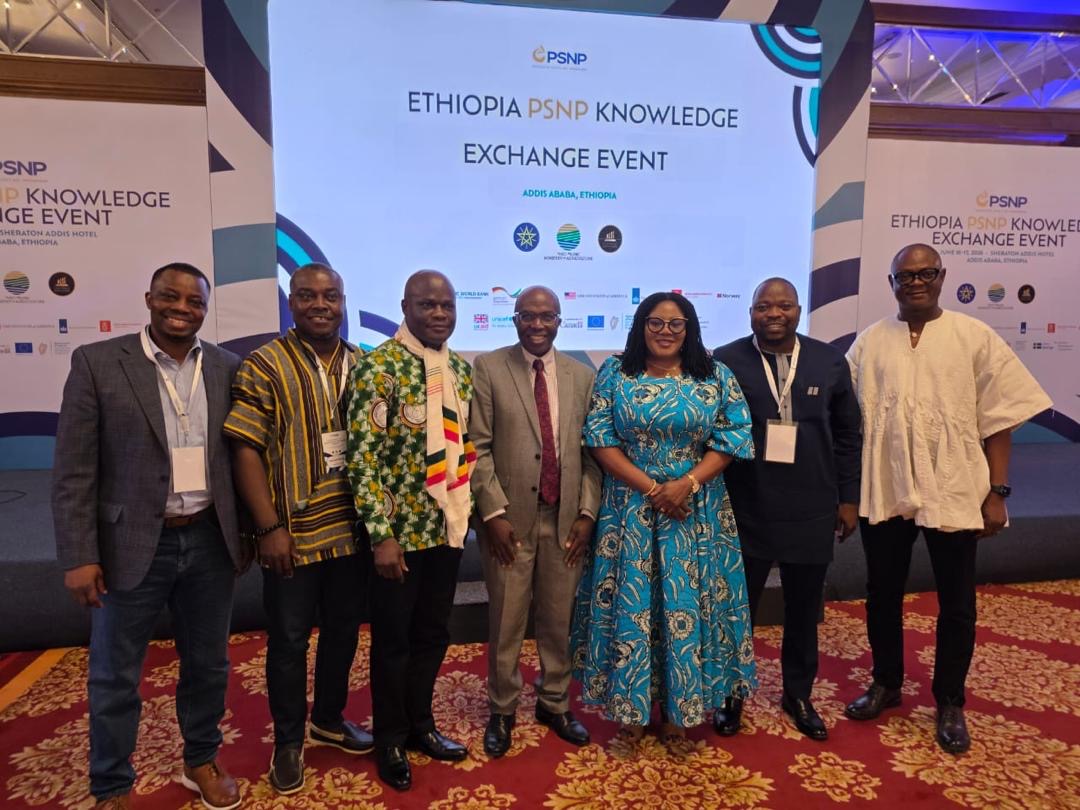
Ghana’s Social Protection Strategy Gains Insight from Ethiopia’s Successful Productive Safety Net Programme
Published: June 25, 2026
Overview
A senior Ghanaian delegation recently completed a strategic knowledge‑exchange trip to Ethiopia, focusing on the country’s celebrated Productive Safety Net Programme (PSNP). The visit, led by Minister Ahmed Ibrahim (Local Government, Chieftaincy and Religious Affairs) and Dr. Agnes Naa Momo Lartey (Gender, Children and Social Protection), aimed to harvest lessons that can accelerate Ghana’s own Ghana Productive Safety Net Project Phase Two (GPSNP‑2).
Why Ethiopia’s PSNP Matters for Ghana
Ethiopia’s PSNP is widely recognised as one of Africa’s most effective social‑protection interventions, credited with turning fragile landscapes into productive agricultural zones while providing reliable safety‑net benefits to millions of vulnerable households. For Ghana, which is scaling up its Labour‑Intensive Public Works (LIPW) and Productive Inclusion (PI) components, Ethiopia’s experience offers a concrete blueprint for long‑term livelihood empowerment, climate resilience and sustainable community assets.
Read more about the PSNP’s impact on the African continent here: World Bank – Ethiopia’s PSNP.
Key Highlights of the Ghana‑Ethiopia Knowledge Exchange
1. Field Visit to Dire Dawa
- Transformative public‑works projects: Delegates observed extensive soil‑ and water‑conservation structures, watershed rehabilitation, erosion‑control systems, and water‑harvesting facilities.
- Economic revitalisation: Formerly degraded lands now host intensive agricultural activities, boosting food security and local incomes.
“Communities in Dire Dawa have successfully converted fragile landscapes into productive economic zones through carefully planned public works interventions,” noted Minister Ibrahim.
2. Lessons on Program Design
- Beyond temporary jobs: Ethiopia’s public‑works have evolved into long‑term investments that create feeder roads, small earth dams, afforestation sites, community parks, and climate‑resilient plantations.
- Integration of livelihoods: The PSNP blends employment generation with productive inclusion, ensuring that beneficiaries gain skills, assets, and market access.
Explore best practices for public‑works design: UNDP – Public Works for Sustainable Development.
How the Insights Align with Ghana’s GPSNP‑2
| GPSNP‑2 Component | Current Impact | Ethiopian Lesson Applied |
|---|---|---|
| Productive Inclusion (PI) | 57,000+ beneficiaries trained; 30,000+ grants for income‑generating activities | Replicate integrated skill‑training and asset‑creation models to deepen market linkages. |
| Labour‑Intensive Public Works (LIPW) | 85,000+ temporary jobs; construction of roads, dams, afforestation sites | Adopt multi‑purpose infrastructure that serves both employment and climate‑adaptation goals. |
| Community Asset Creation | Feeder roads, small dams, parks | Scale up watershed rehabilitation and soil‑conservation structures modeled after Dire Dawa successes. |
For a detailed breakdown of GPSNP‑2’s objectives, visit the Ghana Ministry of Local Government portal: GPSNP‑2 Overview.
Strategic Priorities for Ghana Moving Forward
- Strengthen Government Ownership – Ensure ministries retain policy direction and budgeting authority to reduce reliance on external donors.
- Secure Long‑Term Financing – Develop sustainable fiscal mechanisms (e.g., earmarked taxes, climate funds) to guarantee program continuity.
- Enhance Institutional Capacity – Train local officials in project monitoring, data‑driven decision‑making, and community engagement.
- Promote Climate‑Resilient Design – Integrate watershed management, erosion control, and agro‑forestry into all public‑works projects.
Read about financing options for safety‑net programmes: Bill & Melinda Gates Foundation – Social Protection Finance.
Conclusion
The Ghana‑Ethiopia delegation’s exposure to Ethiopia’s PSNP underscores that social protection can be a catalyst for lasting economic transformation, not merely a short‑term relief measure. By adapting Ethiopia’s public‑works and productive‑inclusion strategies, Ghana is well‑positioned to upscale GPSNP‑2, fostering resilient communities, expanding agricultural productivity, and safeguarding vulnerable households against future climate shocks.
Stay updated on Ghana’s social‑protection reforms and upcoming policy initiatives by following the Ministry of Local Government’s news feed.
Keywords: Ghana Productive Safety Net, Ethiopia PSNP, Labour‑Intensive Public Works, Productive Inclusion, social protection Ghana, climate‑resilient public works, livelihood empowerment, GPSNP‑2.
