




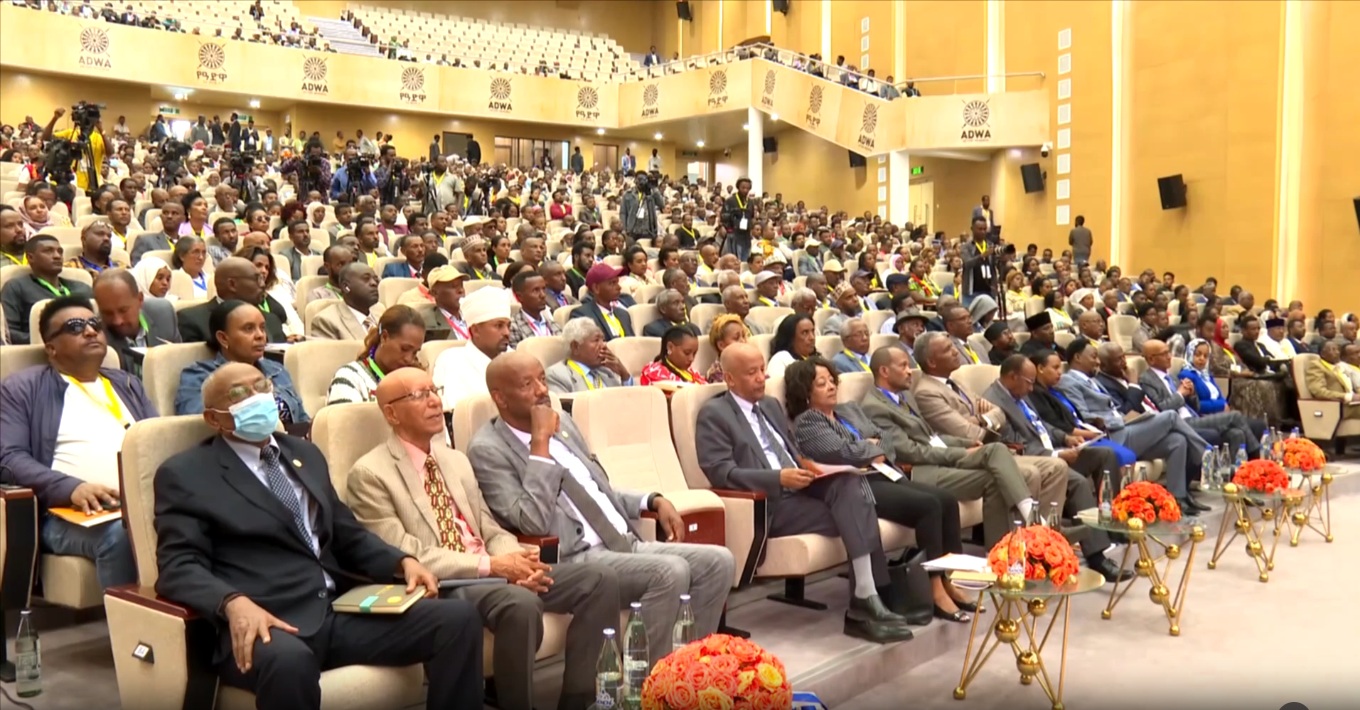
Ethiopia’s National Dialogue: A Pathway to Peace and Prosperity
Addis Ababa, March 12, 2026 — The ongoing national dialogue in Ethiopia has garnered optimism among scholars who believe it will be pivotal in achieving long-term peace and prosperity in the country. This initiative serves as a critical platform for tackling Ethiopia’s entrenched political, social, and ethnic challenges through inclusive discussions aimed at fostering national consensus.
The Need for Reconciliation
Ethiopia has recently embarked on a comprehensive reconciliation effort, marking a significant move toward addressing longstanding divisions that have plagued the nation for decades. This initiative is closely aligned with the objectives of the Ethiopian National Dialogue Commission, established by the House of People’s Representatives in 2021. The commission’s primary goal is to facilitate inclusive dialogue among various political actors, communities, and key stakeholders.
Aiming for Unity and Stability
The dialogue process is designed to identify the root causes of conflicts that threaten Ethiopia’s unity and stability. According to experts, addressing these issues is essential for creating a cohesive national narrative.
Manaye Zegeye, a lecturer at Addis Ababa Science and Technology University, emphasizes the importance of this dialogue in confronting complex challenges that have persisted throughout Ethiopia’s history. He highlights the inevitability of differing opinions in any society, but insists that these differences must be managed peacefully and constructively.
Framework for Constructive Conversations
Establishing a robust consultative framework that encourages open discussions is vital for nation-building. Manaye believes that such a framework will pave the way for lasting consensus and transform conflicts into opportunities for collaboration, ensuring enduring unity and peace.
Ensuring Broad Participation
Reports indicate that preliminary consultations have already taken place across various regions, engaging citizens, civil society organizations, religious leaders, elders, and political factions. These discussions aim to reflect the voices of diverse communities and restore trust among groups affected by previous tensions.
Scholars and policy experts stress that broad participation and transparency are essential components for enhancing the credibility and effectiveness of the reconciliation process.
Addressing Historical Grievances
Gemechis Mersha, an economics lecturer at Adama Science and Technology University, points out that the national dialogue also serves as a platform for addressing historical grievances and promoting justice. He asserts that recognizing past conflicts is crucial for building a shared vision for Ethiopia’s future.
Drawing lessons from other African nations that successfully resolved national challenges through dialogue, Gemechis expresses hope that Ethiopia’s consultation initiative will foster broad national consensus. He emphasizes that this process empowers citizens to actively shape their nation’s future rather than leaving pivotal decisions in the hands of a select elite.
Uncovering Challenges and Building a Shared Narrative
According to Gemechis, the national dialogue aims to illuminate deep-rooted political and social issues while contributing to the development of a unified national narrative. Achieving this ambitious goal requires constructive discussions focused on future generations.
He reinforces that dialogue should not be perceived as a sign of weakness but as an essential national asset. The mutual understanding cultivated through such discussions is vital for reinforcing internal unity, ensuring lasting peace, and supporting sustainable development.
Conclusion
Ethiopia’s national dialogue, with its emphasis on inclusivity and transparency, stands as a beacon of hope. By addressing historical grievances and fostering constructive conversations, the initiative has the potential to guide the nation toward stability and prosperity. Achieving lasting peace requires collective effort, and the commitment to ongoing dialogue could well define Ethiopia’s path forward.
For further reading on the importance of national dialogue in peacebuilding, explore this article, which delves into historical case studies from around the world.
External Resources
- For insights on the role of national dialogue in governance, visit International IDEA.
- Learn more about conflict resolution in African nations at African Union.
- Explore the significance of citizen engagement in politics at Participatory Governance.
