




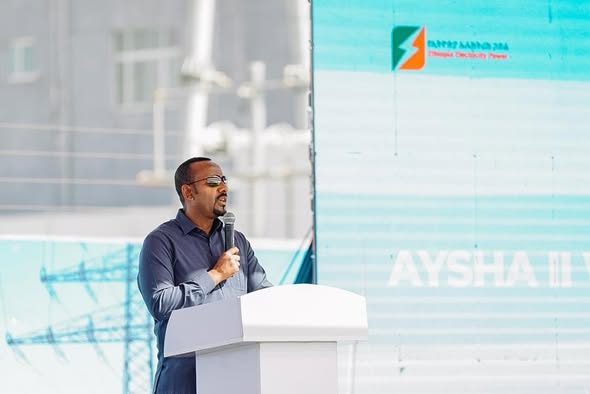
Ethiopia’s Bold Steps Toward Renewable Energy: The Launch of the Aysha II Wind Power Project
Addis Ababa, January 31, 2026 — Ethiopia is making notable strides in its energy sector by emphasizing regional integration and cross-border connectivity. At the inauguration of the Aysha II Wind Power Project, Prime Minister Abiy Ahmed affirmed that the nation’s clean energy ambitions are closely tied to cooperative efforts with neighboring countries.
The Aysha II Wind Power Project: A Milestone in Renewable Energy
The Aysha II project boasts an impressive installed capacity of 120 megawatts, with the first phase contributing 80 megawatts already linked to the national grid. This venture marks a significant leap forward in Ethiopia’s renewable energy landscape. The ceremony was attended by leaders, including Djibouti’s President Ismail Omar Guelleh and Somalia’s President Hassan Sheikh Mohamud, highlighting the collaborative spirit of this initiative.
A Defining Moment for National Development
During the inauguration, Prime Minister Abiy declared that Ethiopia stands at a pivotal juncture where national growth aligns harmoniously with advancements in its energy infrastructure. He stated, “By expanding our renewable energy sources, we are lighting up every corner of the country—not just its streets but also the hopes and prosperity of our people.” This quote underscores the direct impact of clean energy on national development and community empowerment.
Emphasizing Self-Reliance Through Local Resources
The Prime Minister emphasized that the Aysha II project exemplifies Ethiopia’s commitment to self-reliance via collective initiative and effective use of local resources. He labeled clean energy as central to the nation’s long-term economic transformation. For more information on Ethiopia’s energy initiatives, click here.
Alignment with Global Trends
Prime Minister Abiy noted that Ethiopia’s clean energy vision is not only beneficial for the country but also aligns with global climate priorities. He stressed the importance of ongoing investment in energy infrastructure, asserting that it serves as the backbone of sustainable economic growth. Furthermore, he highlighted the achievements of the Grand Ethiopian Renaissance Dam (GERD), a flagship project constructed entirely using domestic resources.
Regional Cooperation for Shared Development
Ethiopia’s renewable energy vision extends beyond its borders, aimed at strengthening relationships with neighboring nations. The Prime Minister highlighted active collaboration with Djibouti on energy, infrastructure, and water management, as well as efforts to enhance connectivity with Somalia and South Sudan. The inauguration of the Aysha II wind farm represents a crucial step in reinforcing regional cooperation and shared development goals.
Hosting COP-32: Showcasing Africa’s Energy Ambitions
Ethiopia’s advancements in clean energy catalyzed its selection as the host for the upcoming COP-32 Summit. Prime Minister Abiy remarked that the country is ready to showcase Africa’s ambitions and solutions on the global stage, particularly in climate change discussions. For more on the event, visit the official COP-32 website.
The Future of East Africa’s Energy Sector
In closing, Prime Minister Abiy highlighted the immense potential of East Africa, emphasizing that coordinated regional efforts could secure reliable energy futures for individual countries. He made a compelling case for how such collaboration could yield considerable economic and environmental benefits across the region.
As Ethiopia continues to push the boundaries of renewable energy development, efforts like the Aysha II Wind Power Project will undoubtedly play a pivotal role in shaping a sustainable energy future for East Africa. For further details on Ethiopia’s energy policies, continue reading here.
