




Egypt’s Military Presence in Somalia: A New Era of Regional Dynamics
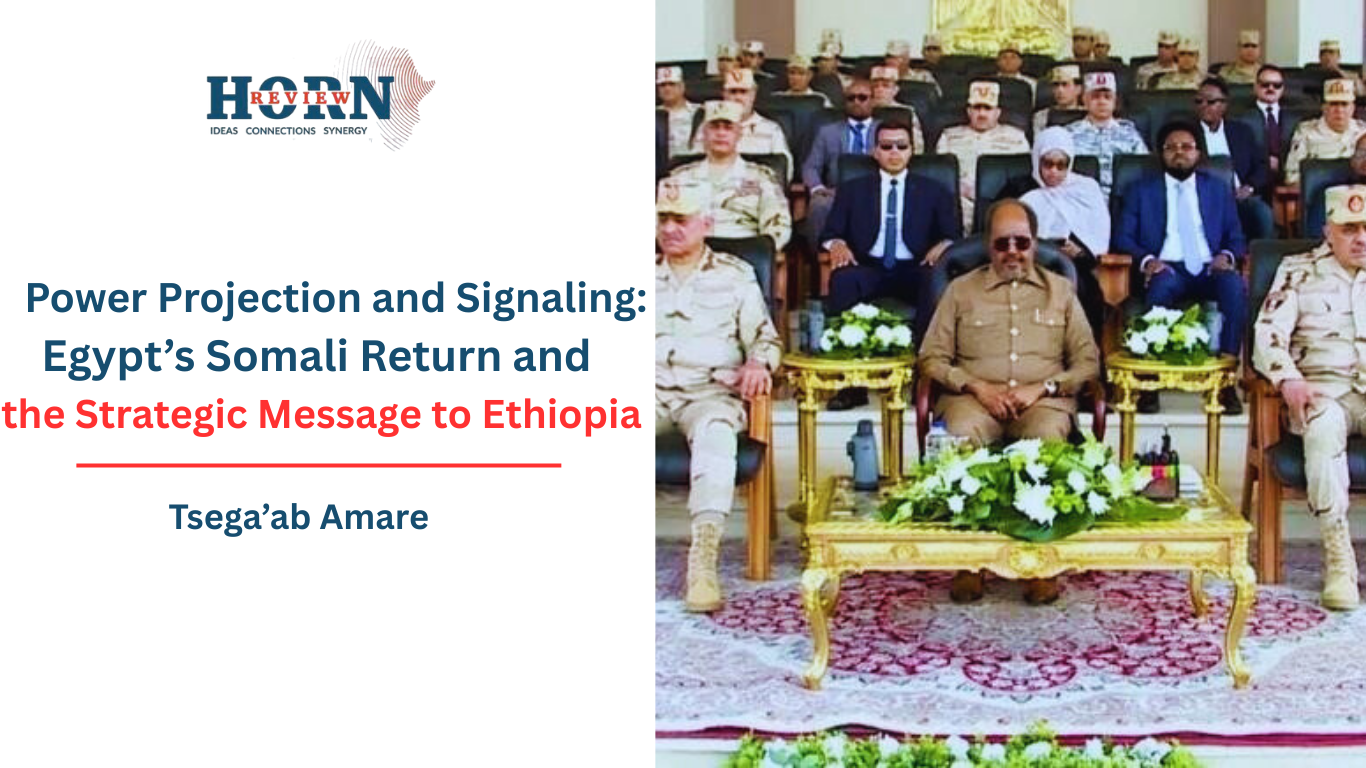
The military parade held in Cairo on February 8, 2026, marked a significant moment for Egypt and Somalia, especially under the leadership of Somali President Hassan Sheikh Mohamud. This event was not merely a ceremonial occasion but a deliberate show of Egypt’s military capabilities aimed at illustrating its power in the region. The presence of mechanized troops and advanced air assets during the parade symbolized Egypt’s renewed interest in its historical ties with Somalia, representing a critical shift in the evolving security architecture of the Horn of Africa.
Historical Context: Egypt’s Role in Somalia
To understand Egypt’s current military posture, one must look back at its engagement in the 1970s, where Egypt extended substantial military support to the Siad Barre government in Somalia amidst the Ethiopian-Somali conflict. This historical backdrop is essential, as Egypt’s motivation is tied to its strategic interests in Nile hydro-politics. A weaker Ethiopia would struggle to consolidate its influence over the Blue Nile, especially if embroiled in conflicts on its eastern front.
Revival of Strategic Partnerships
The recent military parade can be interpreted as an echo of past strategies. Egypt is revitalizing defense ties that had lain dormant for nearly four decades, signaling its aim to reclaim influence within the Horn of Africa. This is particularly crucial given ongoing tensions with Ethiopia regarding the Grand Ethiopian Renaissance Dam (GERD).
Egypt’s Military Contribution to Somalia
Egypt’s military involvement is formalized through the African Union Support and Stabilization Mission in Somalia (AUSSOM). Reports indicate that Egypt has committed roughly 10,000 personnel to this mission, divided between contributions to the AU mission and operations under a bilateral defense agreement with Somalia established in August 2024.
Operational Flexibility
This dual-track approach provides Egypt with a layered command structure. While part of the forces operate under a multilateral mandate, the remaining contingent works under bilateral terms, granting Egypt operational versatility that transcends AU command limitations. This arrangement enhances Cairo’s ability to navigate its national security priorities while contributing to stabilization efforts in Somalia.
Military Assets: Enhancing Counter-Insurgency Capabilities
The military assets deployed, including AT-802U light attack aircraft, Mi-24 helicopters, and Mi-17 transport helicopters, are designed for effective counter-insurgency operations against groups like Al-Shabaab. These platforms not only support essential stabilization tasks but also enhance situational awareness and operational reach across border-adjacent regions, broadening Egypt’s influence in the security landscape.
Political Balancing in Eastern Africa
President Hassan Sheikh Mohamud’s participation in the Cairo parade reflects a complex balancing act in Somali politics. Following the controversial Ethiopia–Somaliland memorandum of January 2024, Panama seeks partnerships that enhance its Federal Government’s standing. However, this does not signify a rigid alignment; President Mohamud has also engaged in diplomacy with Ethiopia, showcasing a multifaceted approach to external relations.
Regional Responses and Internal Concerns
Internally, regions like Puntland and Jubaland express skepticism regarding the presence of Egyptian forces, fearing that a bolstered Federal Government could upset local political balances. Additionally, Egypt’s Abdel Fattah el-Sisi has articulated a doctrine asserting that security in the Red Sea and Gulf of Aden should remain the responsibility of coastal states, indirectly challenging Ethiopia’s aspirations.
The Spotlight on Ethiopia’s Response
Despite Egypt’s growing military footprint in Somalia, Ethiopian officials have maintained a measured posture. They express vigilance regarding the developments but refrain from framing them as a prelude to military confrontation. Ethiopia’s strategic focus leans toward fostering diplomatic solutions rather than immediate militarization.
Long-term Strategic Management
The overarching challenge for Ethiopia is strategic management, not an immediate confrontation. Engaging with Mogadishu through diplomatic channels while carefully monitoring the dynamics within AUSSOM is crucial. Egypt’s military operations in Somalia represent a transformative shift in regional stability and power relationships, making the Horn increasingly significant in Nile politics.
Conclusion: Shaping Future Security Landscapes
The unfolding military presence of Egypt in Somalia signals a pivotal change in the Horn of Africa’s geopolitical landscape. The implications extend far beyond conventional military engagements as the region becomes a focal point of Nile-related strategies. Moving forward, the emphasis must remain on diplomacy and cooperative security frameworks to navigate complexities, ensuring regional stability amidst evolving military dynamics.
For more insights on Middle Eastern geopolitics, please visit The National News and Yahoo News.
This article provides a detailed examination of Egypt’s military involvement in Somalia, touching on historical precedents, current military maneuvers, and regional implications—all framed within the broader context of Horn of Africa geopolitics.
