




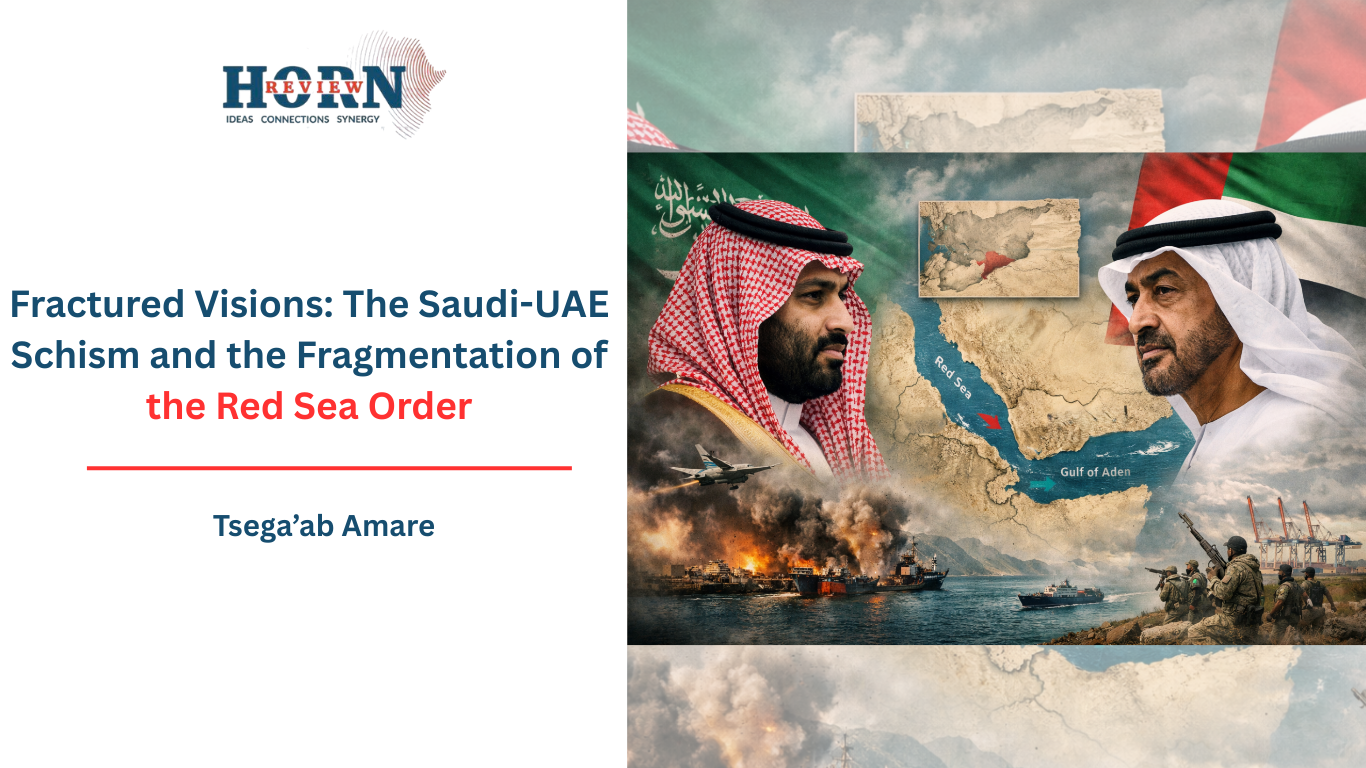
The Evolving Saudi-UAE Rivalry: Implications for the Red Sea Region
Introduction
As we step into 2026, the long-standing alliance between Saudi Arabia and the UAE, once a pillar of stability for the Red Sea corridor, has entered a multifaceted decline. This shift from cooperation to open confrontational rivalry signals not only changes in oil diplomacy but also a broader struggle for regional dominance.
The Breaking Point: December 30, 2025
A significant turning point occurred on December 30, 2025, when Saudi airstrikes targeted a UAE-linked weapons shipment in Mukalla, Yemen. This aggressive act marked a shift from strategic disagreements to outright kinetic intervention between erstwhile allies. CNN reports that this confrontation stems from deep-rooted disagreements regarding state sovereignty and local fragmentation strategies in the region.
Sovereignty vs. Fragmentation
At the heart of the Saudi-UAE tensions lies a fundamental conflict over the future of state governance. Saudi Arabia is increasingly alarmed by the UAE’s attempts to engage with sub-state actors in regions such as the Horn of Africa and Syria, where it perceives an emerging threat from secessionist movements. The UAE’s purported alignment with Druze leaders in southern Syria only serves to heighten fears in Riyadh about a destabilizing maritime empire that prioritizes non-state actors over traditional governance structures.
The Saudi Perspective on Secessionist Strategies
The concept of the Axis of Secessionists has emerged within Saudi security circles, reflecting concerns about the UAE’s support for figures and organizations pushing for independence, such as the Southern Transitional Council in Yemen and the Rapid Support Forces in Sudan. For Riyadh, the normalization of secession threatens not just its borders but the integrity of national governance throughout the Middle East.
Wider Implications for the Horn of Africa
The gulf in relations between the two nations is also being felt across the Red Sea, where competition for geopolitical influence has intensified. On December 26, 2025, the recognition of Somaliland by Israel, allegedly facilitated by the UAE, has led to renewed tensions. Saudi Arabia advocates for a unified Somalia while the UAE invests heavily in Somaliland, further indicating that the Horn has become a battleground for contrasting geopolitical models.
Investment and Engagement Strategies
With the UAE investing approximately $440 million in the Berbera Port, its direct interventions signal a preference for autonomous entities that align with its interests. This shift is mirrored in the UAE’s visa policies, favoring Somaliland passports while effectively barring Somali passport holders, suggesting deeper alignment with Somaliland’s government.
Disinformation and Intelligence Failures
The crisis is further complicated by misinformation and intelligence lapses. CNN indicates that claims regarding Saudi Crown Prince lobbying for U.S. sanctions against the UAE may have accelerated recent escalations. Despite Riyadh’s reassurances, the breach of trust has led the UAE to mobilize proxies in eastern Yemen, notably in Hadramawt and al-Mahra, as a form of tactical retaliation.
Opportunities Amidst the Rivalry
For nations in the Horn of Africa, this Gulf rivalry presents both risks and potential openings. There exists a concern for a “Sudanization” of conflicts, where local factions leverage external divides for resources. Conversely, the emergence of a counter-alignment involving Saudi Arabia, Turkey, and Egypt may offer these nations alternative partnerships that emphasize state stability and territorial integrity.
Strategic Recommendations
To navigate this complex landscape, Horn states should focus on consolidating collective bargaining power through regional frameworks like the African Union (AU) and IGAD. Establishing a Regional Technical Committee on border governance and pursuing multilateral agreements on ports could mitigate the impacts of Gulf rivalries.
Conclusion: A Fragile Future
As the landscape of the Red Sea region evolves, the future hinges on whether Riyadh and Abu Dhabi can manage their rivalry through collaborative diplomacy or whether divisive tactics will exacerbate fragmentation. The potential for a prolonged cycle of instability looms large, threatening to undermine regional governance and national sovereignty in the Horn of Africa and beyond.
Focus Keyword: Saudi-UAE Rivalry
For further reading on related topics, visit Middle East Eye and Deutsche Welle.
